
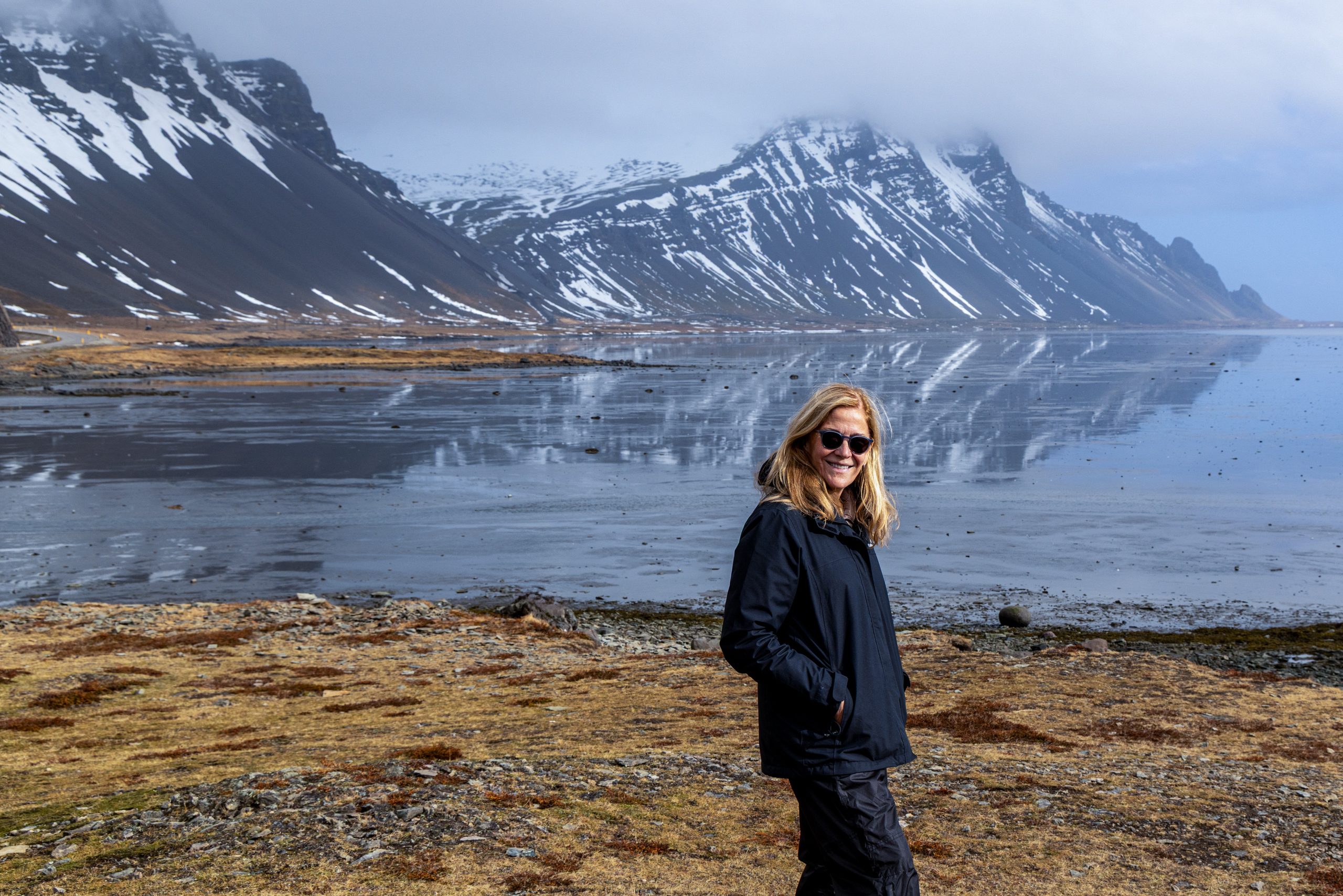
Vik to Hofn Road Trip: Icebergs, Glaciers & Epic Landscapes
Where Fire, Ice and Wind Collide
If Day Three introduced us to Iceland, Day Four left us speechless.
The drive from Vík to Höfn is often described as one of the most beautiful stretches of the Ring Road, and after experiencing it for ourselves, it’s hard to disagree.
The scenery constantly reinvented itself.
Towering moss-covered lava fields gave way to vast glacial plains. Quiet rivers carved through deep canyons before disappearing beneath Europe’s largest glacier. Black volcanic deserts suddenly transformed into shimmering lagoons filled with floating blue icebergs.
Every hour seemed to reveal an entirely different Iceland.
It was also the day we began to understand why Icelanders have such enormous respect for the weather.
The forecast warned of strengthening coastal winds later in the afternoon.
We had no idea just how seriously we should take those warnings.
Fjaðrárgljúfur – A Canyon Carved by Time
Our first stop was one we’d eagerly anticipated.
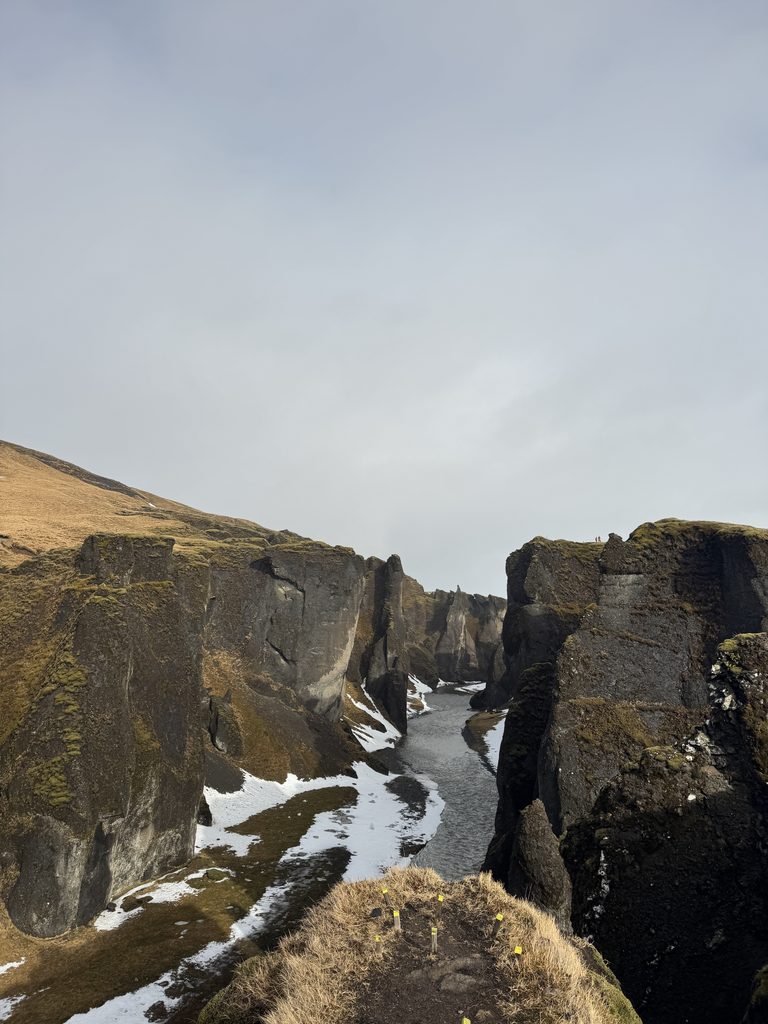
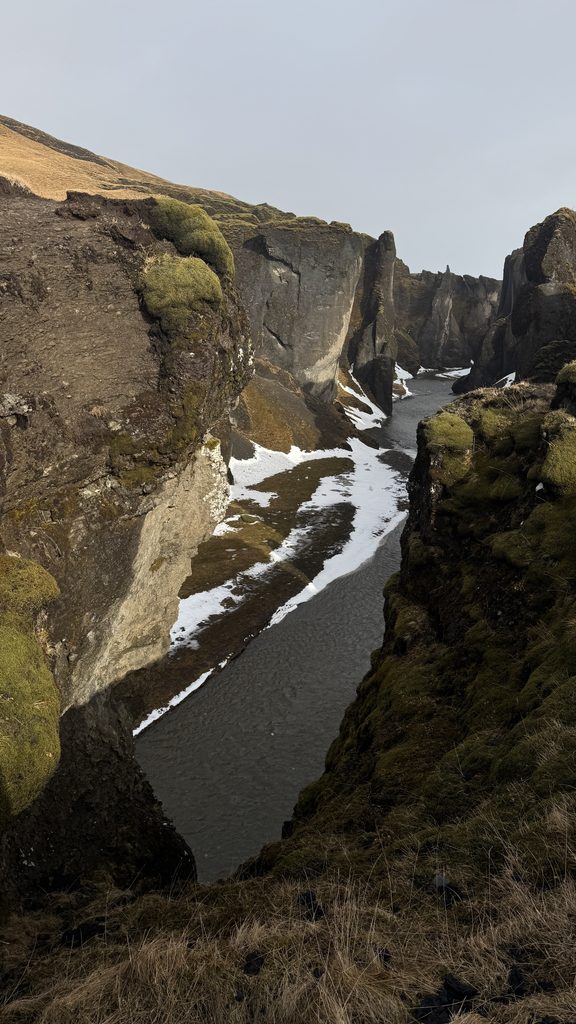
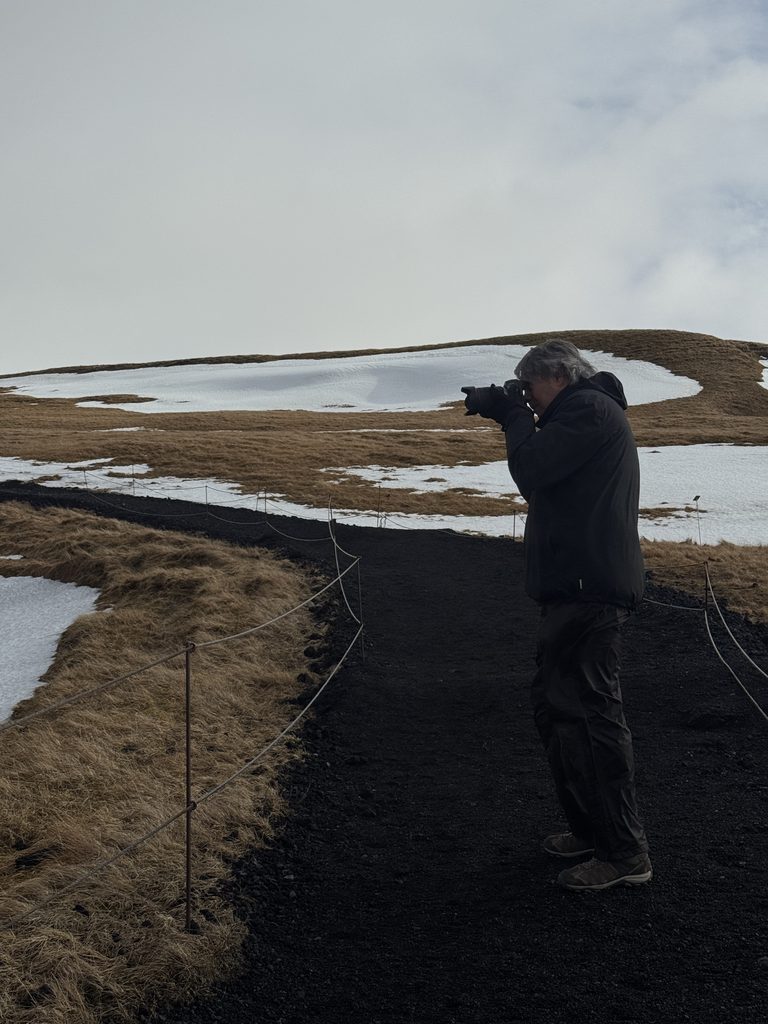
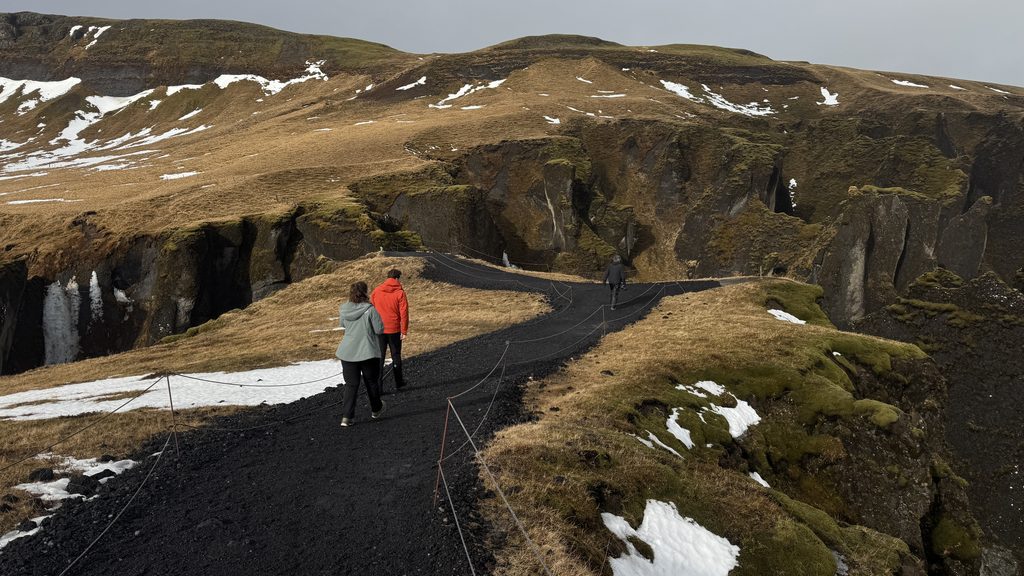
Fjaðrárgljúfur Canyon isn’t visible from the Ring Road itself. After a short detour and an easy walk, the landscape suddenly opened before us.
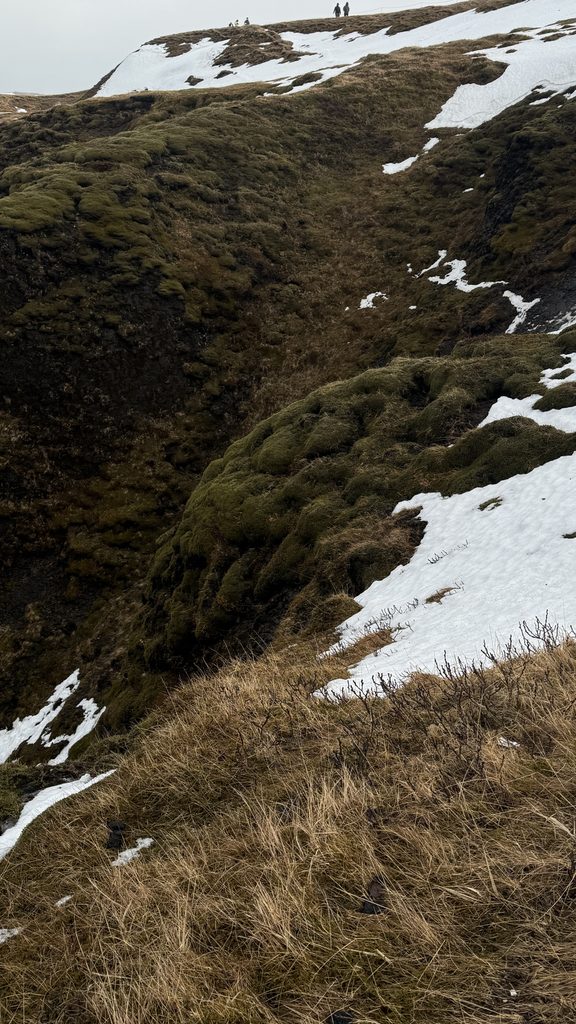
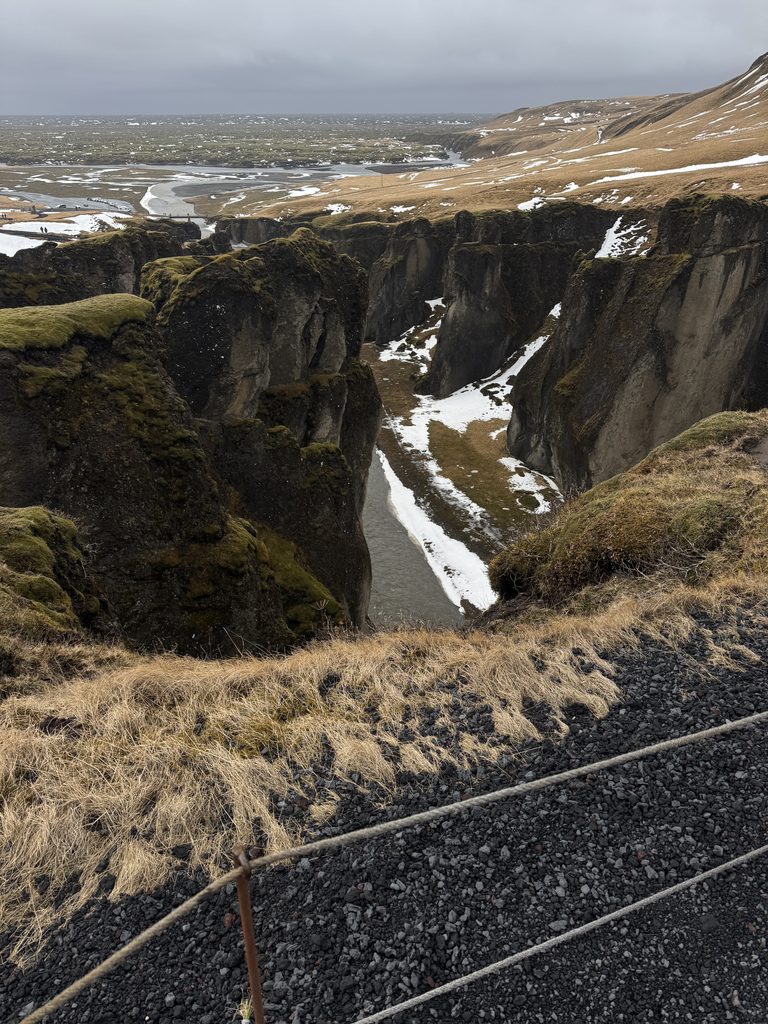
The canyon stretched away like a giant green ribbon, its steep moss-covered cliffs dropping almost one hundred metres to the winding river below.
It’s difficult to appreciate the scale until you’re standing on the viewing platform.
The river seems tiny.
The cliffs seem endless.
The silence is almost complete.
A well-maintained walking path follows the canyon rim, revealing one breathtaking viewpoint after another.
We found ourselves stopping every few metres.
“Surely it can’t get any better than this.”
Then we’d round another corner.
It did.
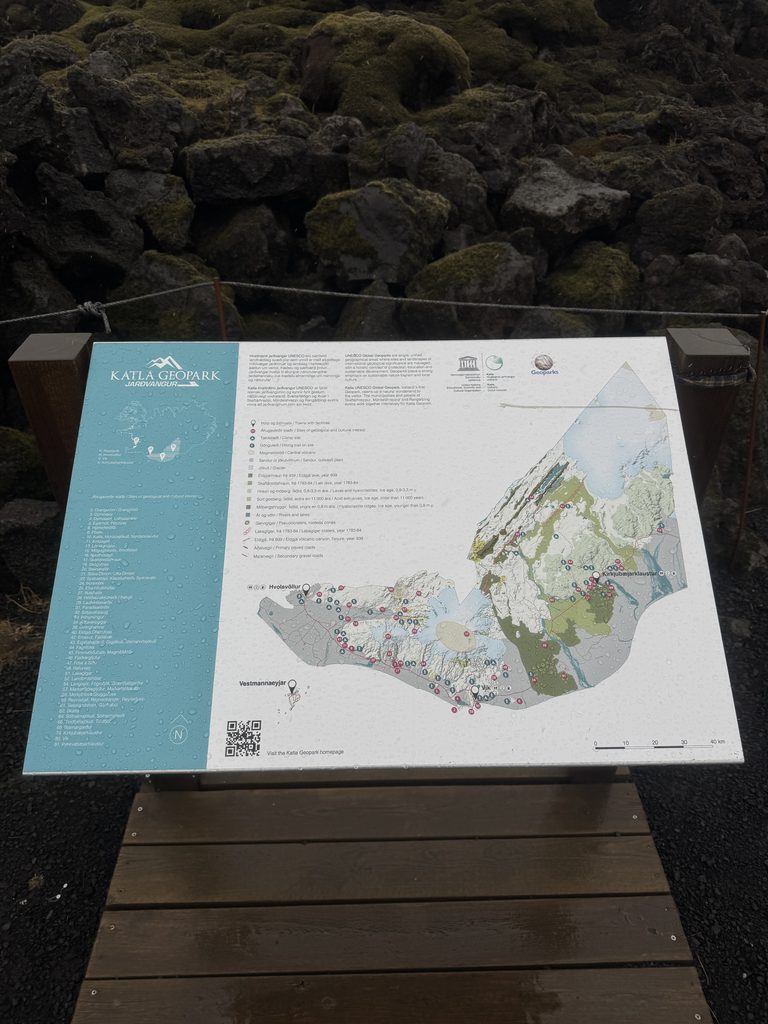
This extraordinary landscape forms part of the Katla UNESCO Global Geopark, where volcanic eruptions, glaciers and rivers have been reshaping southern Iceland for thousands of years.
Nature has had plenty of time to perfect the view.
Eldhraun – Walking Across an Ancient Lava Sea
Leaving the canyon behind, the scenery changed once again.
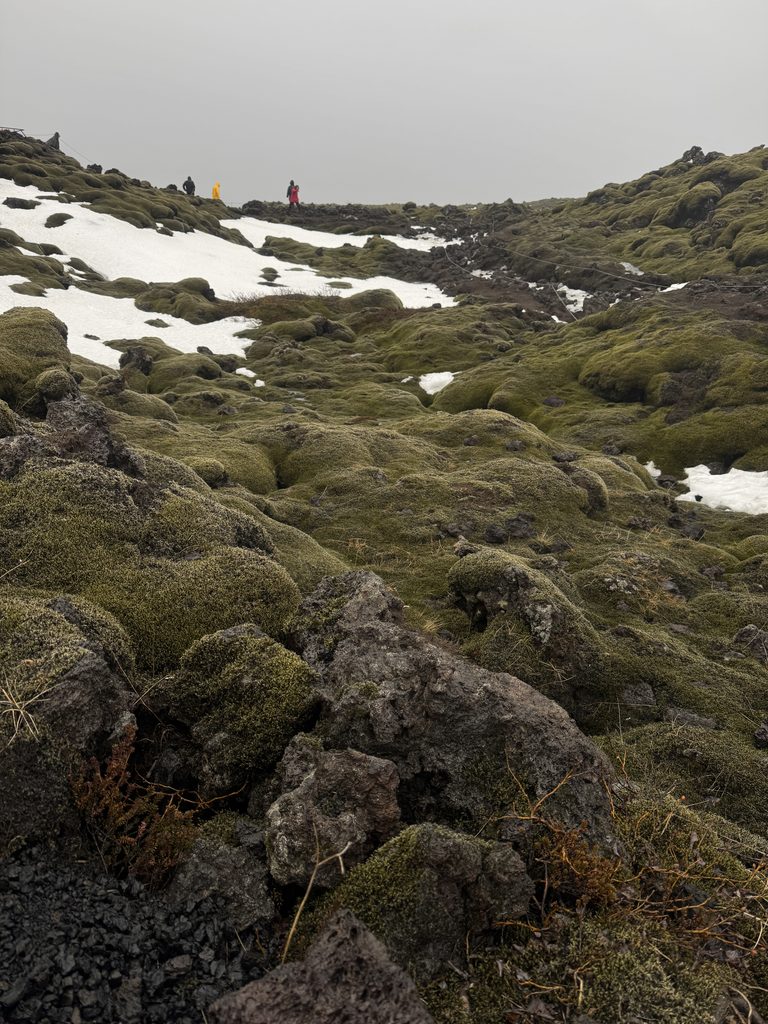
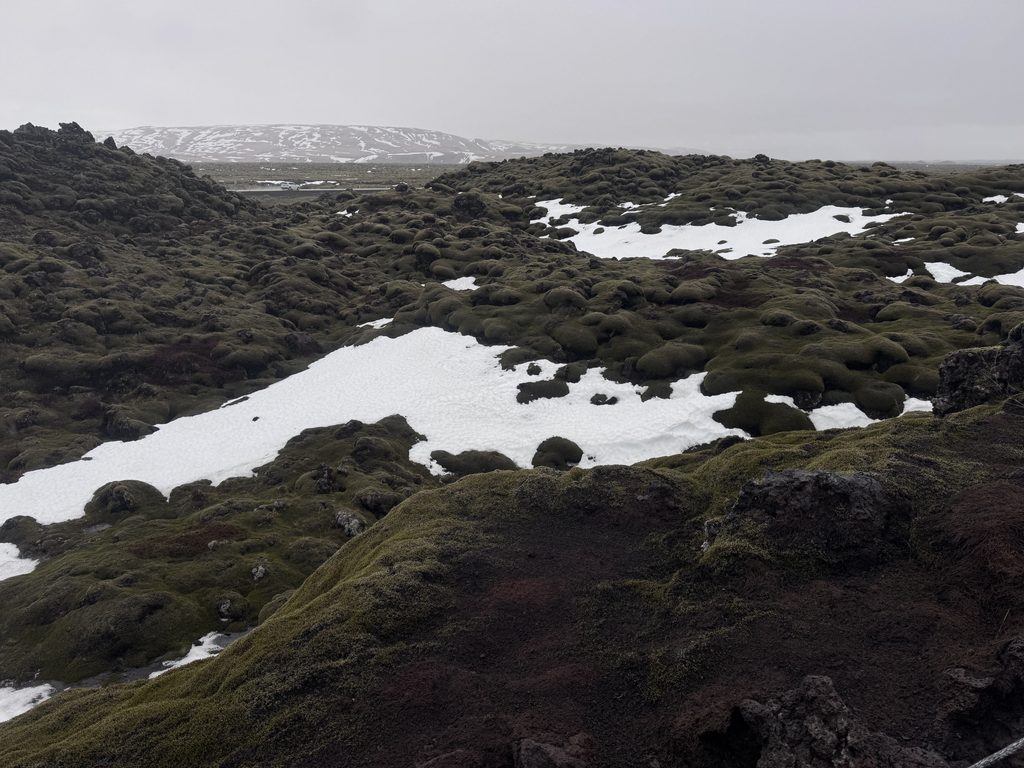
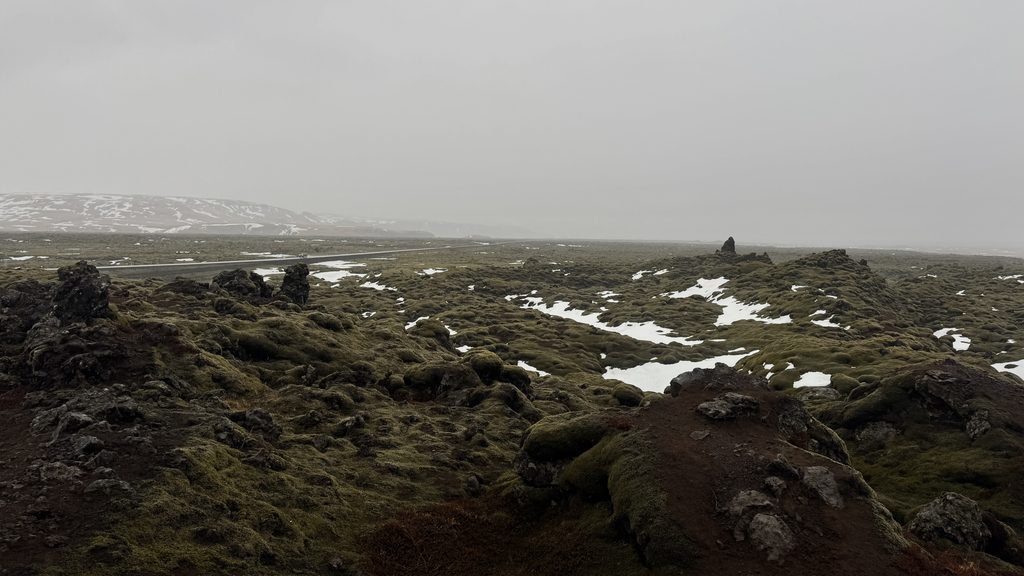
The road passed through Eldhraun, one of the largest lava fields on Earth.
At first glance it almost looked soft.
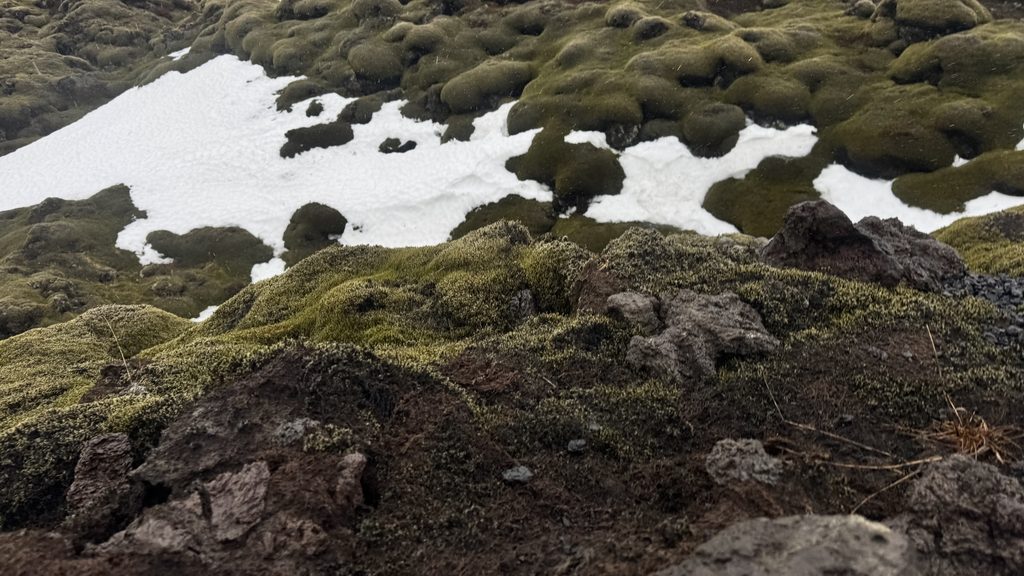
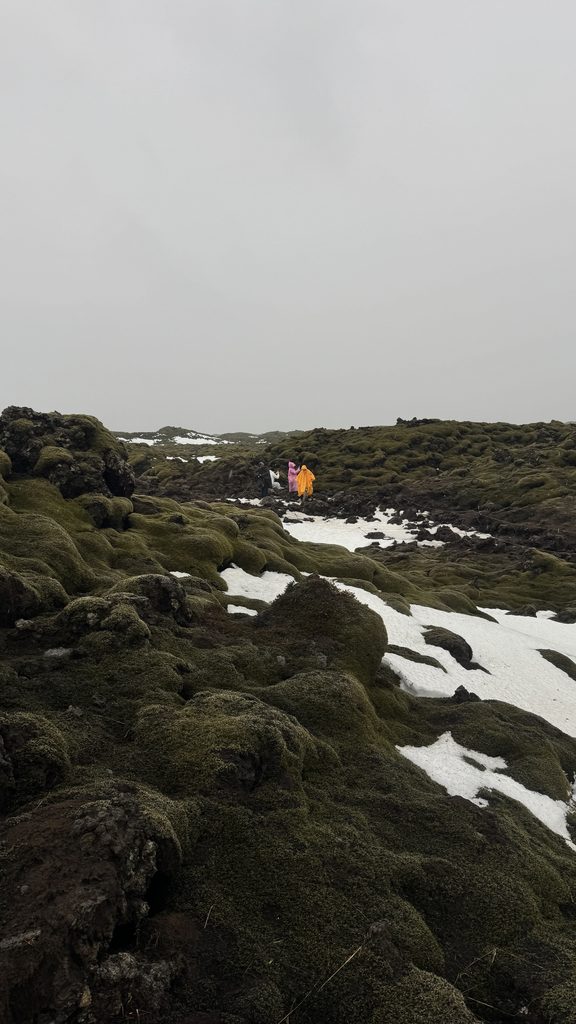
Rolling green mounds stretched to the horizon, covered in thick moss that resembled giant cushions.
Only when we stopped did we realise what lay beneath.
Every mound was solid lava.
The landscape was created by one of the largest volcanic eruptions in recorded history, yet centuries later it has become strangely peaceful.
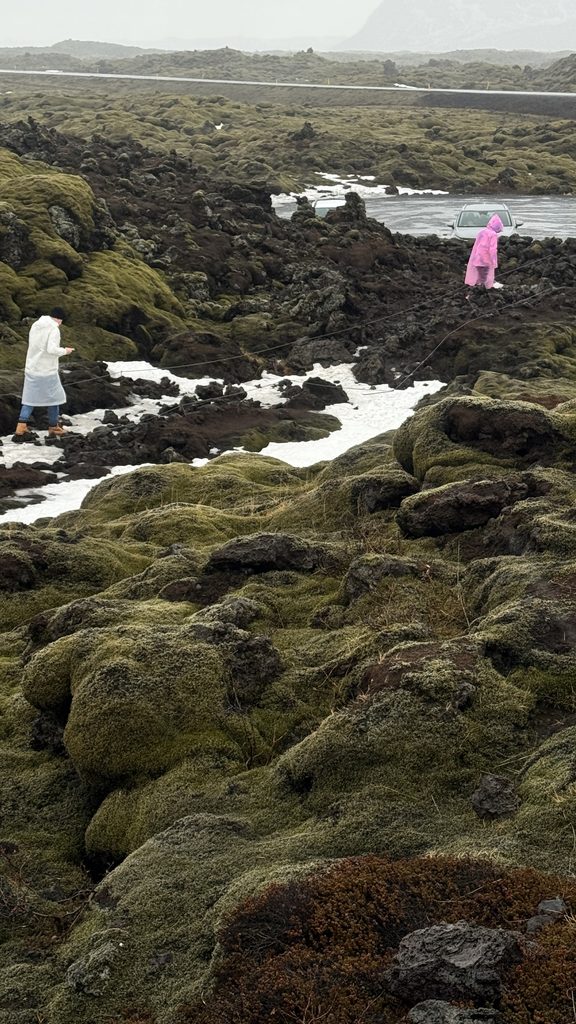
The moss covering the lava is incredibly fragile.
A single footprint can remain visible for decades.
Walking paths have been carefully constructed, and visitors are repeatedly asked to stay on them.
It’s one of the few places where doing nothing—simply standing quietly and looking—is the best way to appreciate it.
Our imaginations wandered.
No wonder NASA once used this region to help prepare astronauts for lunar exploration.
Standing there, it genuinely felt as though we’d left Earth behind.
Vatnajökull National Park – Ice on a Continental Scale
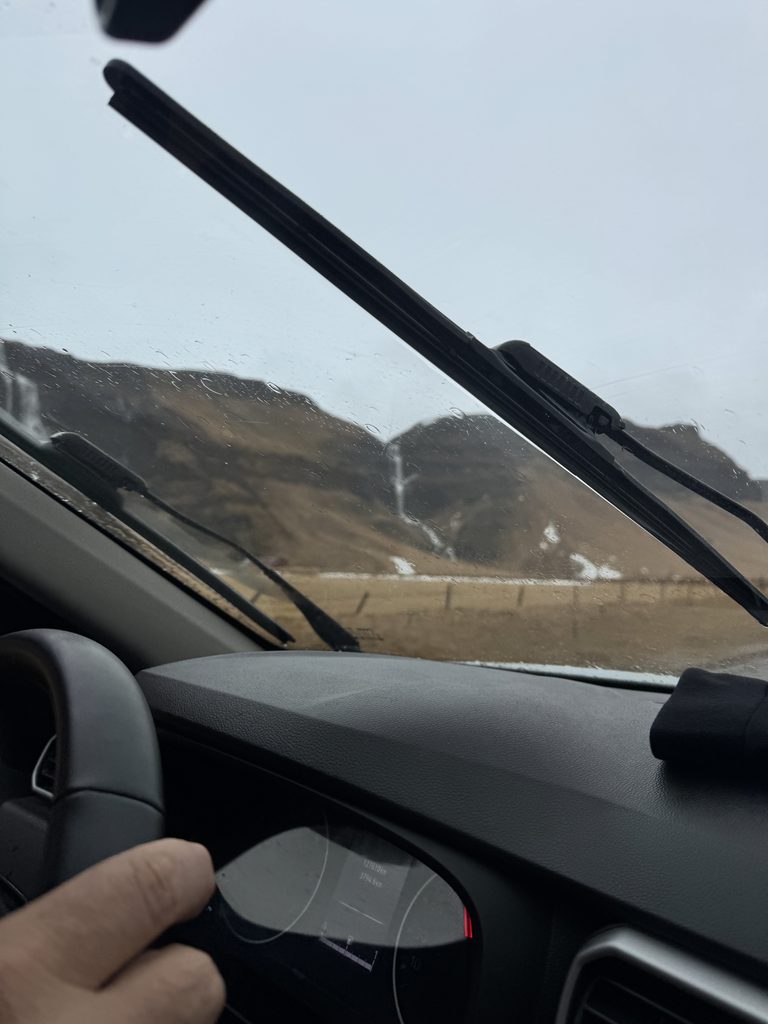
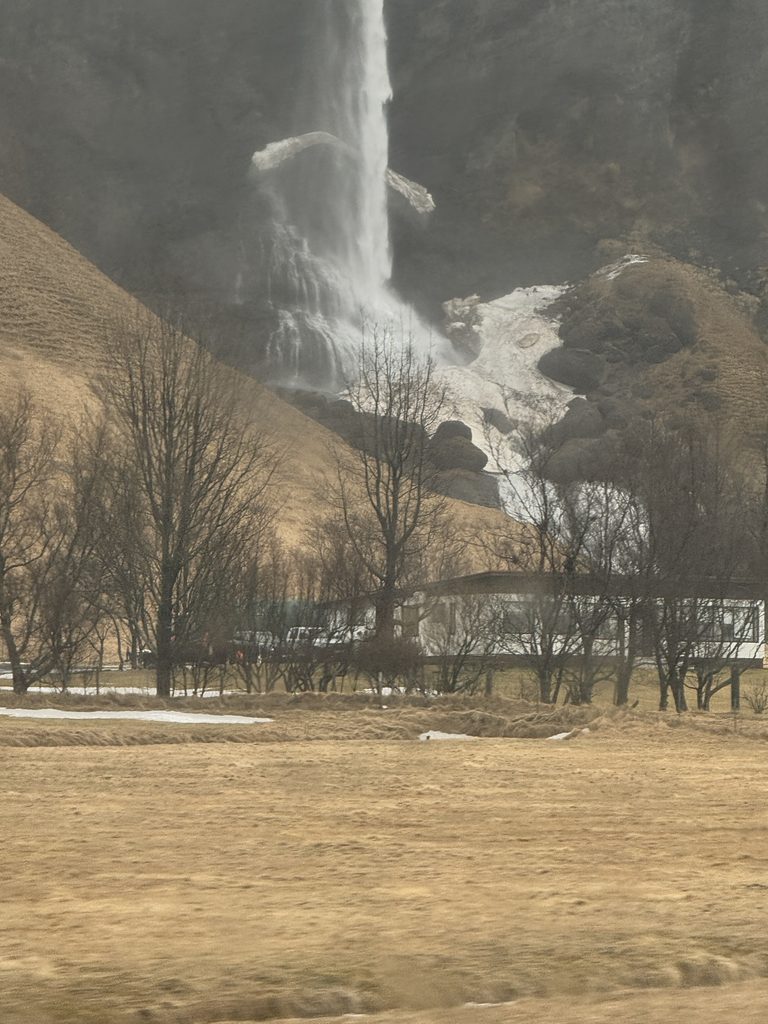
As we continued east, glaciers began appearing with increasing frequency.
Not small patches of snow clinging to mountain peaks.
Entire rivers of ice flowing down valleys.
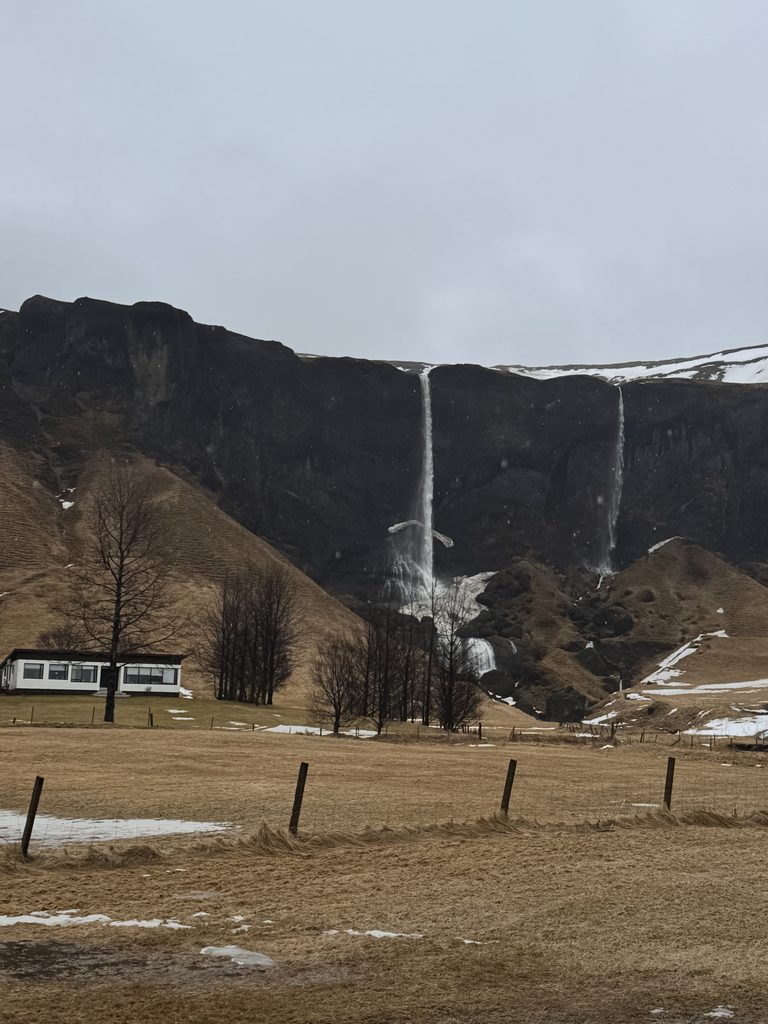
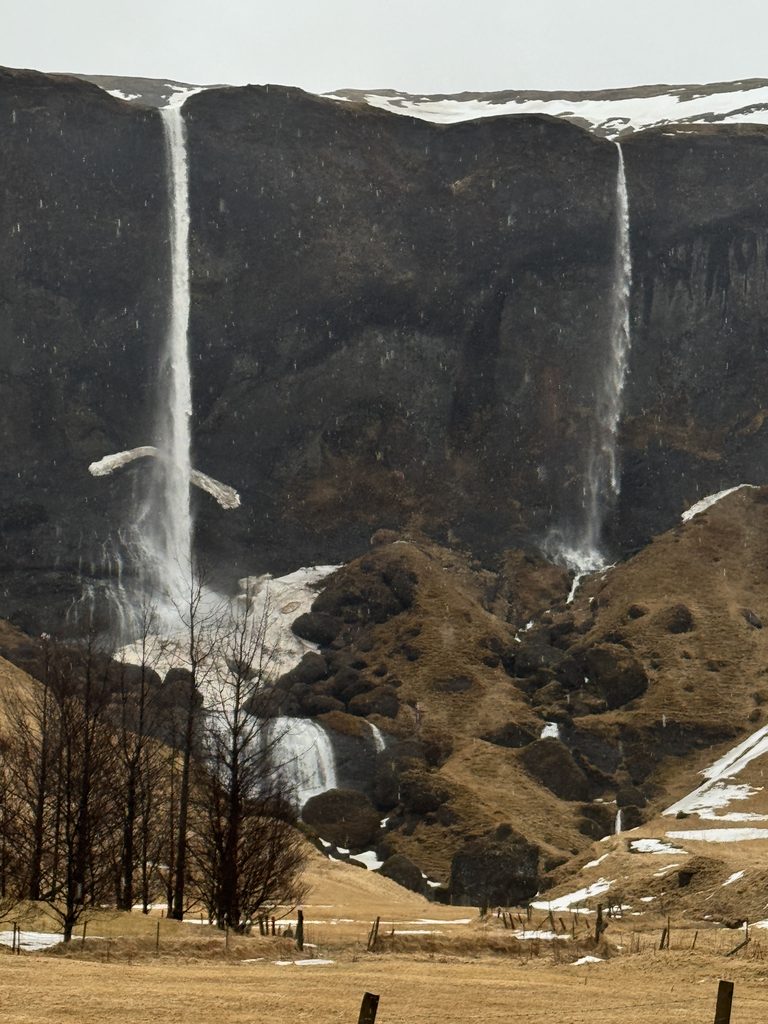
On the road to Jökulsárlón
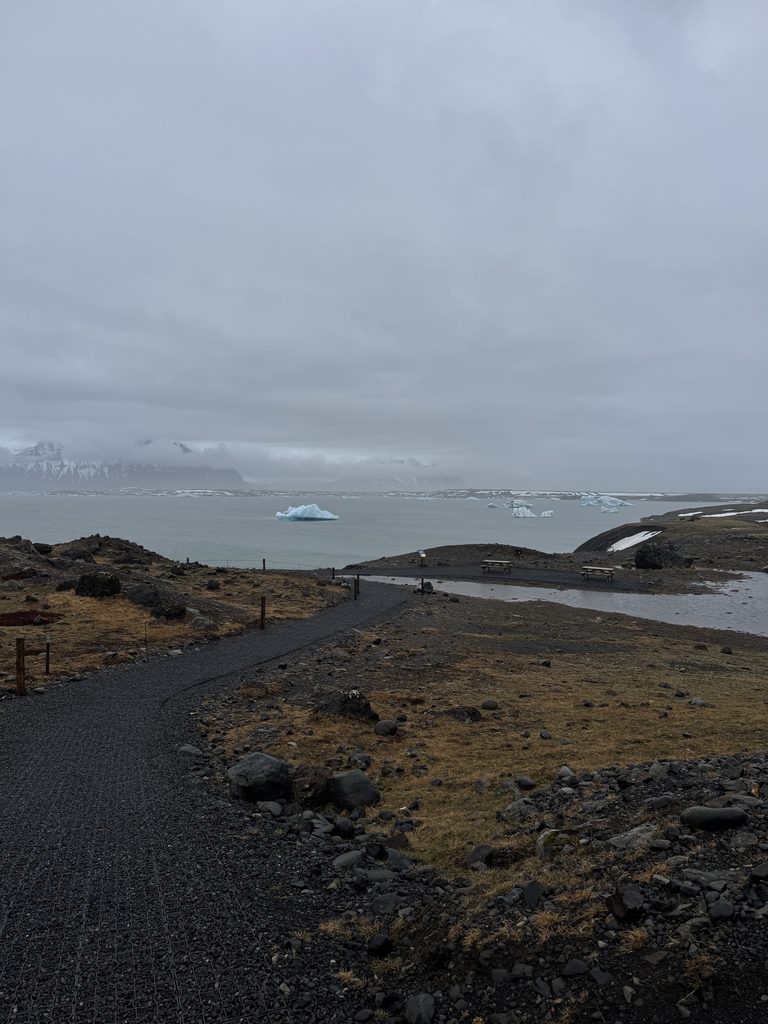
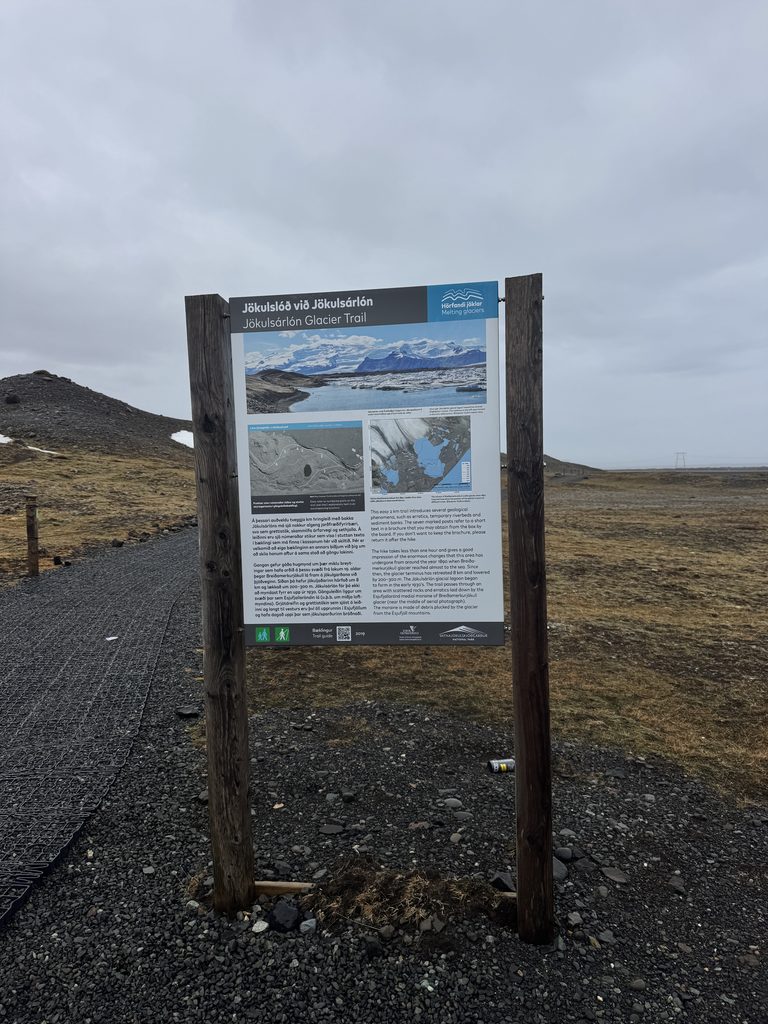
Jökulsárlón
Then came one of Iceland’s most iconic sights.
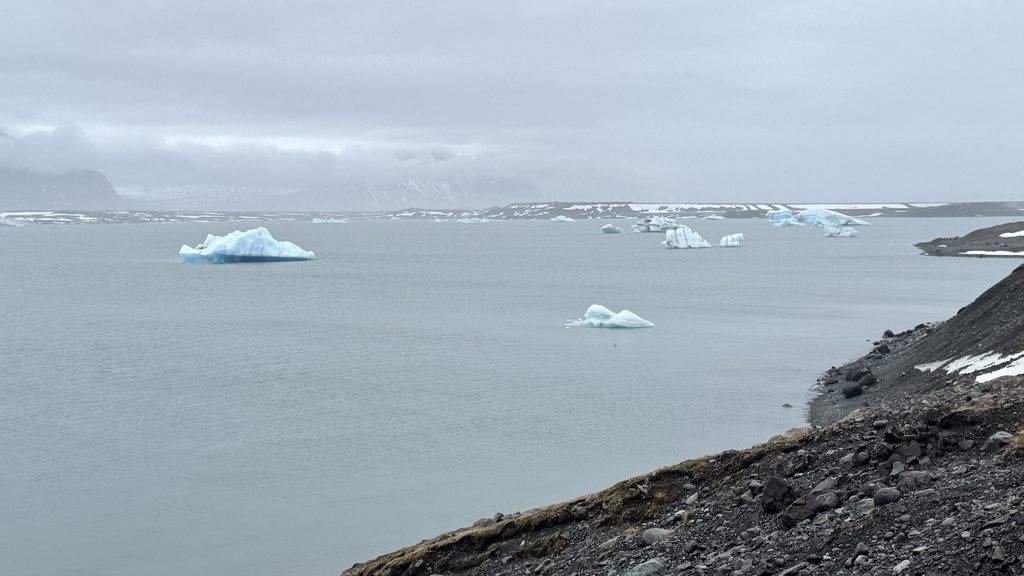
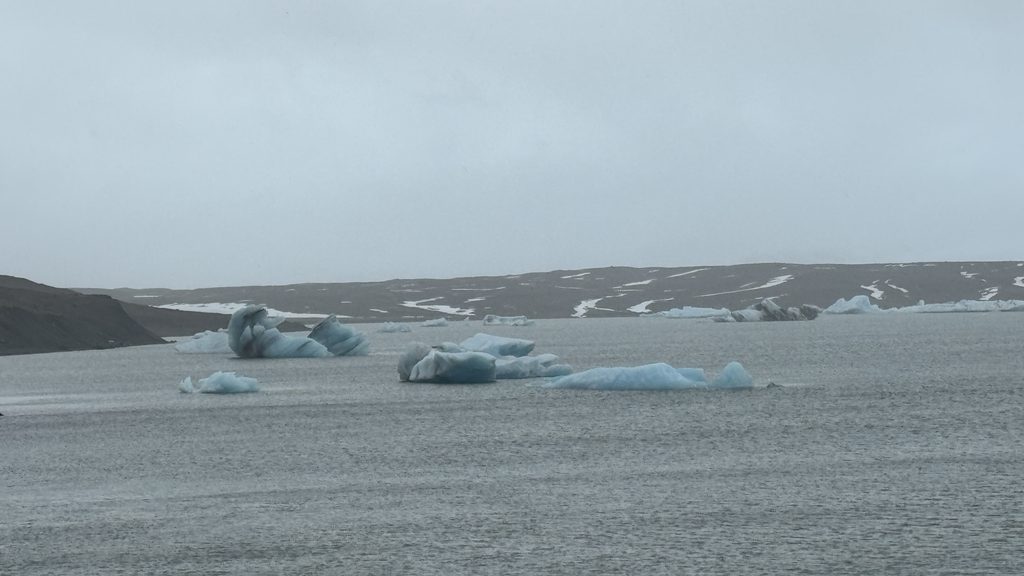
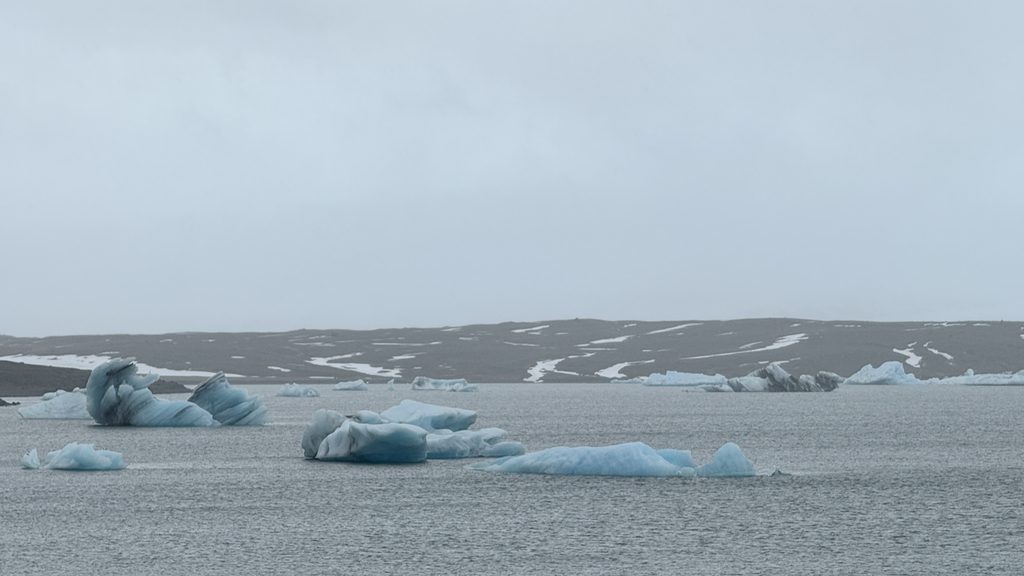
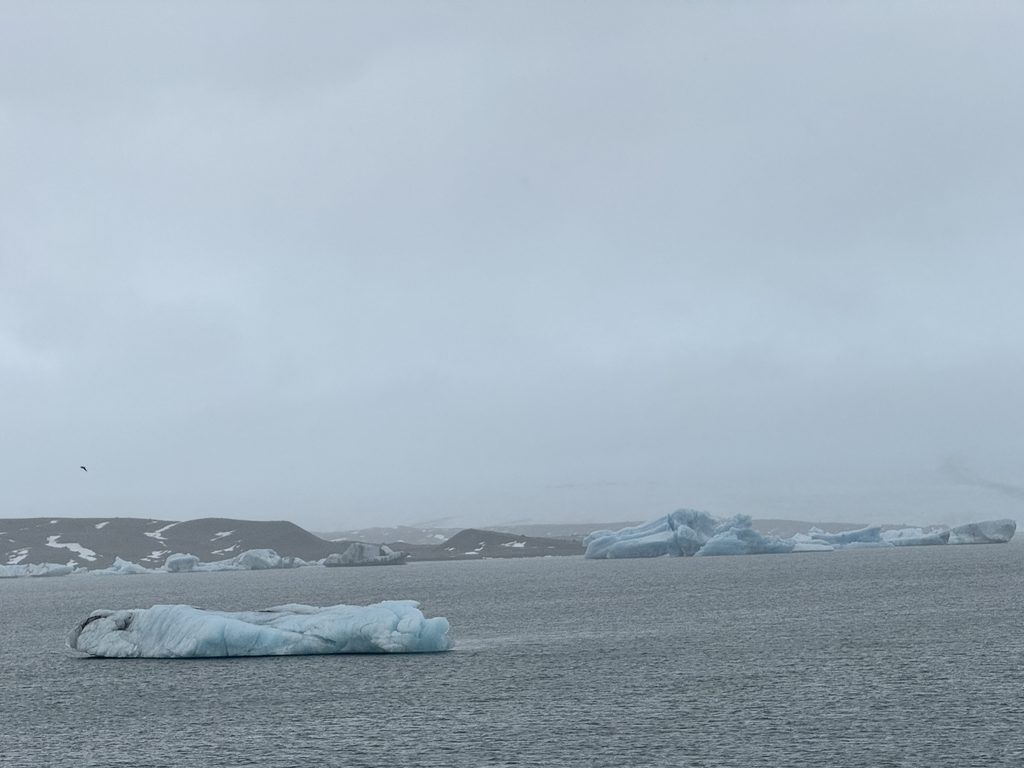
Jökulsárlón Glacier Lagoon.
No photograph had prepared us for its scale.
Icebergs of every imaginable shape floated slowly towards the sea.
Some were brilliant white.
Others glowed deep blue where centuries of compressed ice had squeezed out every air bubble.
Watching these enormous ice sculptures drift silently towards the Atlantic was oddly hypnotic.
Eventually the lagoon empties into the ocean.
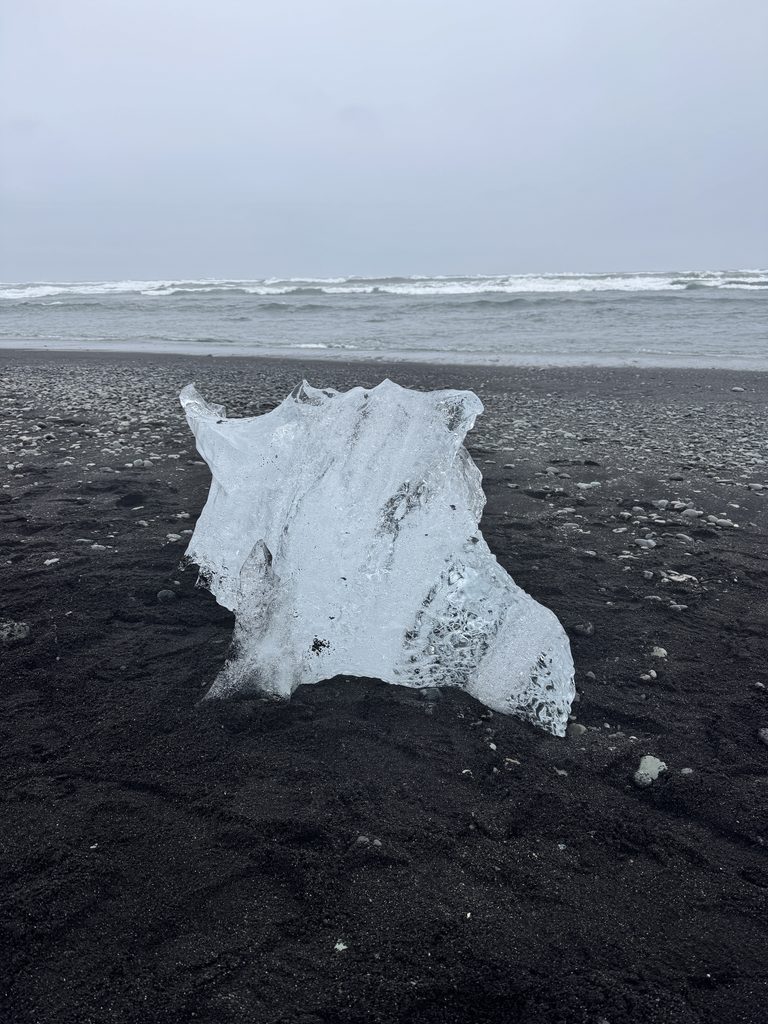
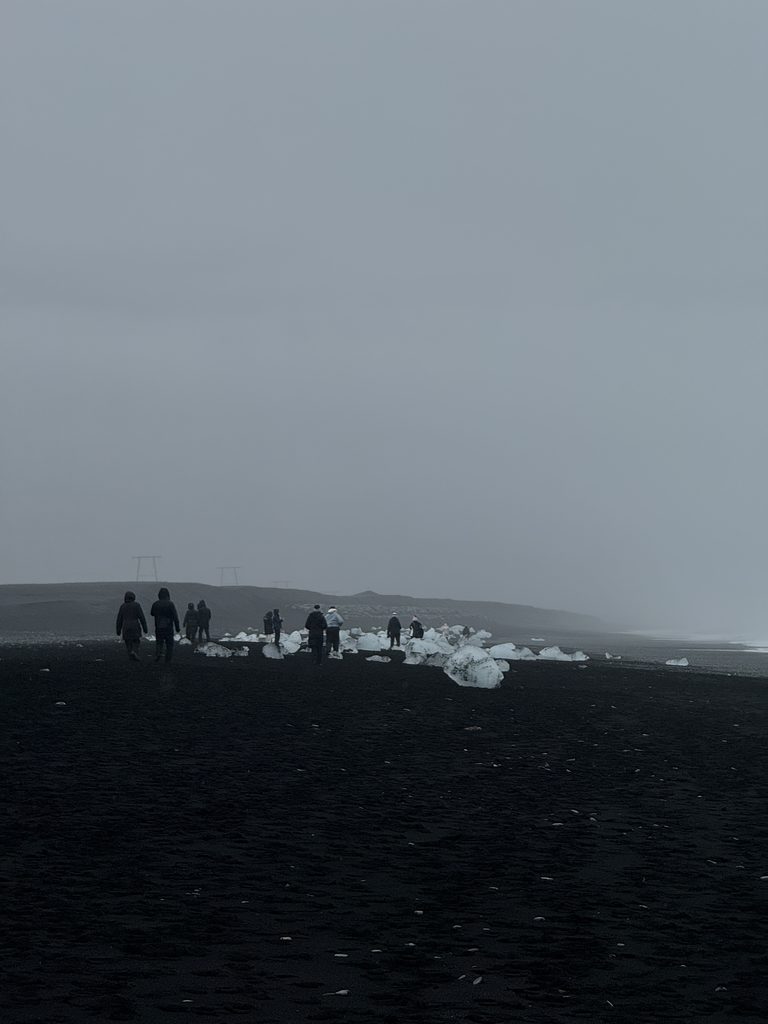
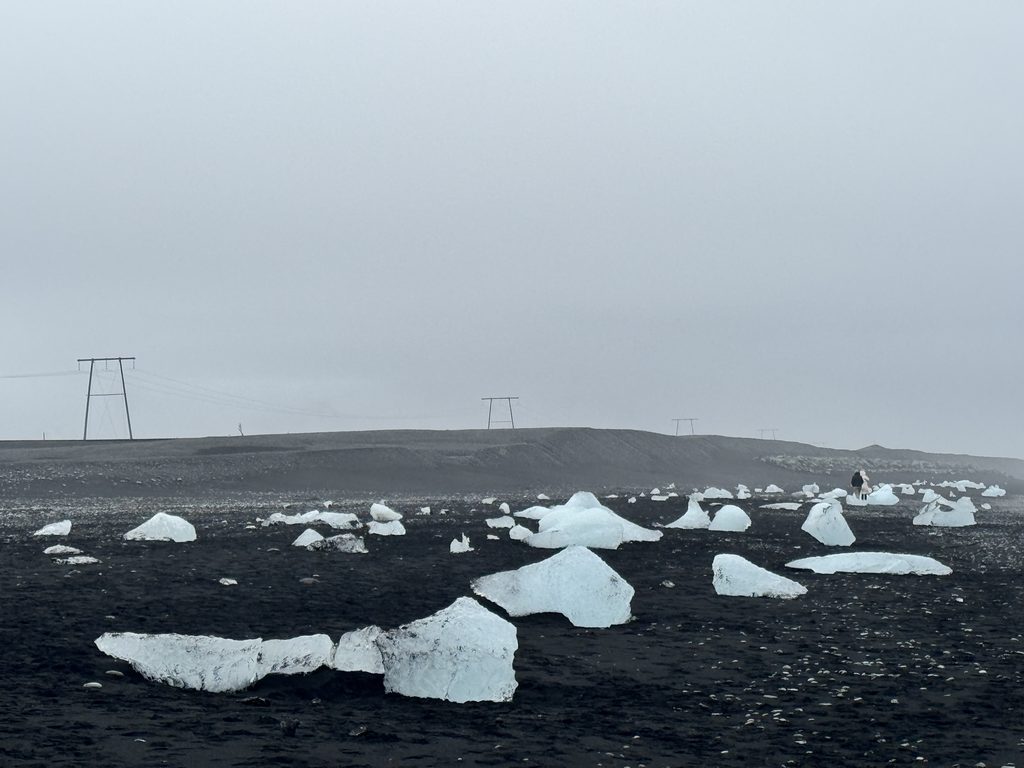
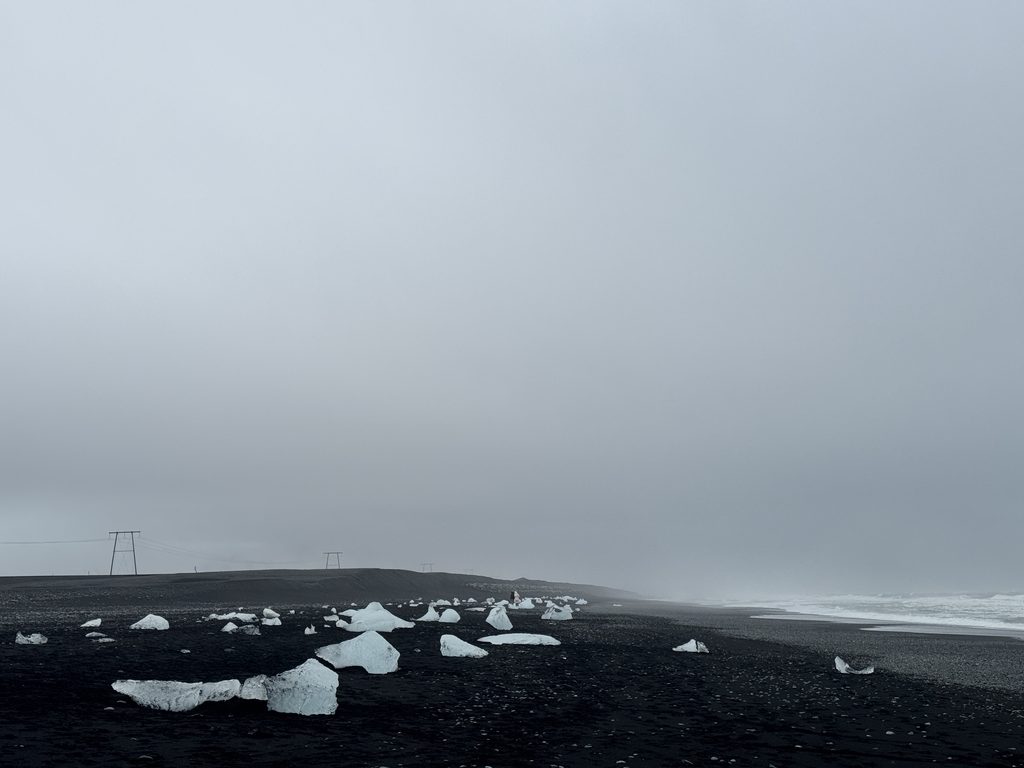
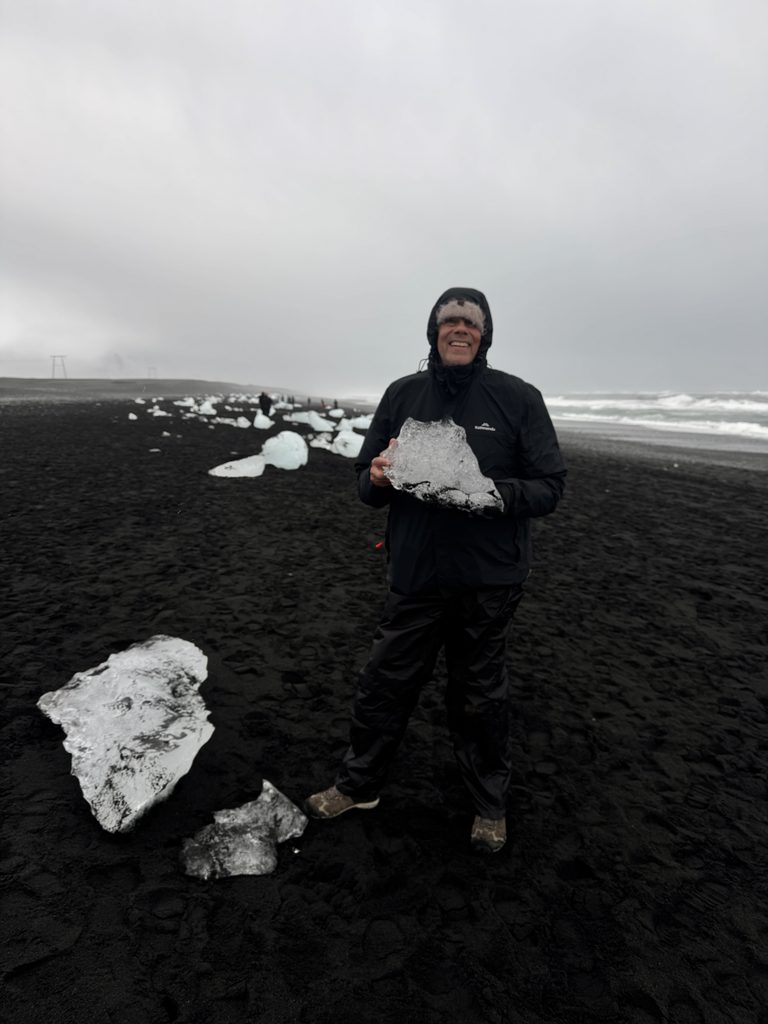
Across the road lies Diamond Beach.
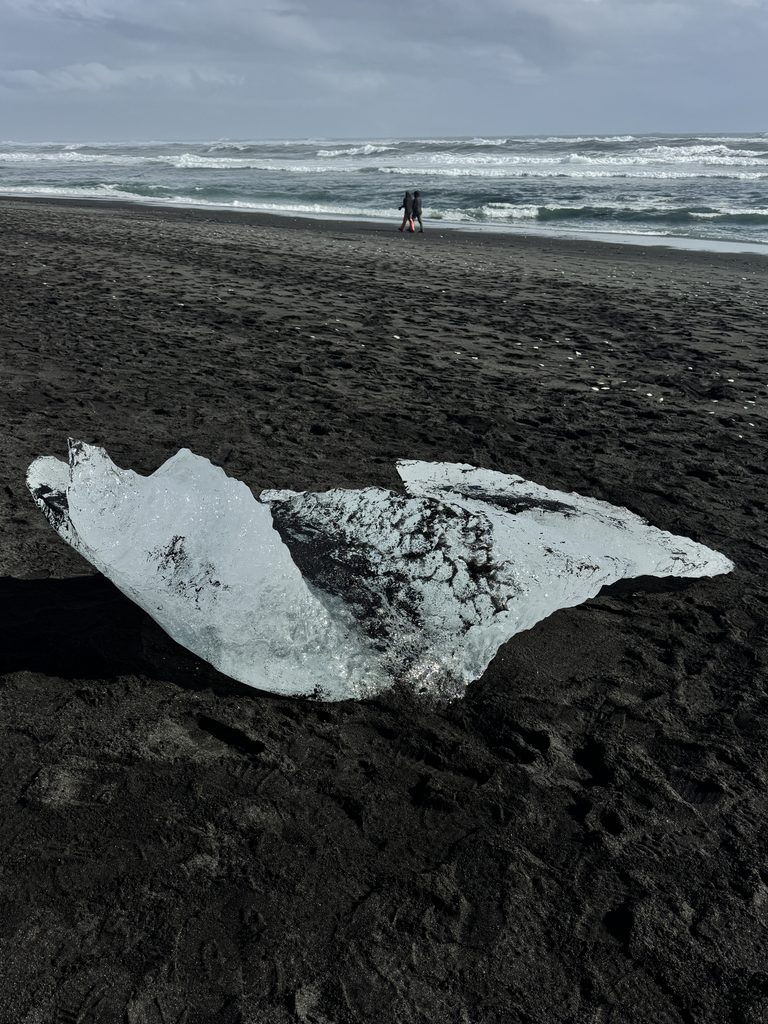
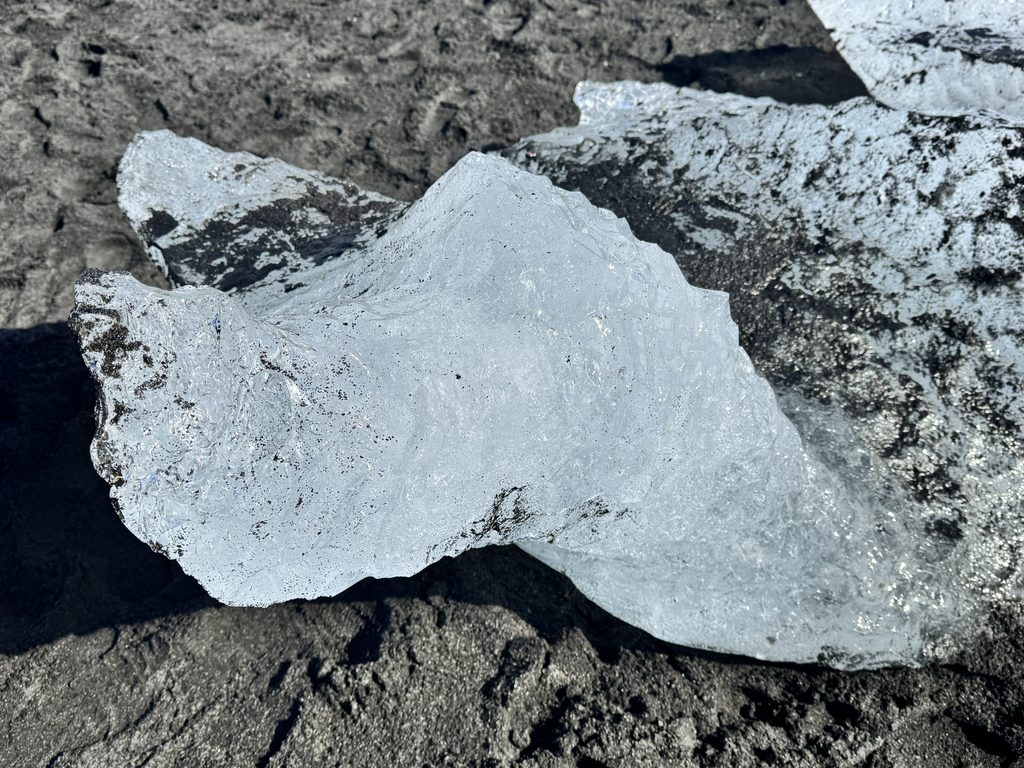
Here the waves return pieces of glacial ice onto the black volcanic sand.
Some chunks were as small as cricket balls.
Others were almost the size of small cars.
Each one sparkled in the sunlight like polished crystal.
Against the jet-black beach, they genuinely looked like scattered diamonds.
It was one of the most beautiful contrasts we’d seen anywhere in Iceland.
The Road to Vestrahorn
Late in the afternoon we continued towards Höfn.
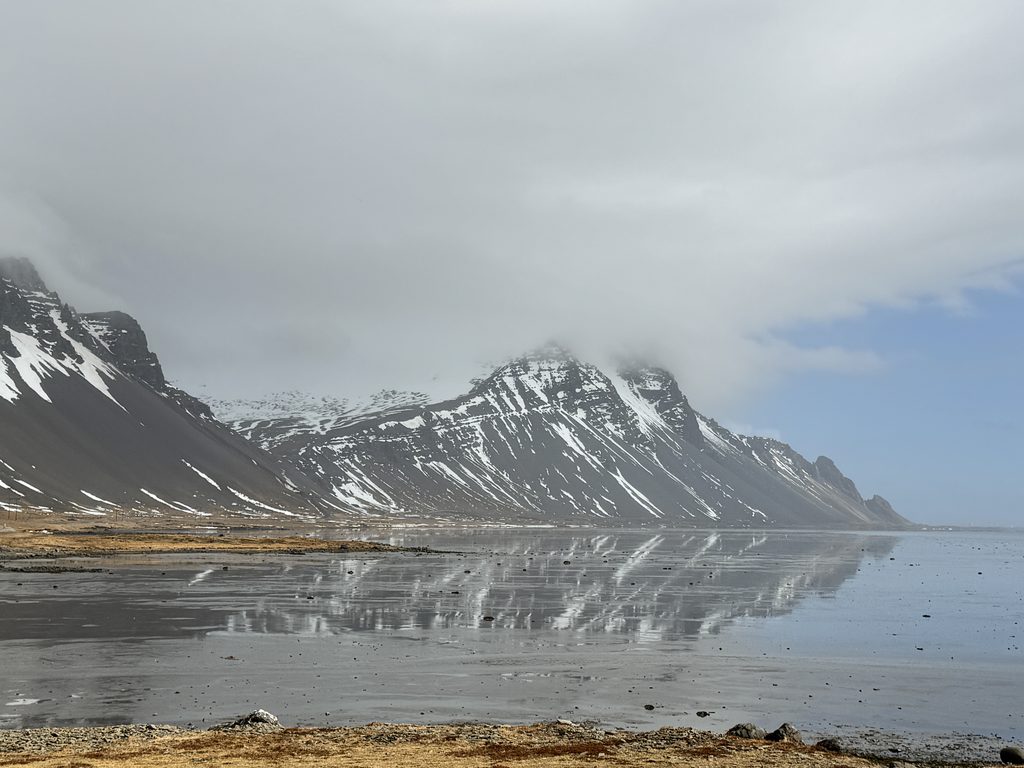
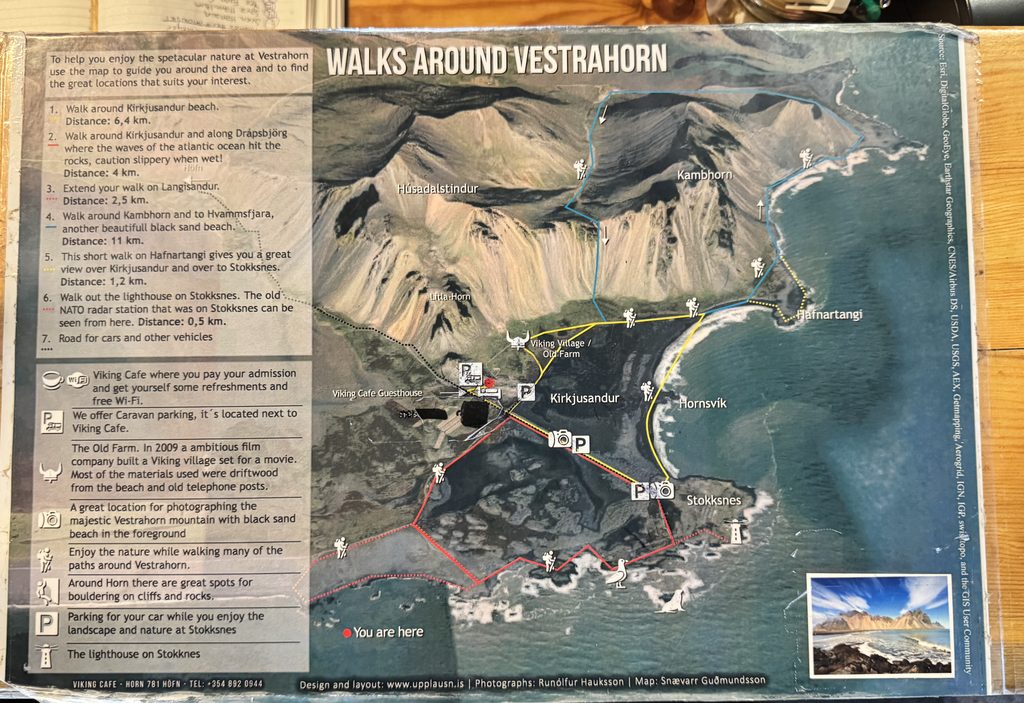
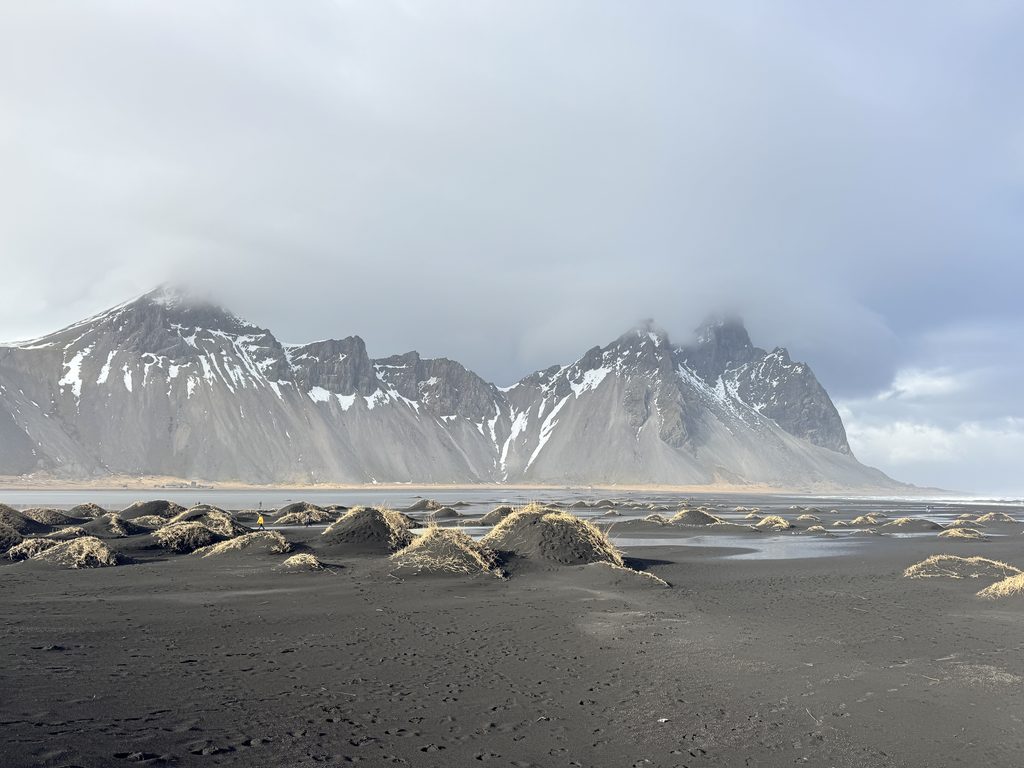
Just before reaching town, another detour led us to Stokksnes Peninsula and one of Iceland’s most photographed mountains.
Vestrahorn.
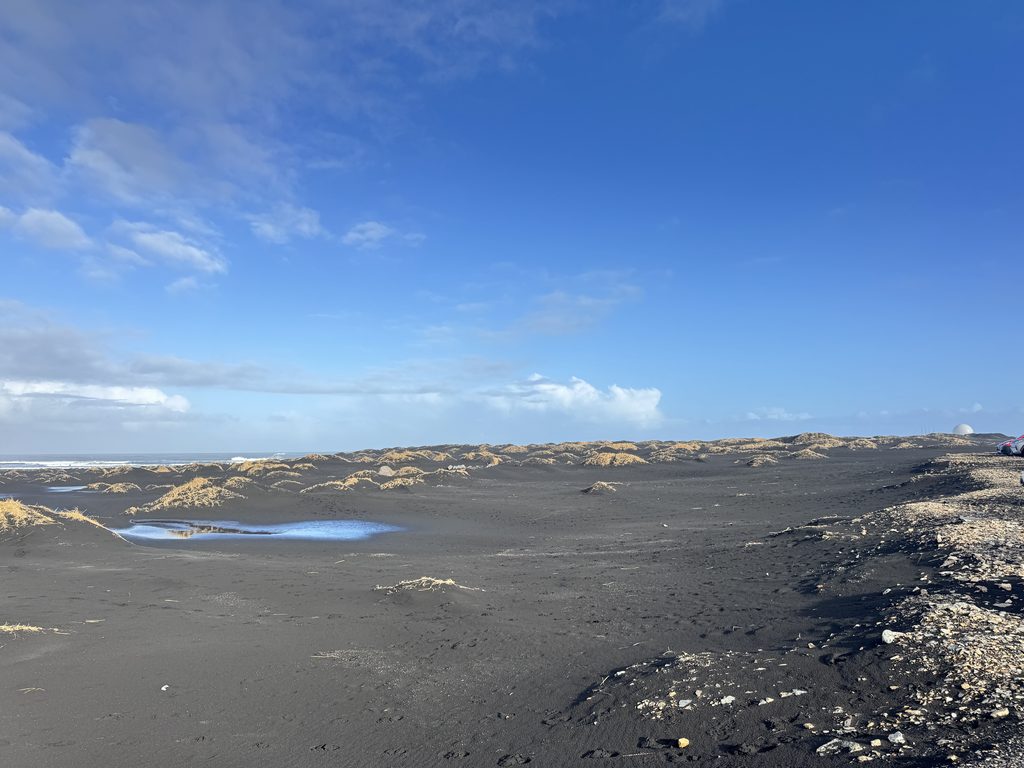
Its jagged peaks rise dramatically from black sand dunes, creating a landscape that almost looks unreal.
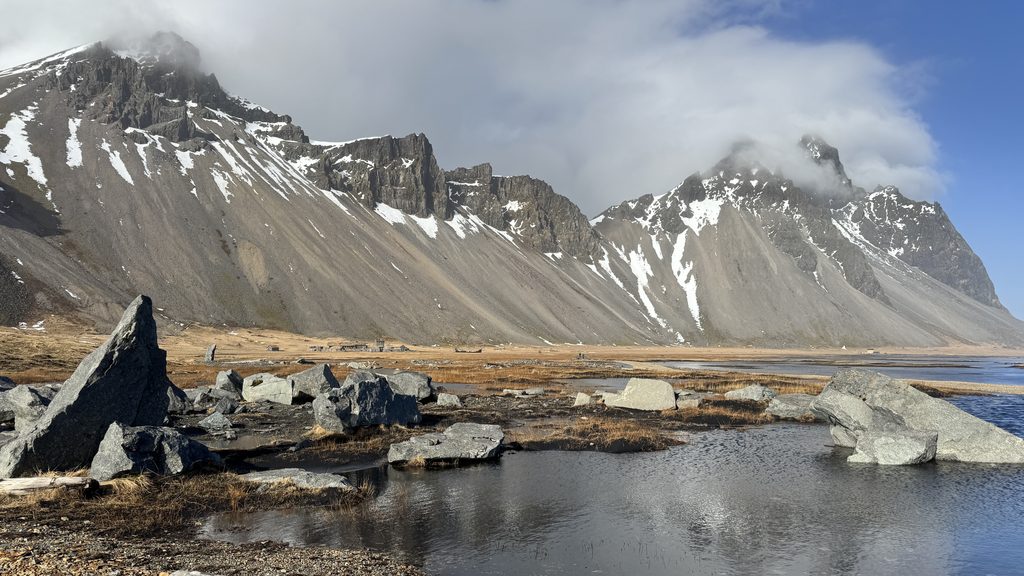
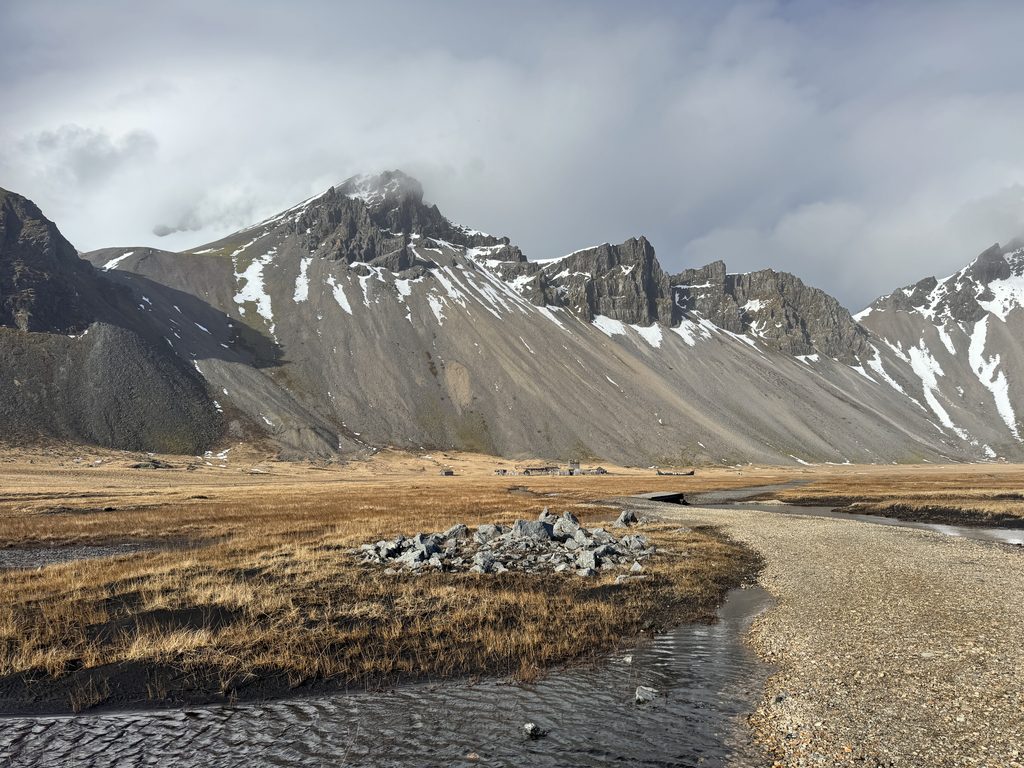
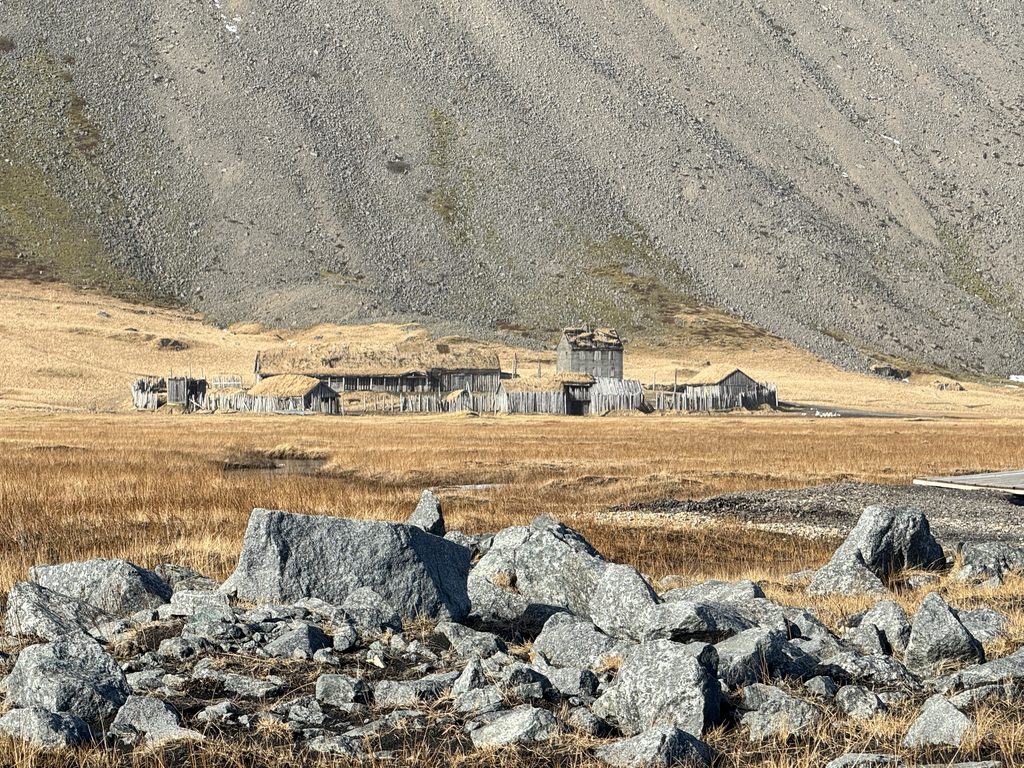
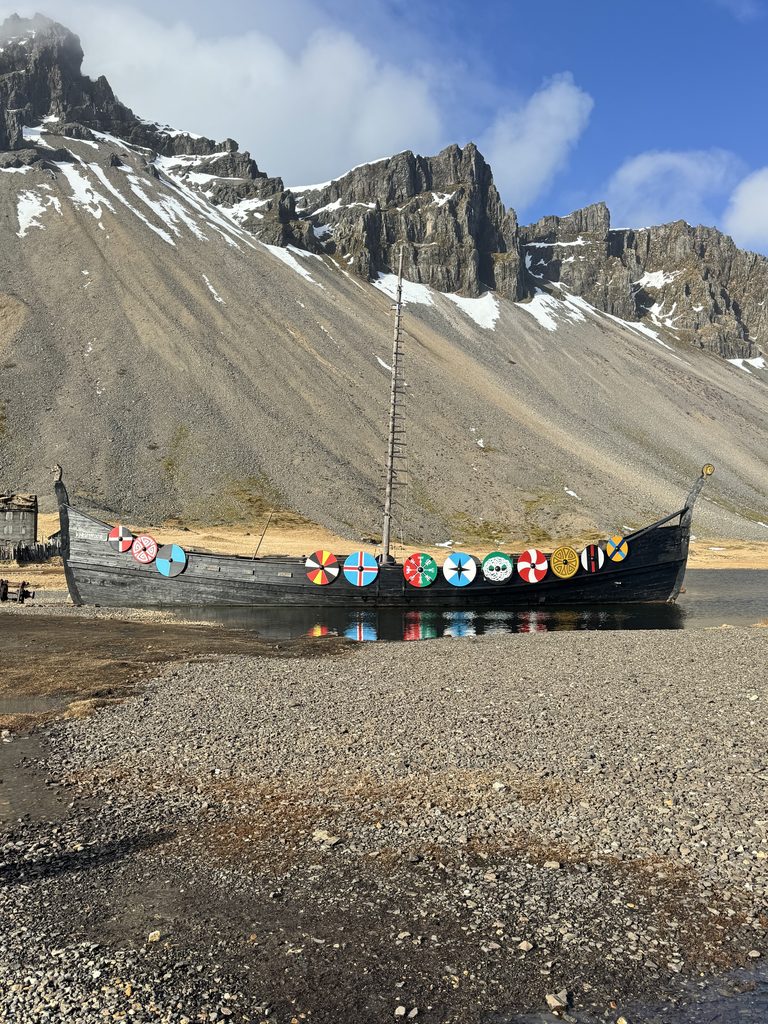
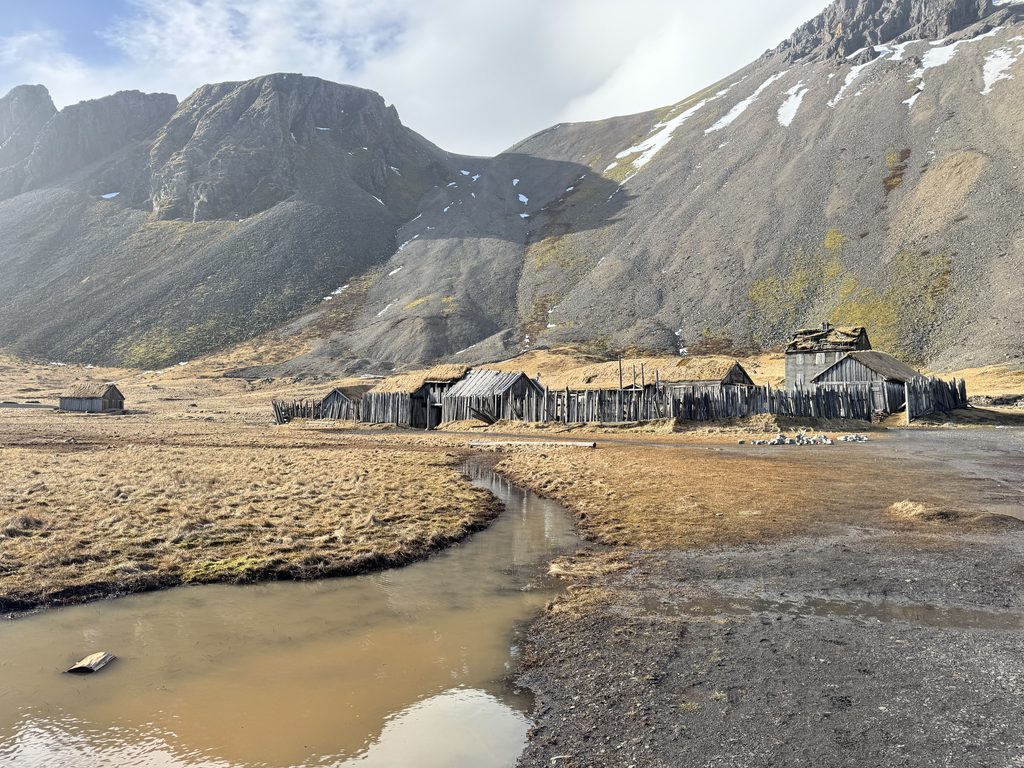
Nearby sits the Viking Village.
Despite appearances, it isn’t a genuine historic settlement but a film set built in 2009 for a movie that was never made.
The abandoned buildings somehow add to the atmosphere.
It feels like stumbling across the remains of a forgotten civilisation.
A Viking ship was added several years later, making the location even more photogenic.
Arriving in Höfn
After one of the most visually spectacular days we’d ever experienced, we enjoyed dinner at The Milk Factory—a fitting end to an unforgettable drive.
As we looked back over the day’s photographs, it struck us just how many completely different landscapes we’d travelled through in a single day.
Ancient lava.
Deep canyons.
Europe’s largest glacier.
Floating icebergs.
Black beaches.
Jagged mountains.
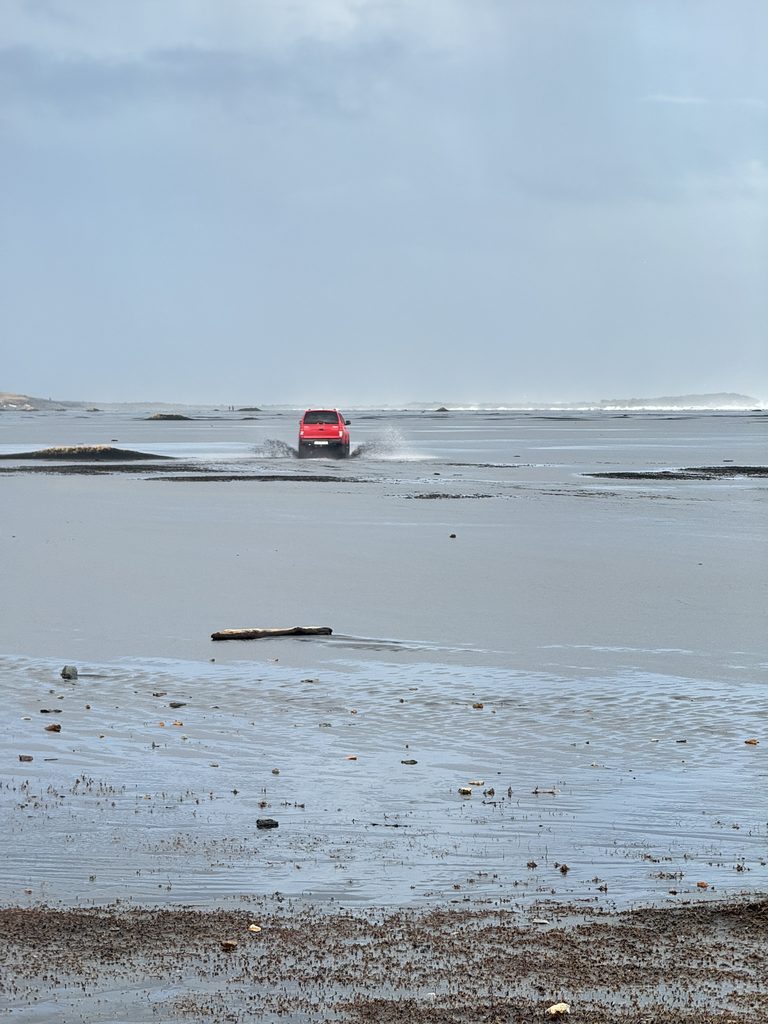
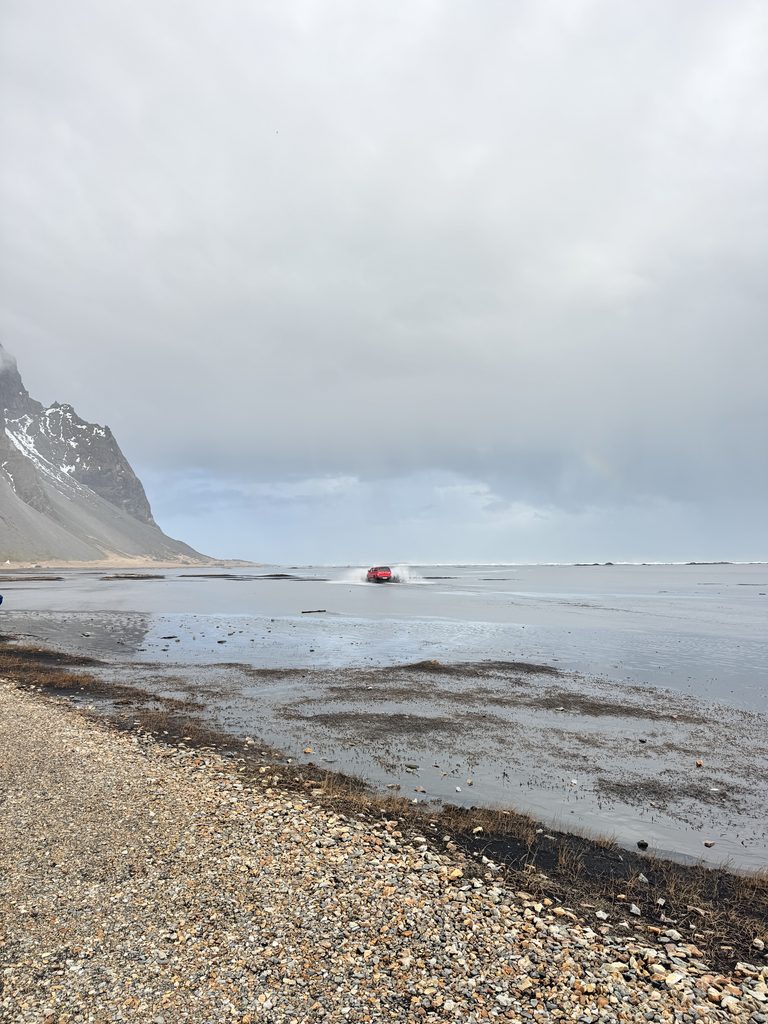
There are very few places on Earth where so much diversity exists within a few hundred kilometres. And, amongst all of this splendour: while I was standing on the black beach looking towards Vestrahorn a car appeared from behind me then raced across the water to home at the base of Vestrahorn!
Tomorrow, we would leave southern Iceland behind and begin exploring the spectacular Eastfjords.
Highlights
Walking along the rim of Fjaðrárgljúfur Canyon.
Exploring the surreal moss-covered lava fields of Eldhraun.
Floating blue icebergs at Jökulsárlón.
Photographing sparkling glacial ice on Diamond Beach.
The dramatic black sands beneath Vestrahorn Mountain.
Practical Travel Tips
Check whether Fjaðrárgljúfur Canyon is open before visiting, as temporary closures occur to protect the fragile environment.
Stay on the marked paths in Eldhraun. The moss takes decades to recover from damage.
Allow time to visit both Jökulsárlón and Diamond Beach—they’re only a short walk apart.
Driving Route:
Vík → Fjaðrárgljúfur Canyon → Eldhraun Lava Field → Jökulsárlón → Diamond Beach → Stokksnes/Vestrahorn → Höfn
Coming Next: Day 5 — Through the Eastfjords to Iceland’s Most Colourful Town
The towering glaciers faded behind us as the Ring Road hugged the coastline through the Eastfjords. We wound around deep fjords, paused in sleepy fishing villages, drove across a snow-covered mountain pass, and arrived in Seyðisfjörður—a picture-perfect town where colourful houses, a famous rainbow street and an unexpected road closure proved that Iceland still had a few surprises in store.
Want to see some beautiful images of Vestrahorn and other locations in Iceland? Check out John Montague Photography!
Disclaimer:
This blog post is based entirely on our own experiences during our trip to Iceland in April 2026. Everything we share reflects what we personally saw, did, learned and experienced during our holiday.
We have done our best to make sure the information is correct. However, things can change, including prices, road conditions, weather etc. If you are considering travelling to Iceland, we recommend you check current information with official Icelandic sources before making bookings. Any opinions, recommendations and suggestions shared on Monty&Me are our own

vicki@montyandme.com.au
Vicki Montague is a freelance writer with a predilection for travel, European fashion, architecture that oozes history and charm, and objects that tell a story. She and her partner John are empty nesters - their three adult children have left the comforts of home to carve out their own paths in life. Vicki’s professional background is in marketing and public relations.

Leave a Reply