
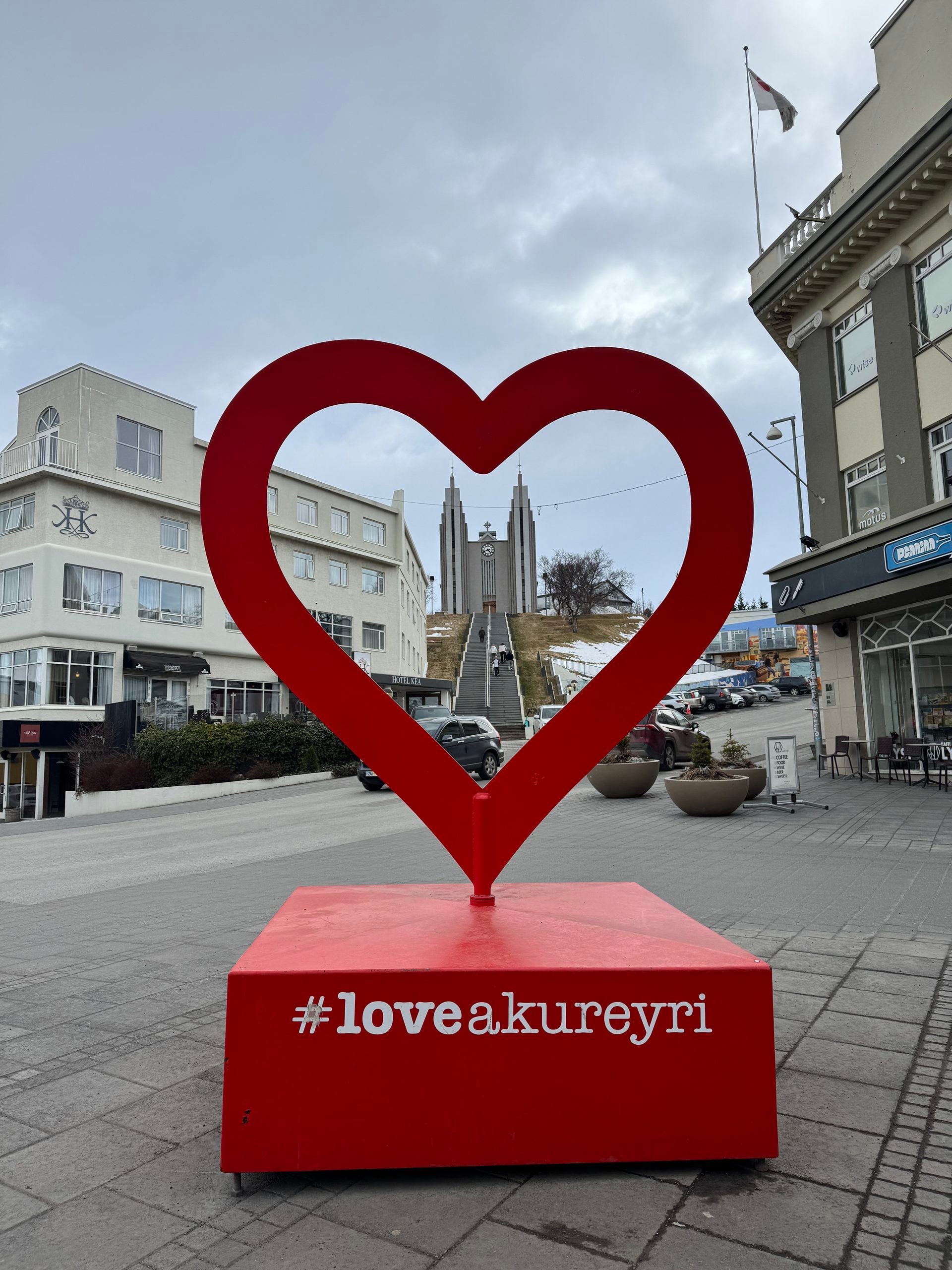
The Road to Akureyri: Unforgettable Stops in North Iceland
Day Seven of our 9-day adventure and we noticed a gentler side of Iceland.
After the drama of glaciers, geothermal fields and the Northern Lights, it felt almost peaceful.
Not because the scenery became any less impressive. Far from it.
But there was something calmer about northern Iceland.
The landscape softened.
The volcanic wastelands gradually gave way to fertile valleys, green farmland and broad fjords. The roads became quieter, the pace slower, and after nearly a week of constantly discovering something extraordinary around every corner, we found ourselves simply enjoying the drive.
Today’s destination was Akureyri—Iceland’s unofficial capital of the north.
But first – a few unforgettable stops along the way.
Morning at Lake Mývatn
The previous evening had gifted us our first glimpse of the Northern Lights, and waking beside one of Iceland’s most fascinating landscapes felt like saying goodbye to an old friend.
Breakfast at accommodation at Mývatn was special. Our window seats gave boasted memorable views of Hverfjall crater; the lake was only metres away.
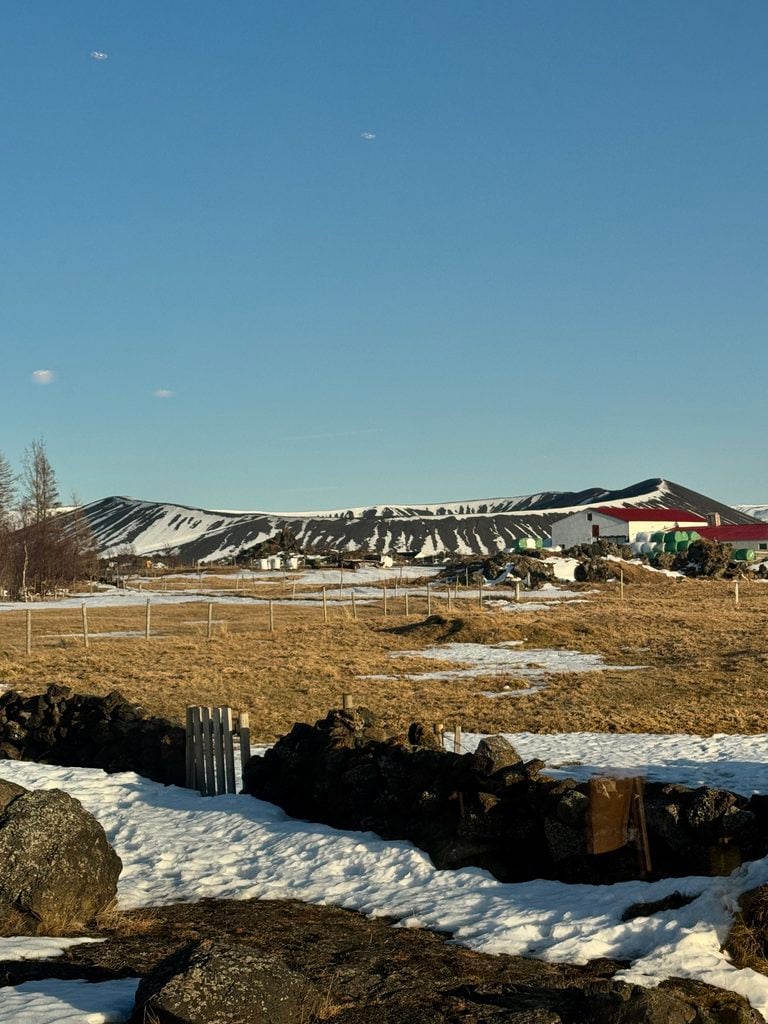
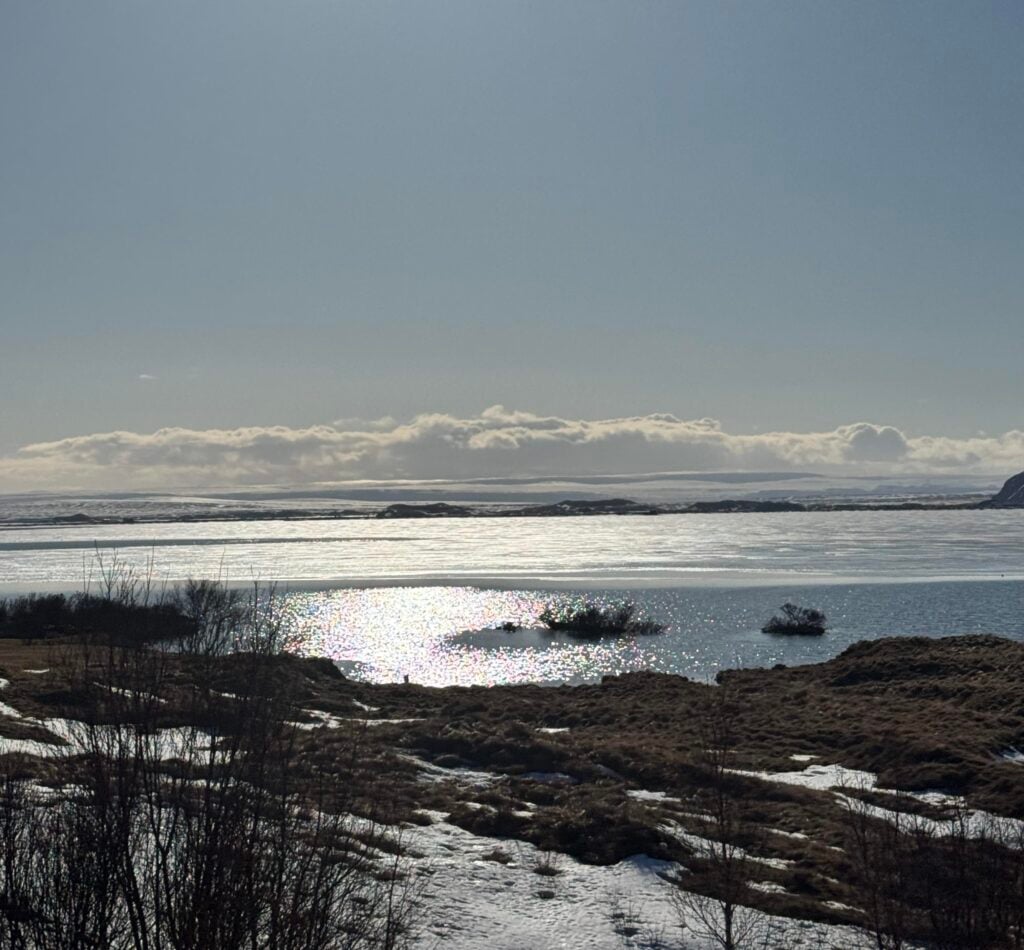
Images above: Hverfjall crater and Lake Mývatn
Skútustaðagígar – Craters That Aren’t Craters
Our first stop was one of the region’s geological curiosities.
At first glance, Skútustaðagígar looks like a collection of perfectly formed volcanic craters scattered beside the lake.
They’re not.
These are pseudo-craters.
Rather than erupting from magma below, they formed thousands of years ago when scorching lava flowed across wetlands, trapping water beneath the surface until it exploded into steam.
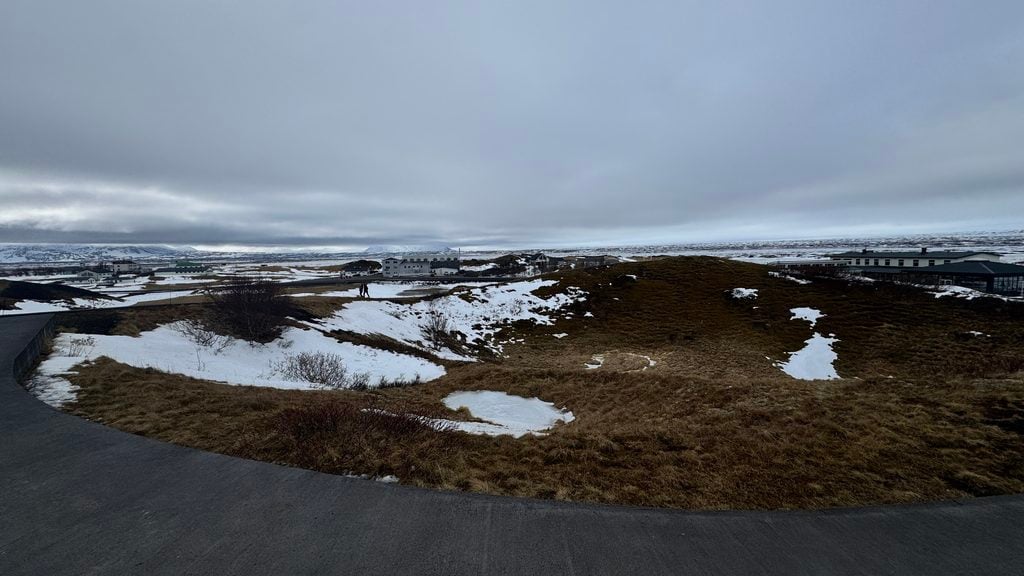
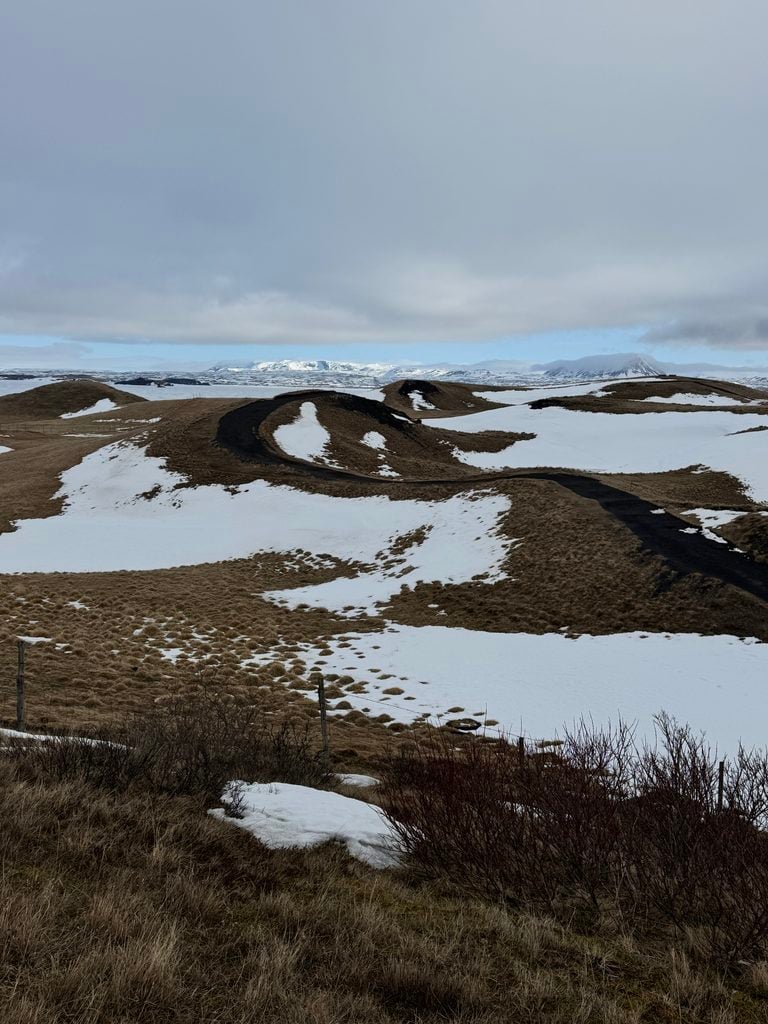
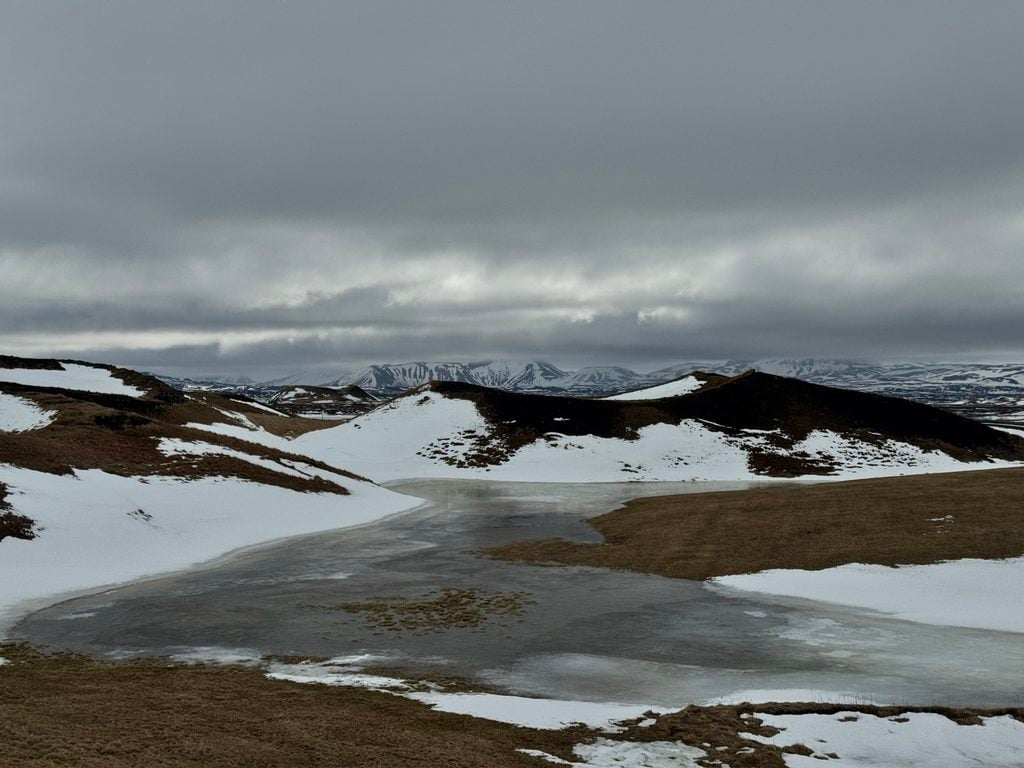
Images above: pseudo-craters
Following the dedicated walking trails around the craters it was difficult to imagine the violent forces that had created such a peaceful landscape. I can only guess what it would look like in spring-summer when the landscape is covered in green grass and the area is teaming with birdlife.
Goðafoss – The Waterfall of the Gods
Some waterfalls impress because of their height.
Others because of their power.
Goðafoss is different.
Its beauty comes from its symmetry.
As we approached, the broad horseshoe-shaped waterfall appeared almost perfectly balanced, cascading gracefully into the river below.
It’s no surprise that many people consider it one of Iceland’s most beautiful waterfalls.
Standing at the viewing platform, it was easy to understand why.
Unlike the thunderous roar of Skógafoss or the intimate experience of walking behind Seljalandsfoss, Goðafoss possesses a quieter elegance.
Its history is just as fascinating.
According to Icelandic tradition, when the country adopted Christianity around the year 1000, pagan idols were thrown into the waterfall—giving it the name “Waterfall of the Gods.”
Whether legend or fact, it certainly adds another layer to an already remarkable place.
We lingered longer than we’d planned.
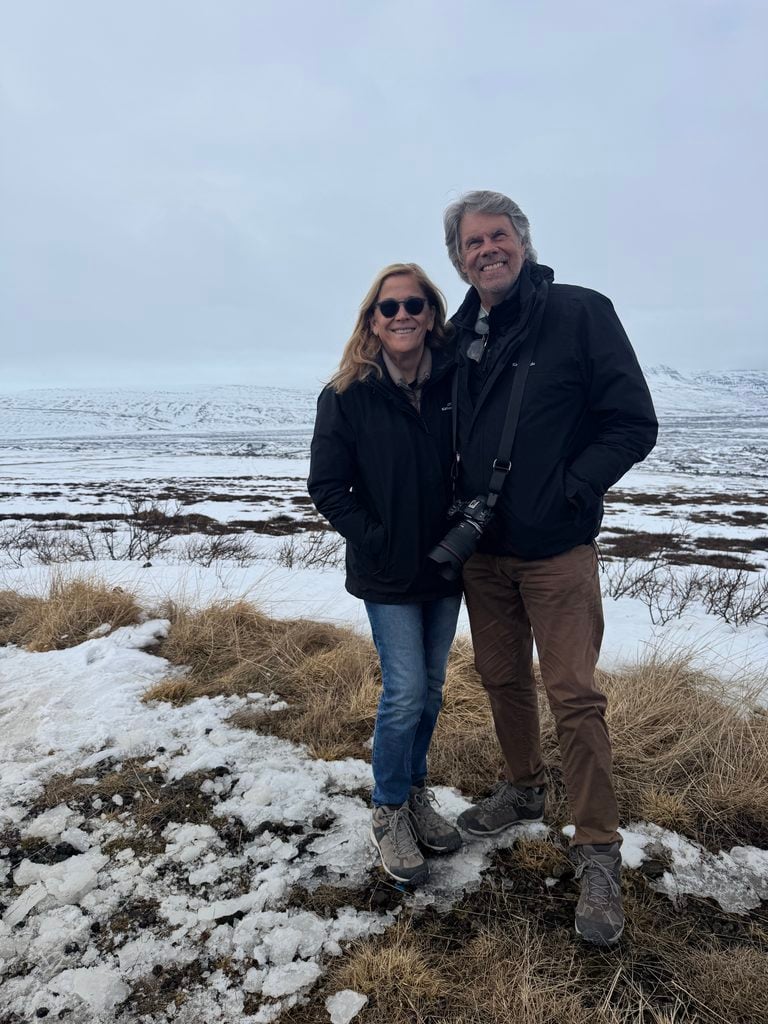
Continuing west, the road followed Fnjóskadalur Valley.
Compared with the volcanic deserts we’d crossed only yesterday, the contrast couldn’t have been greater.
Traffic remained light, and every now and then another farm appeared nestled beneath the surrounding hills.
Laufás – A Glimpse into Iceland’s Past
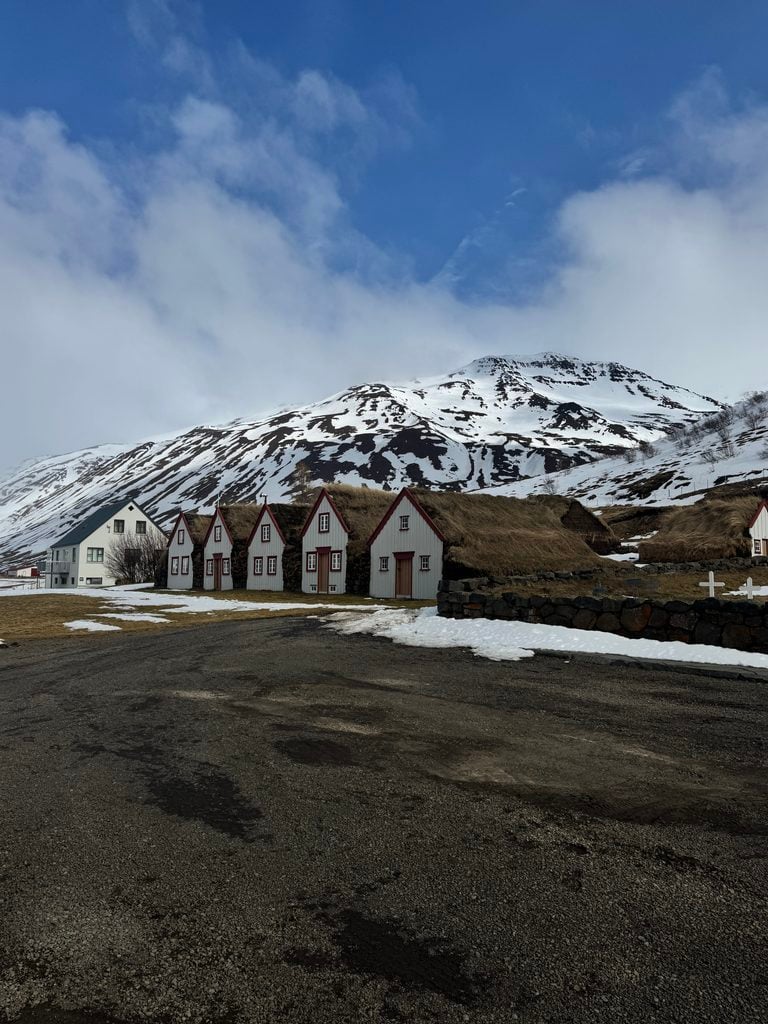
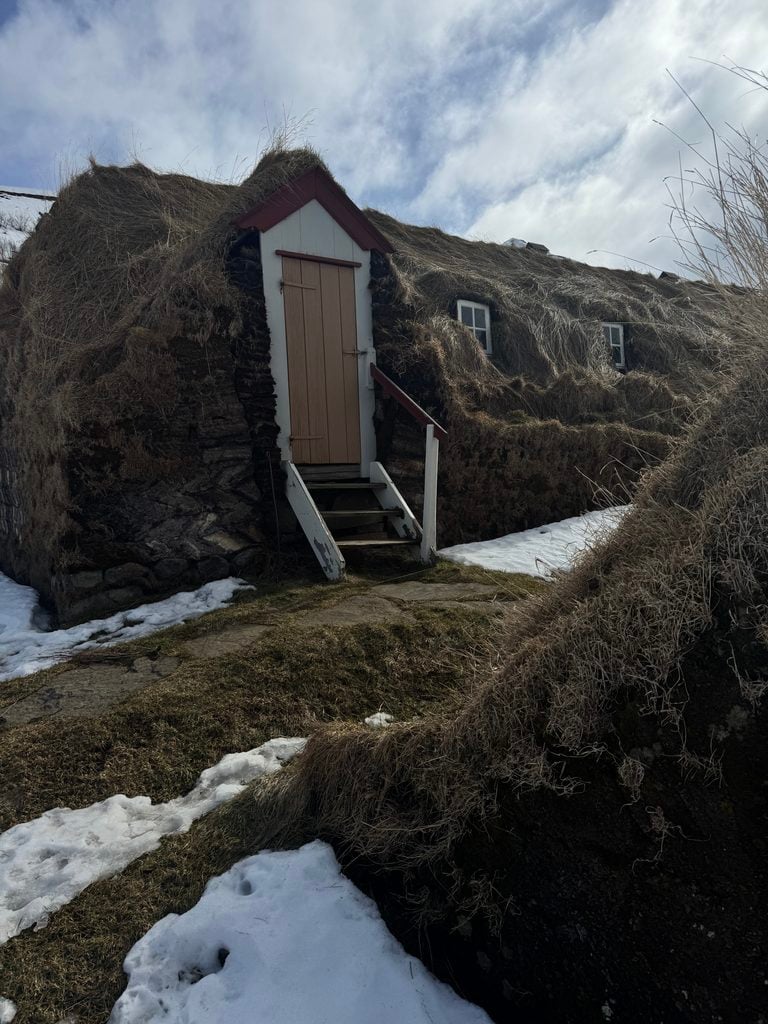
One of today’s most fascinating stops was Laufás Turf House.
From a distance it almost disappeared into the hillside.
Grass-covered roofs blended seamlessly with the surrounding landscape. In spring-summer the buildings would appear as though they’d grown naturally from the earth. It wasn’t difficult to appreciate the resilience of the people who made their homes here.
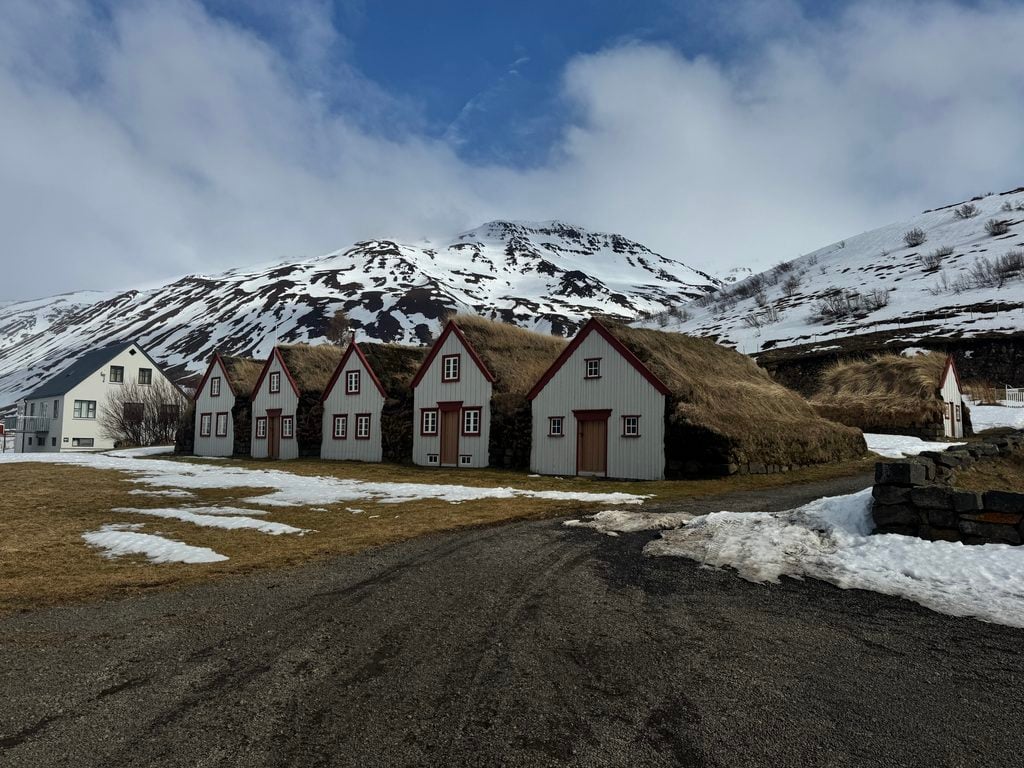
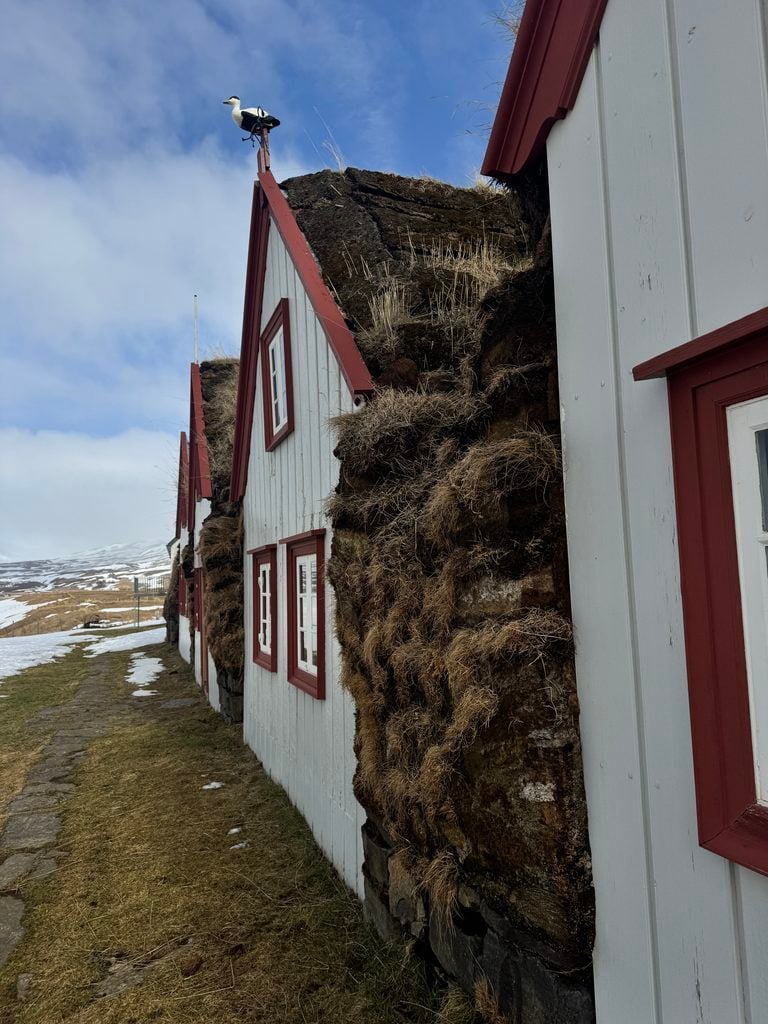
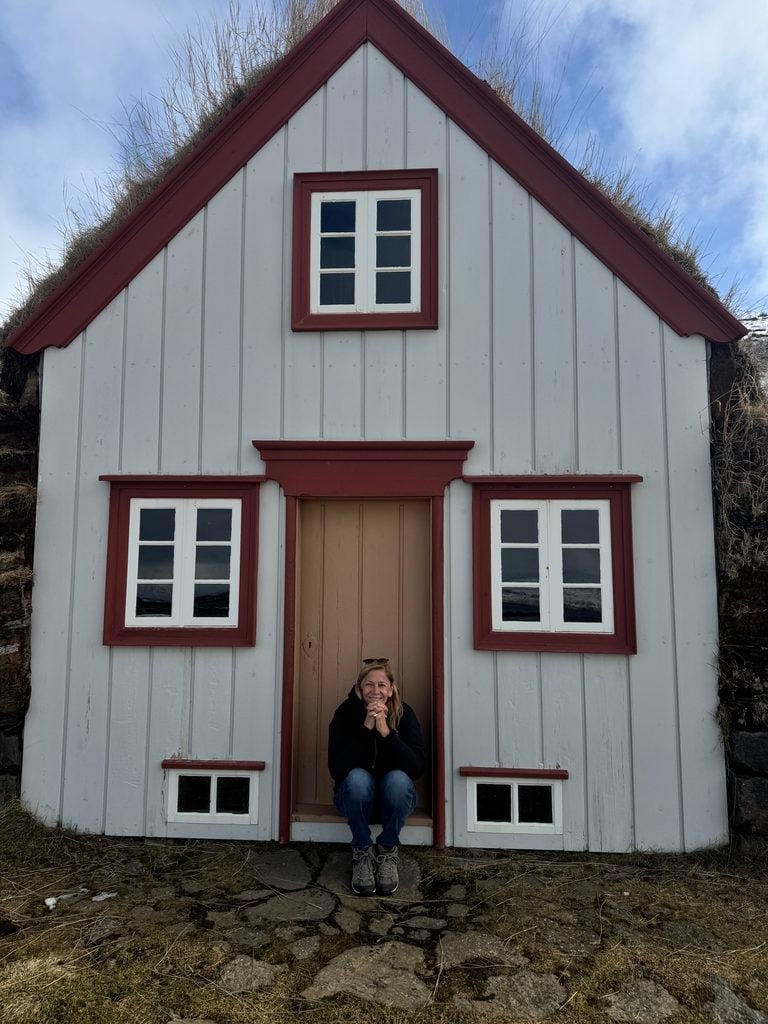
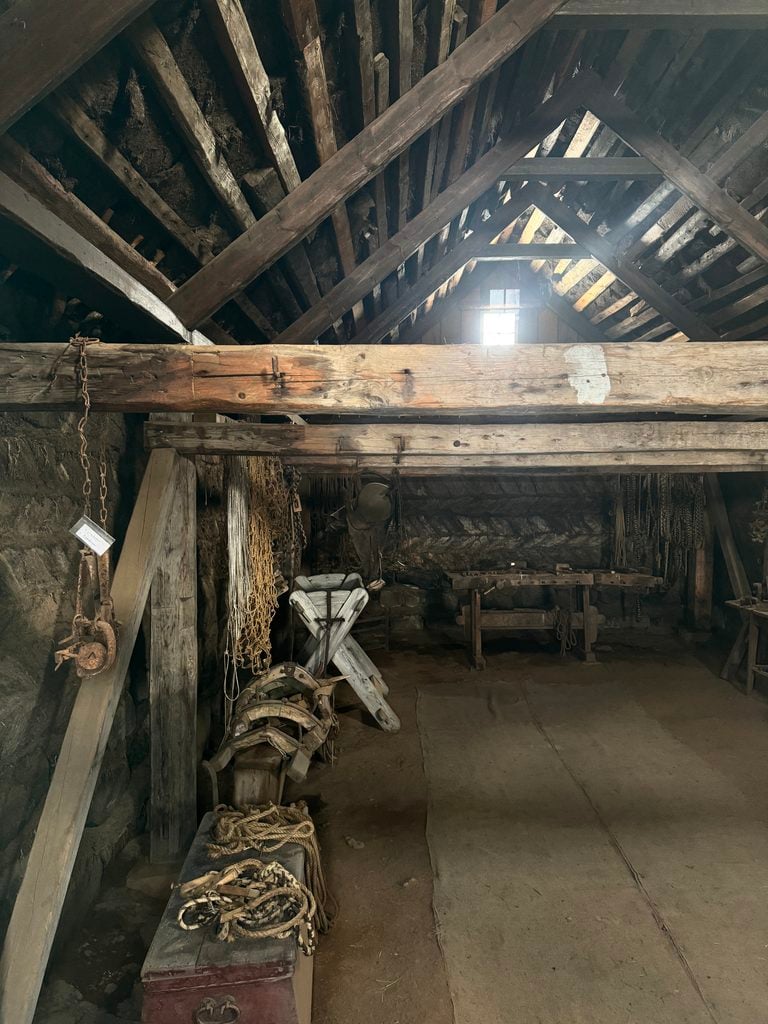
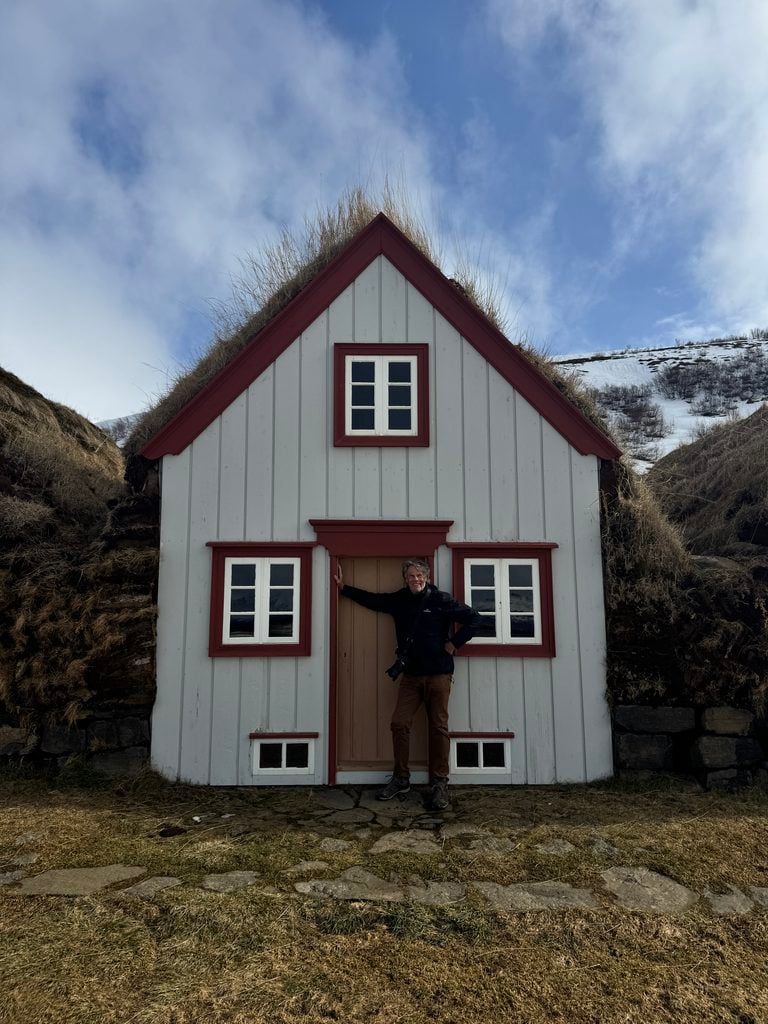
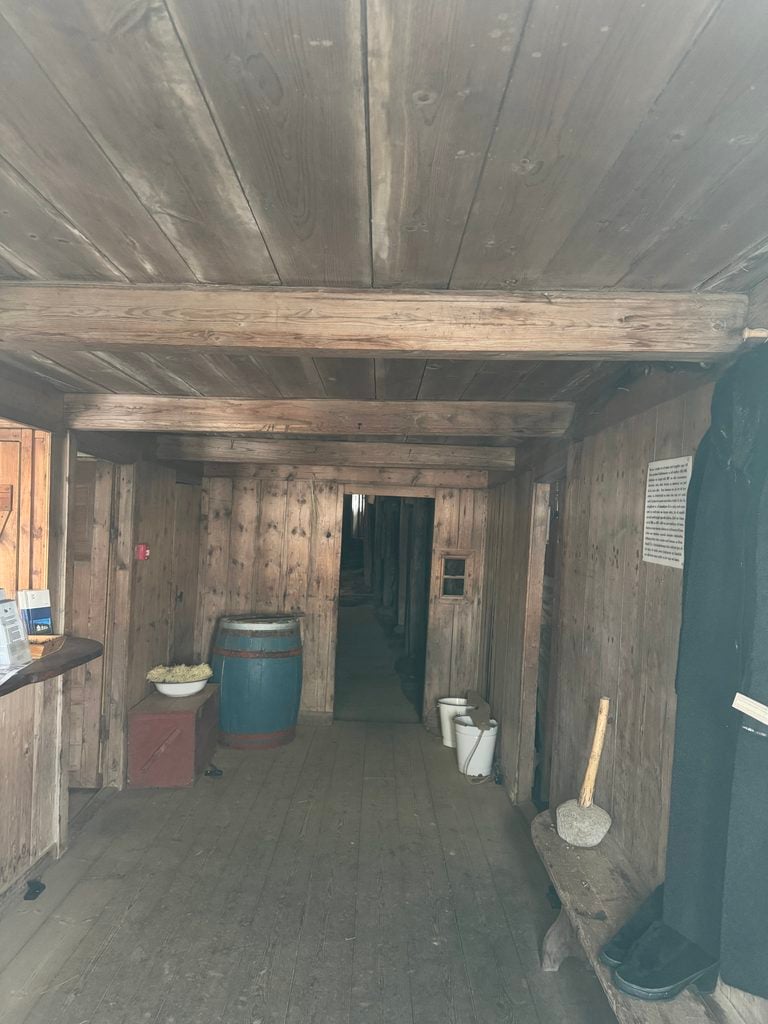
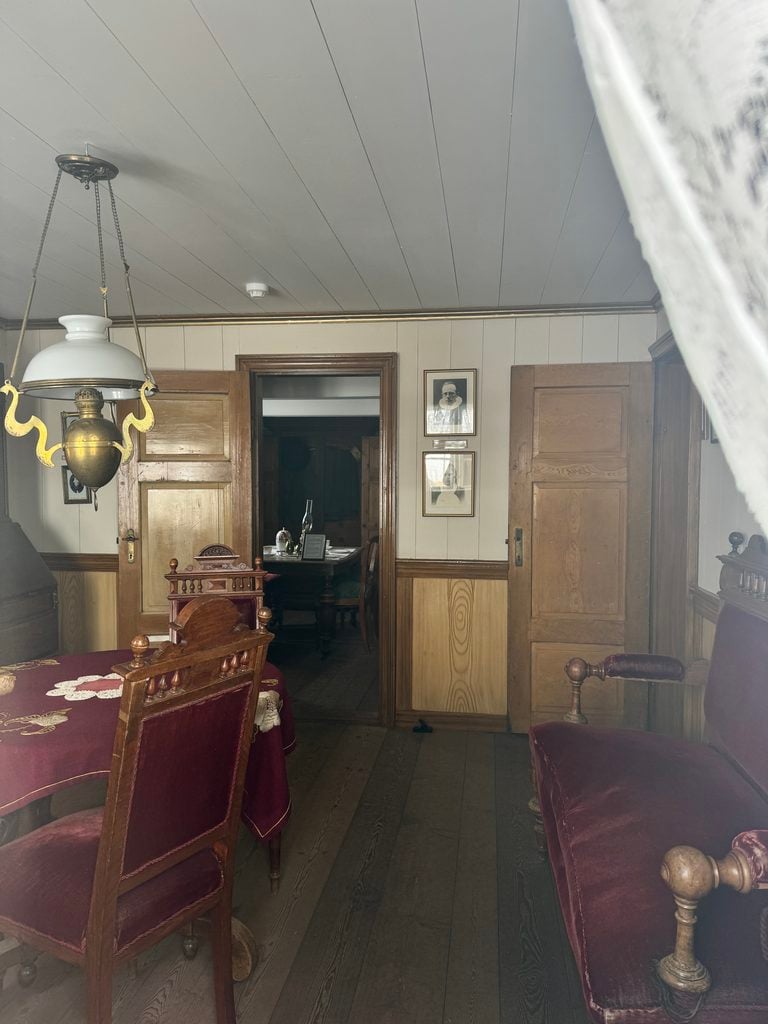
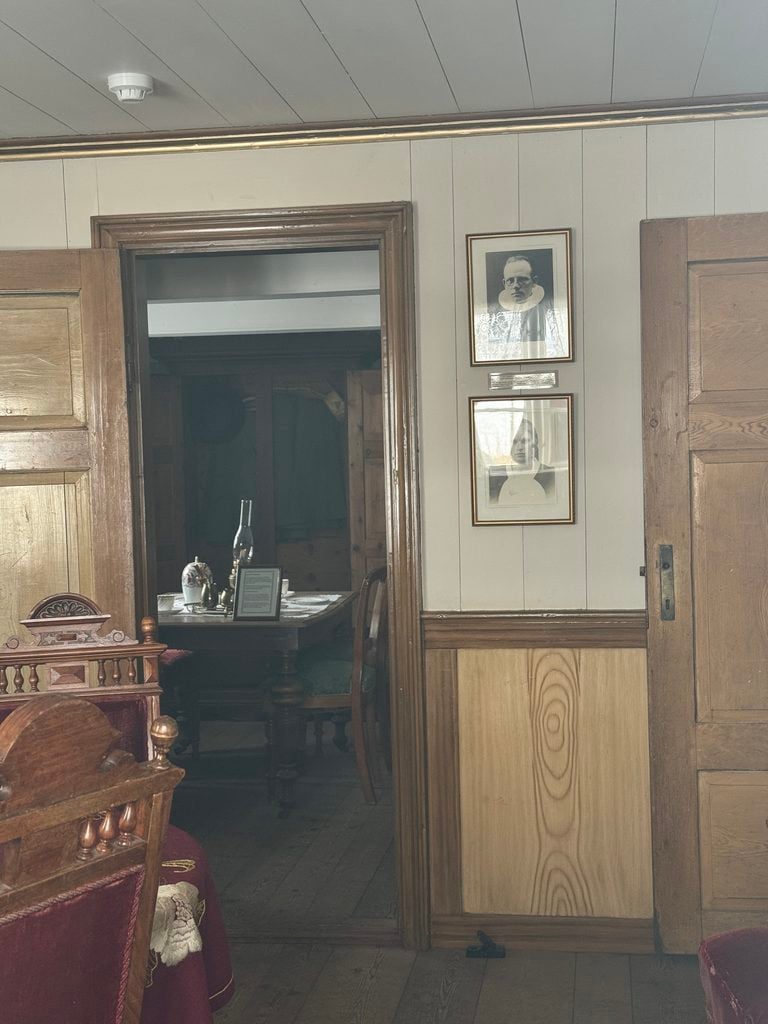
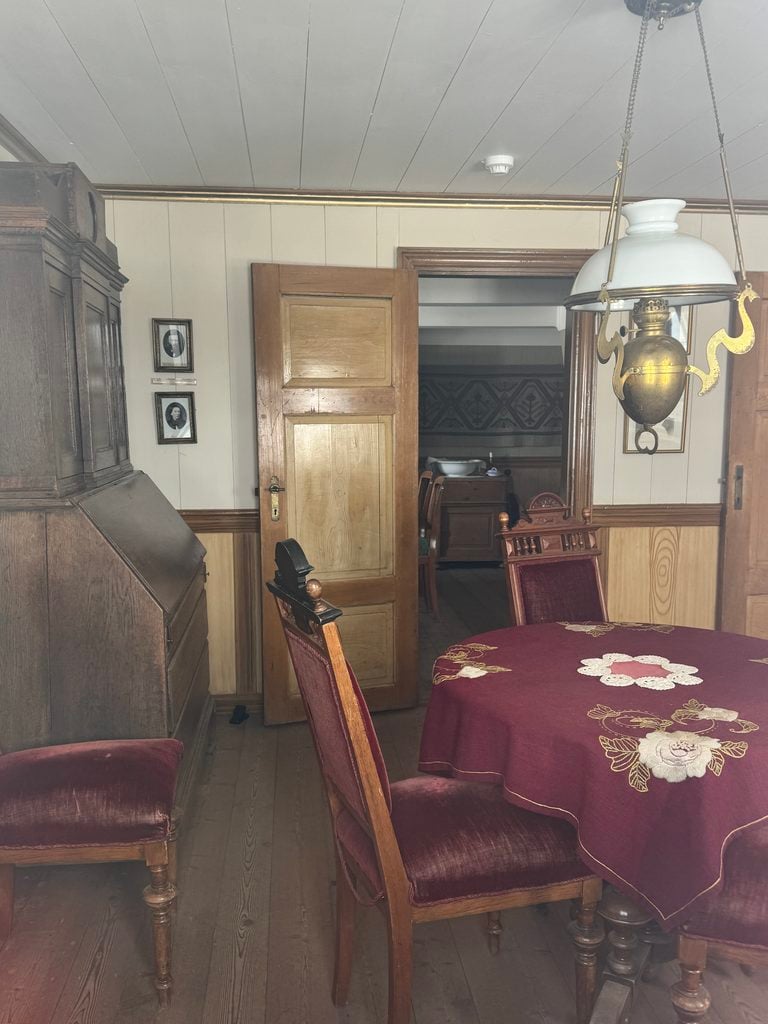
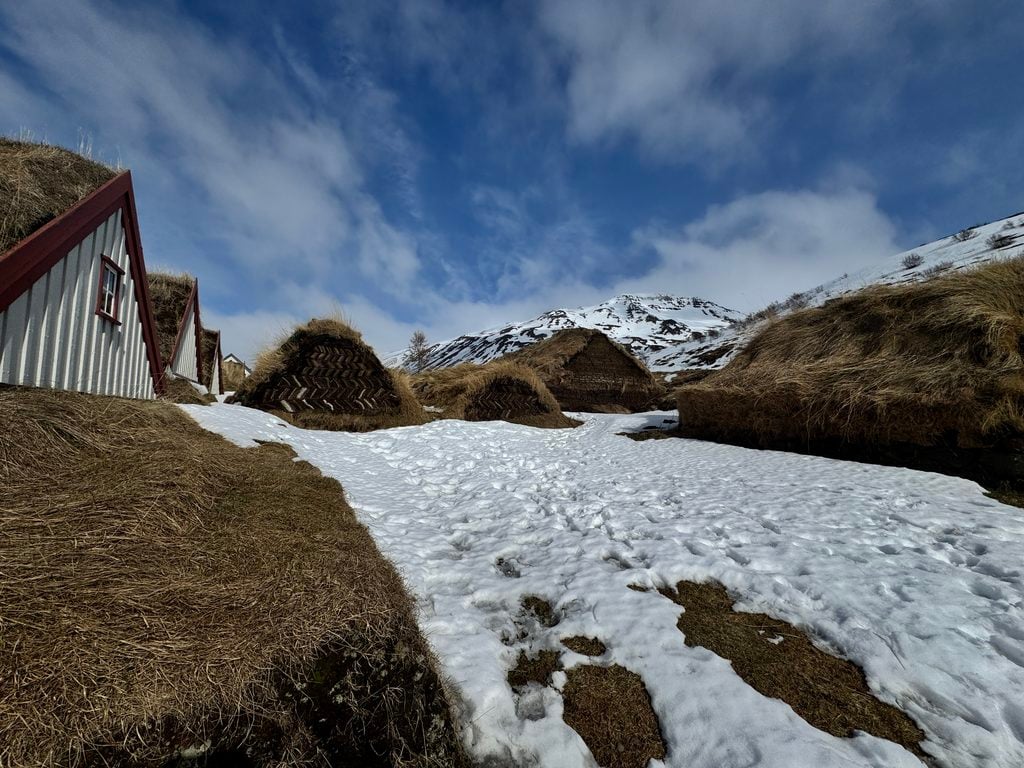
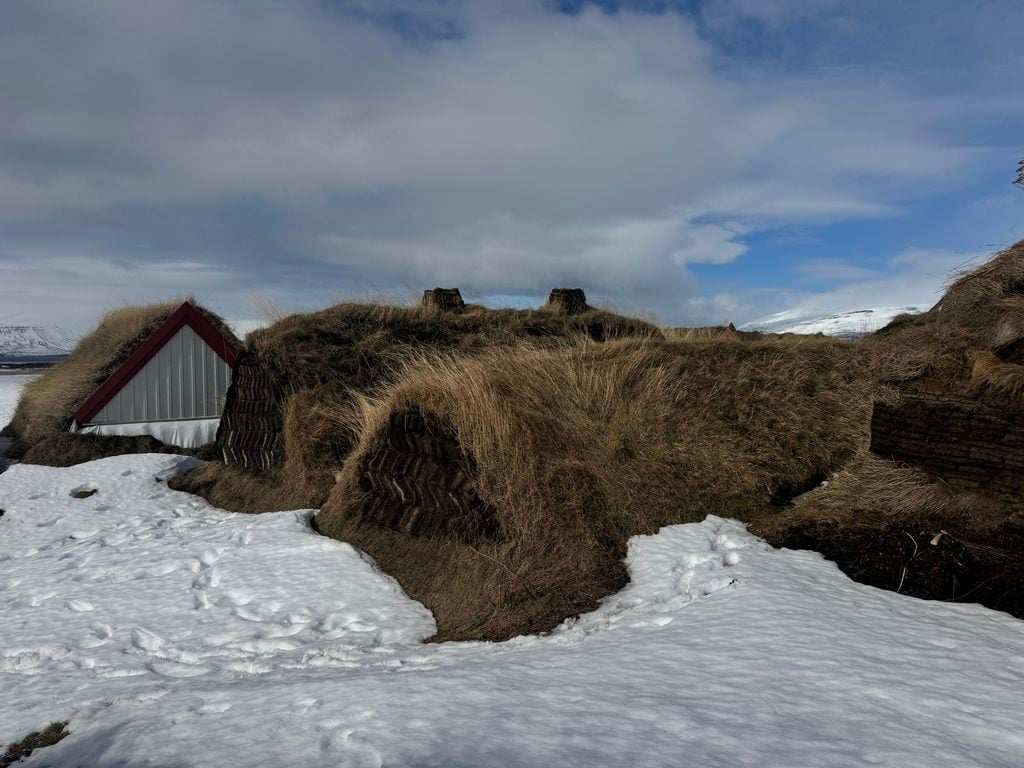
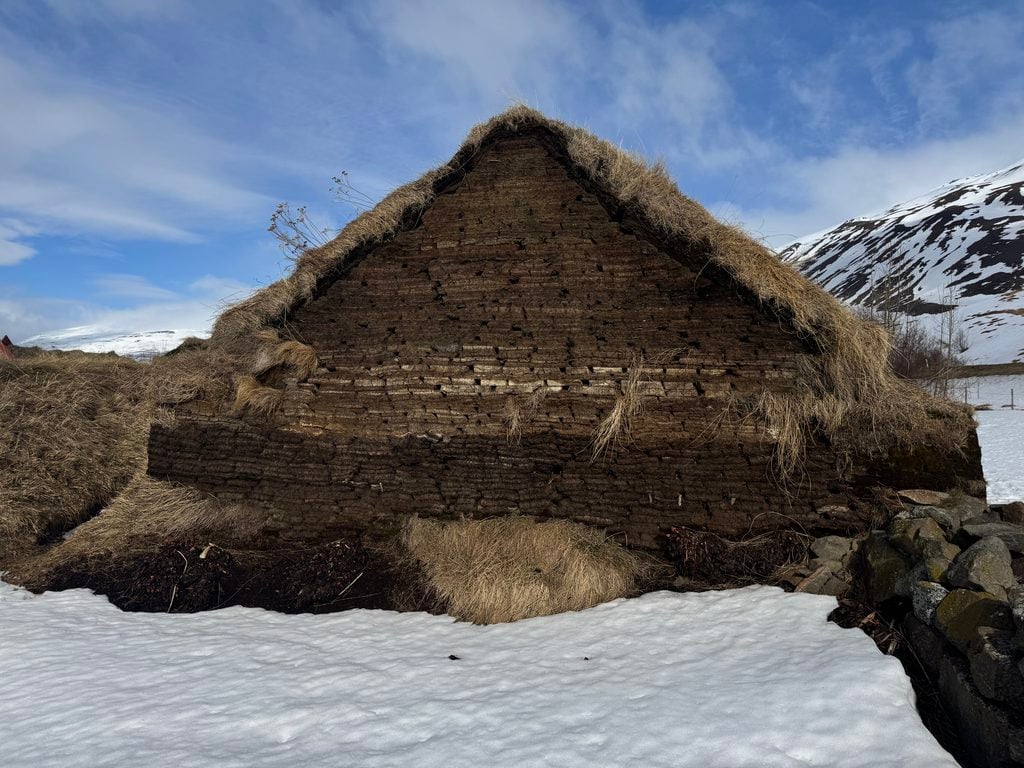
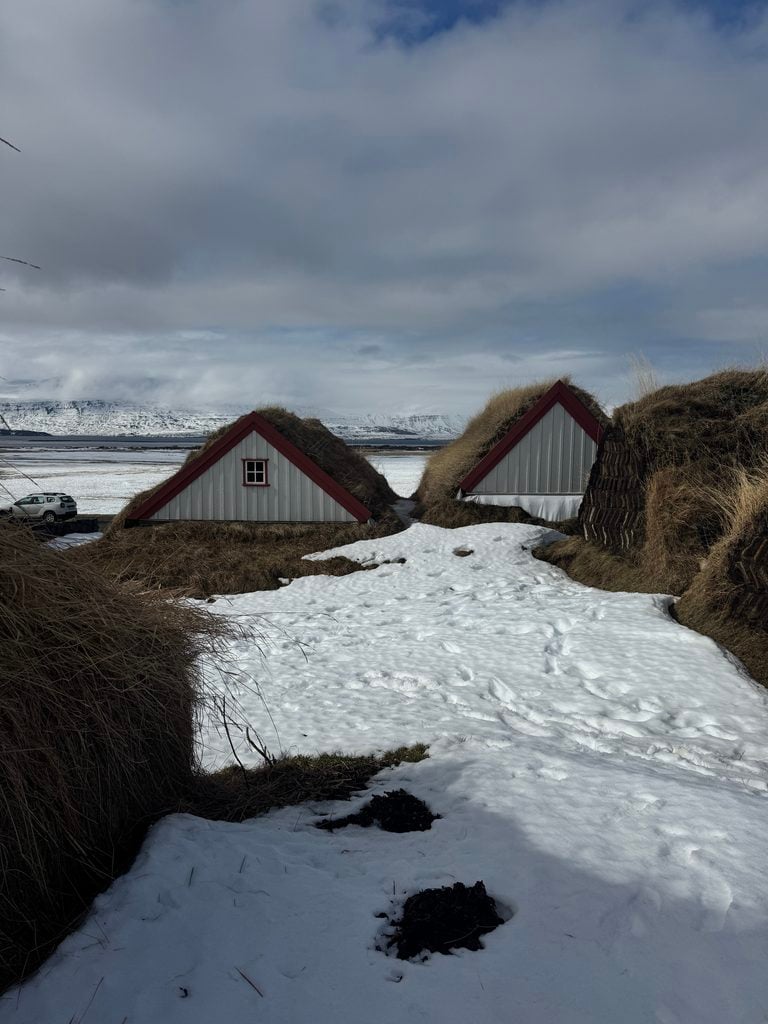
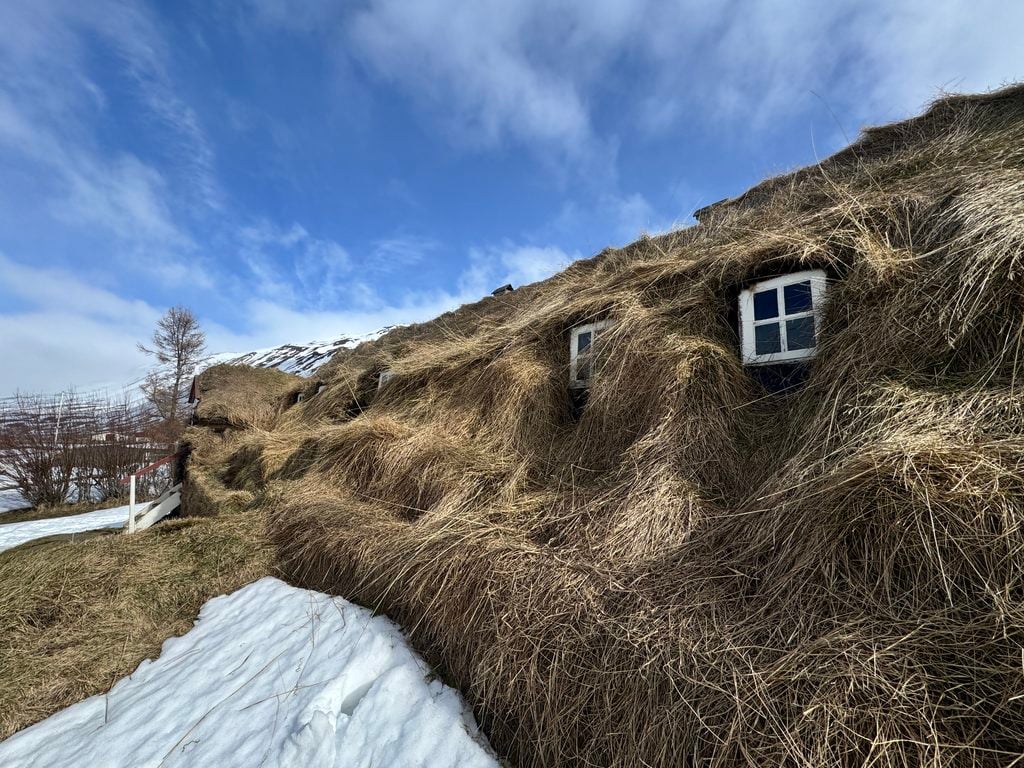
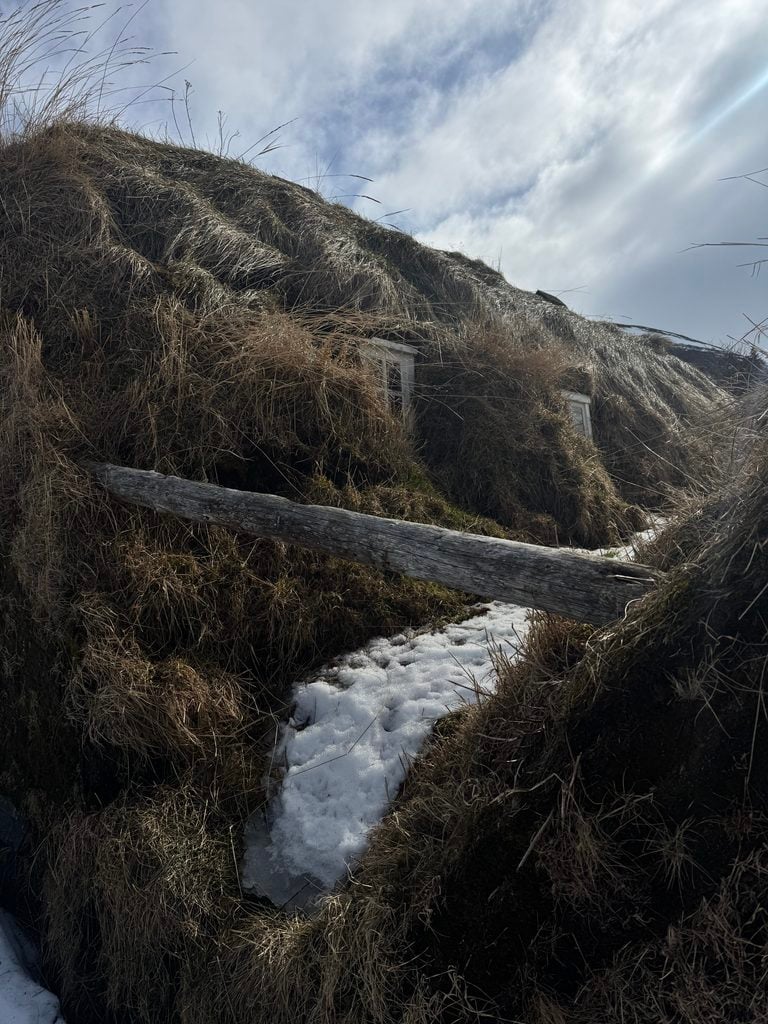
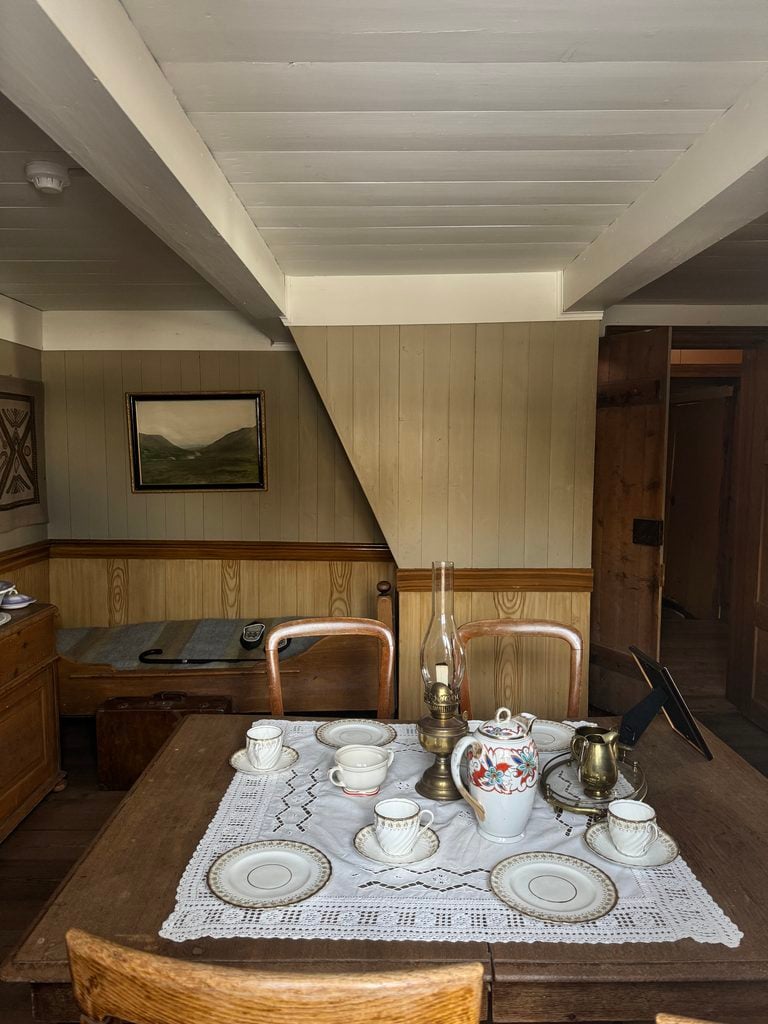
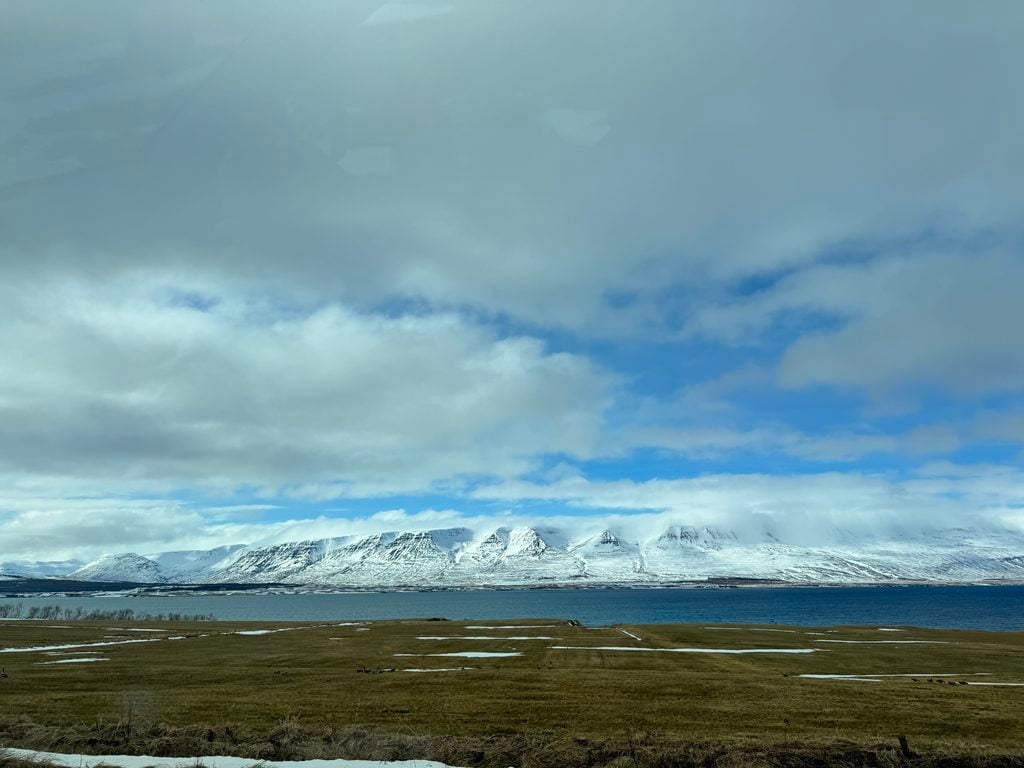
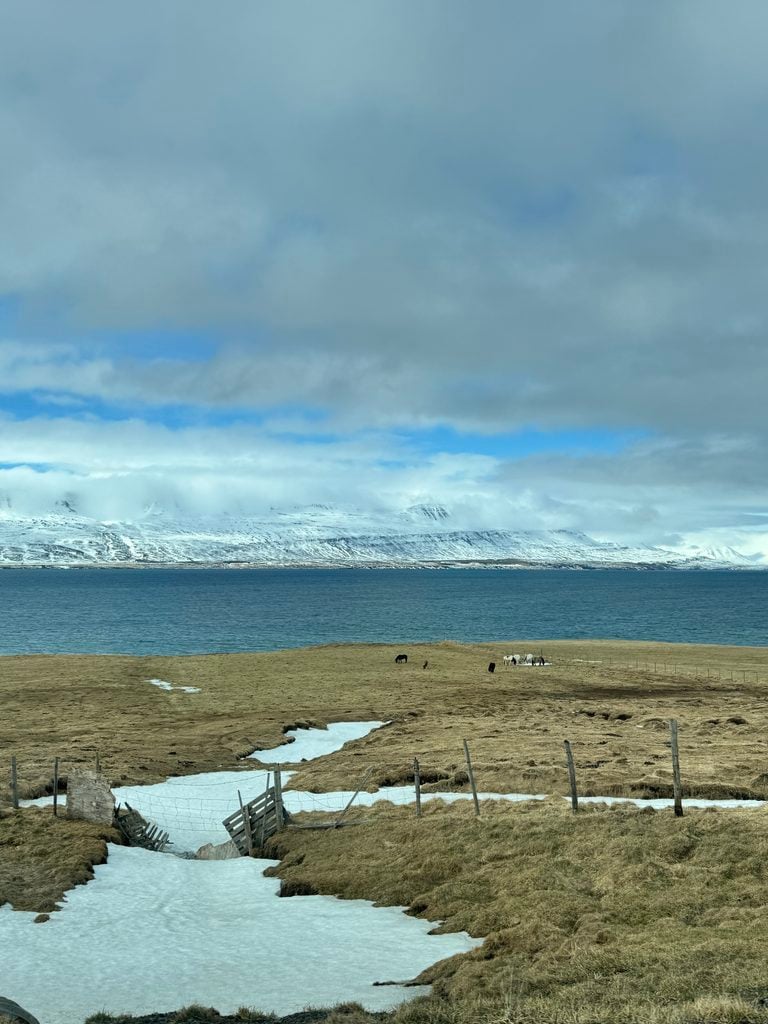
As we continued heading towards Akureyri, the landscape changed again. Compared with the volcanic deserts we’d crossed the contrast couldn’t have been greater.
First Impressions of Akureyri
By early afternoon we rolled into Akureyri. Iceland’s second-largest urban centre almost felt like a metropolis.
Of course, by international standards it remains delightfully small.
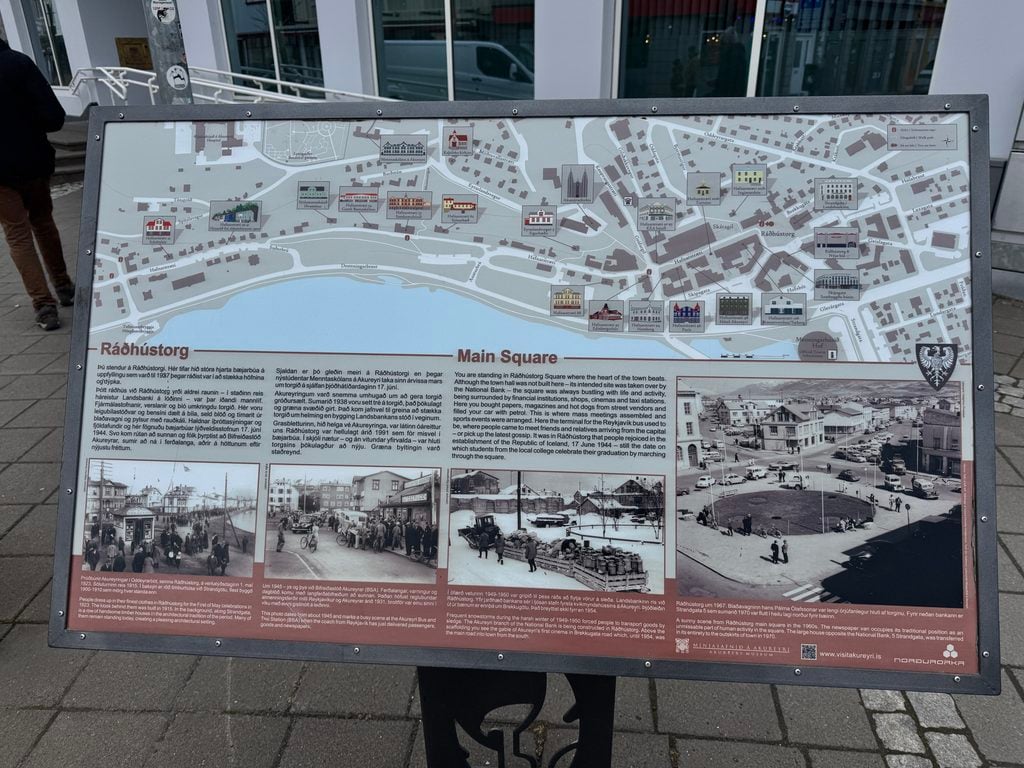
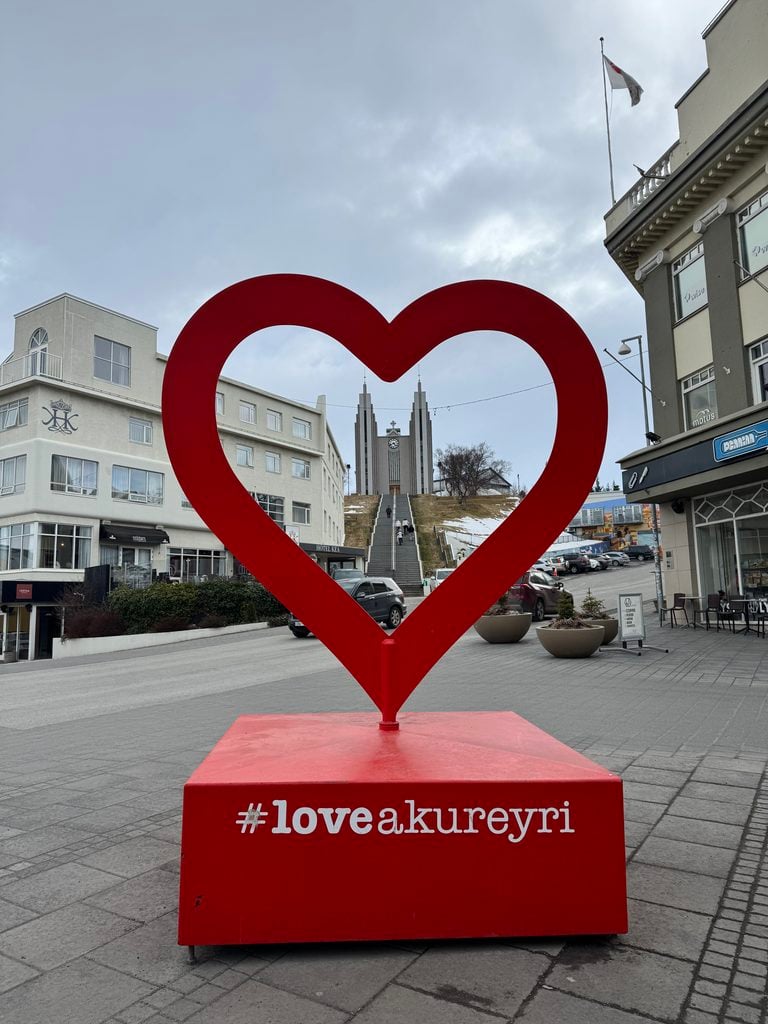
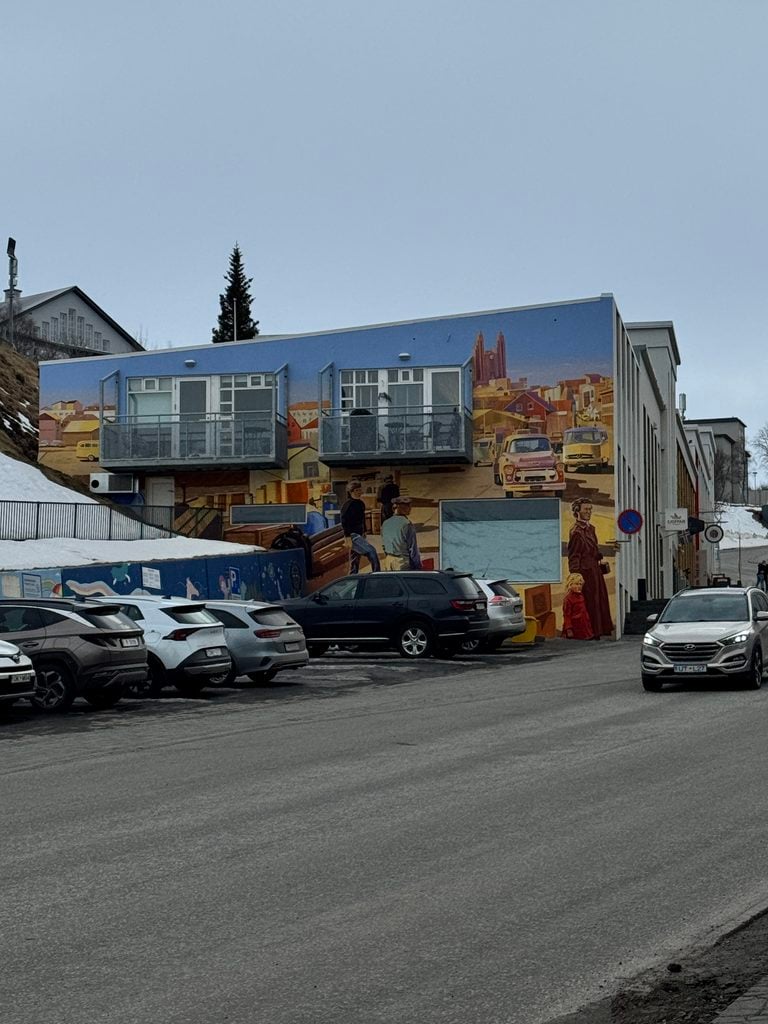
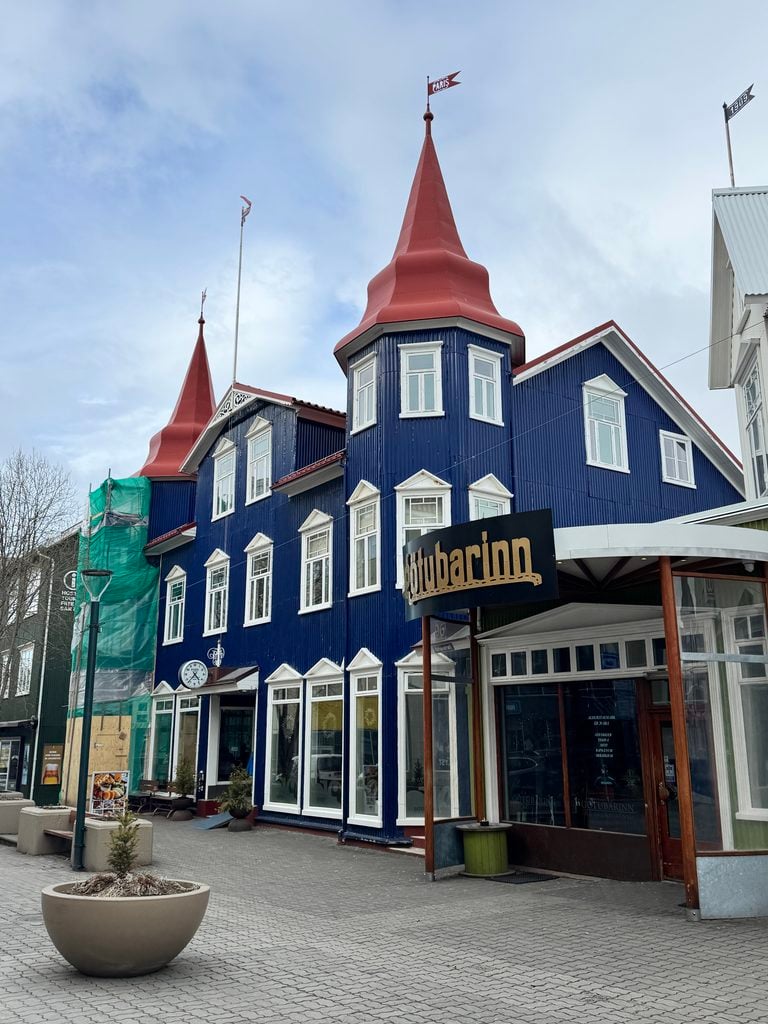
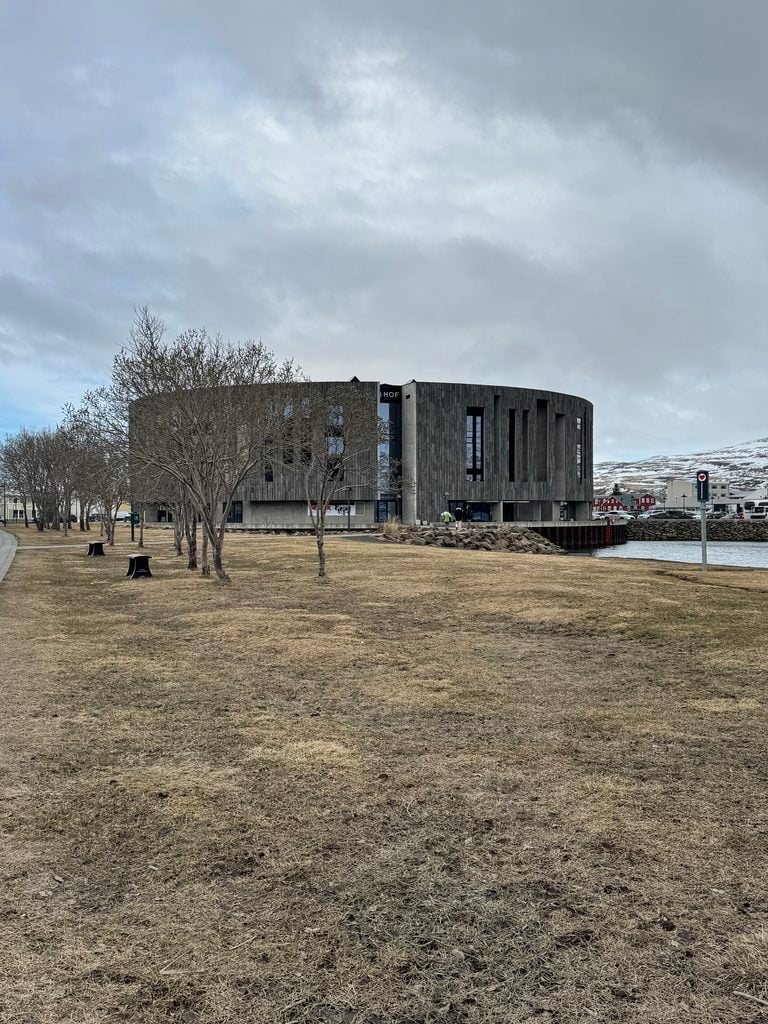
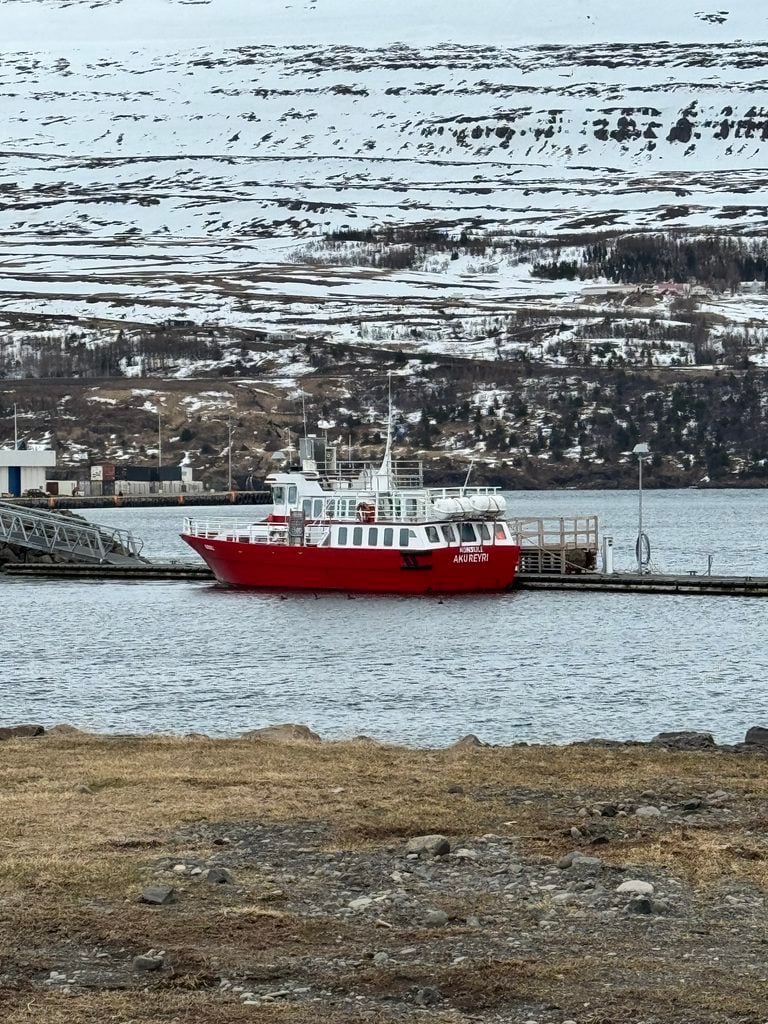
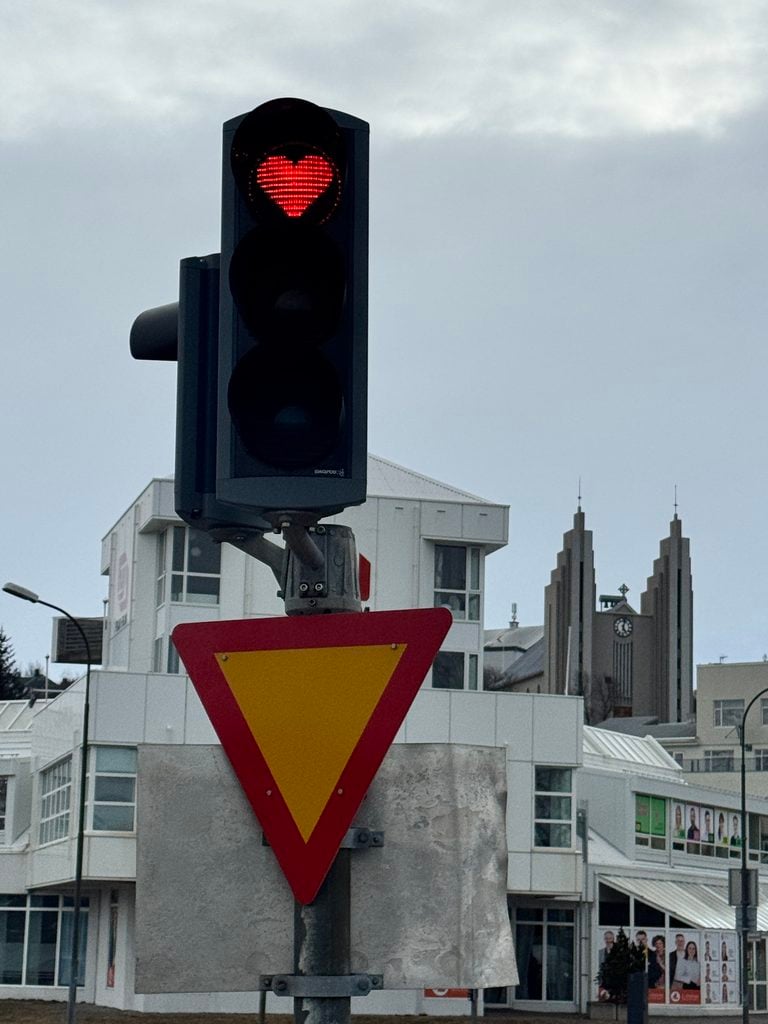
People actually seemed to be in no particular hurry.
It was immediately like able.
Often described as the “Capital of North Iceland,” Akureyri combines the friendliness of a country town with the amenities of a small city.
After checking into our accommodation, we did exactly what we’d come to enjoy most.
We wandered.
No schedule.
No deadlines.
No particular destination.
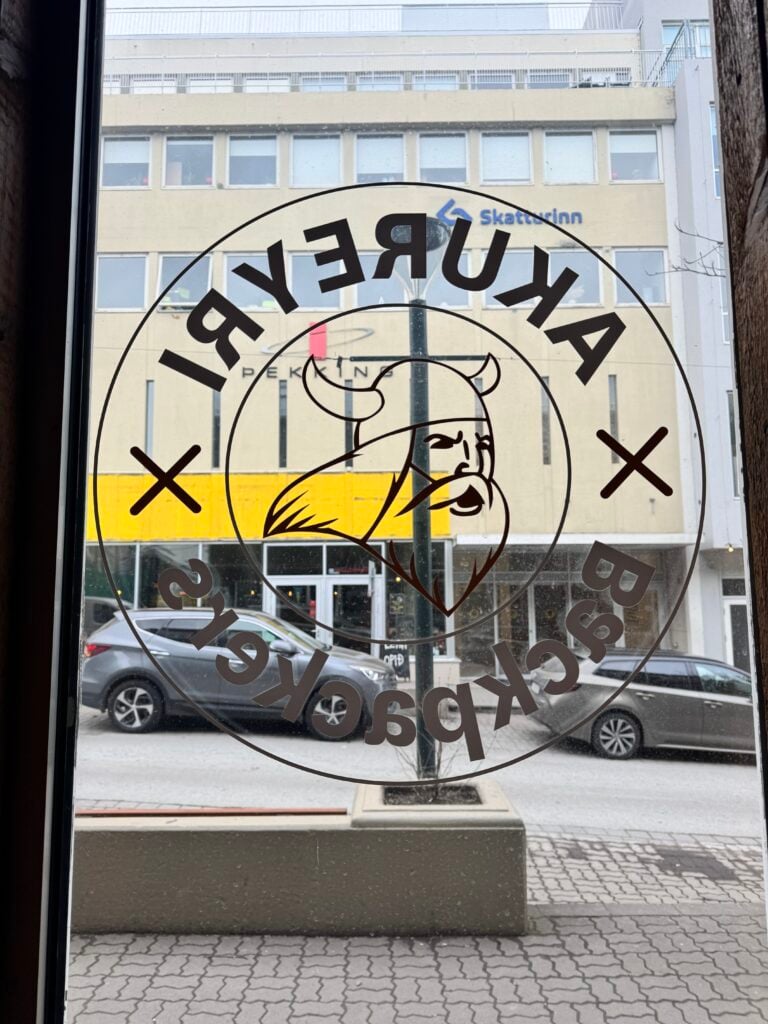
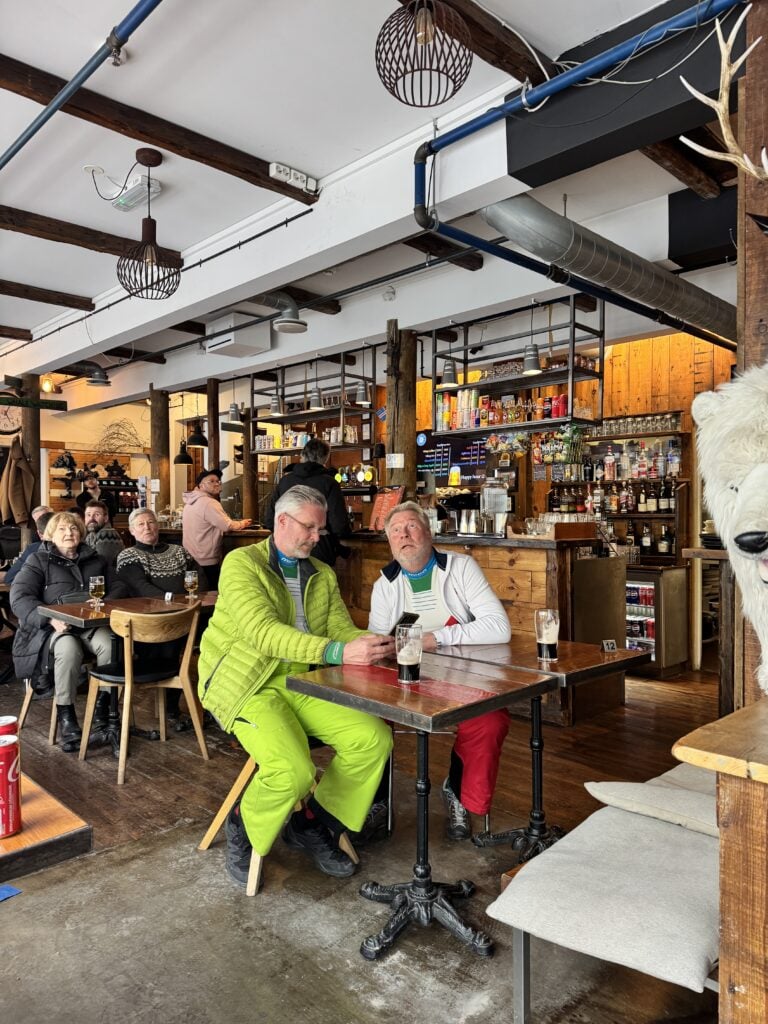
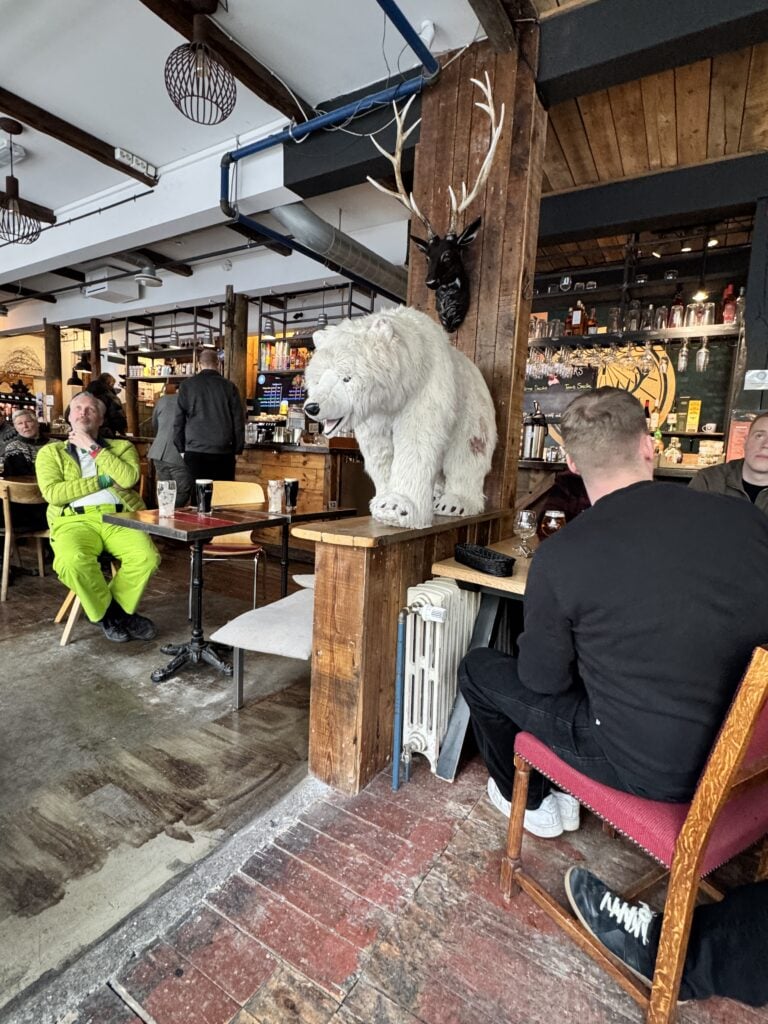
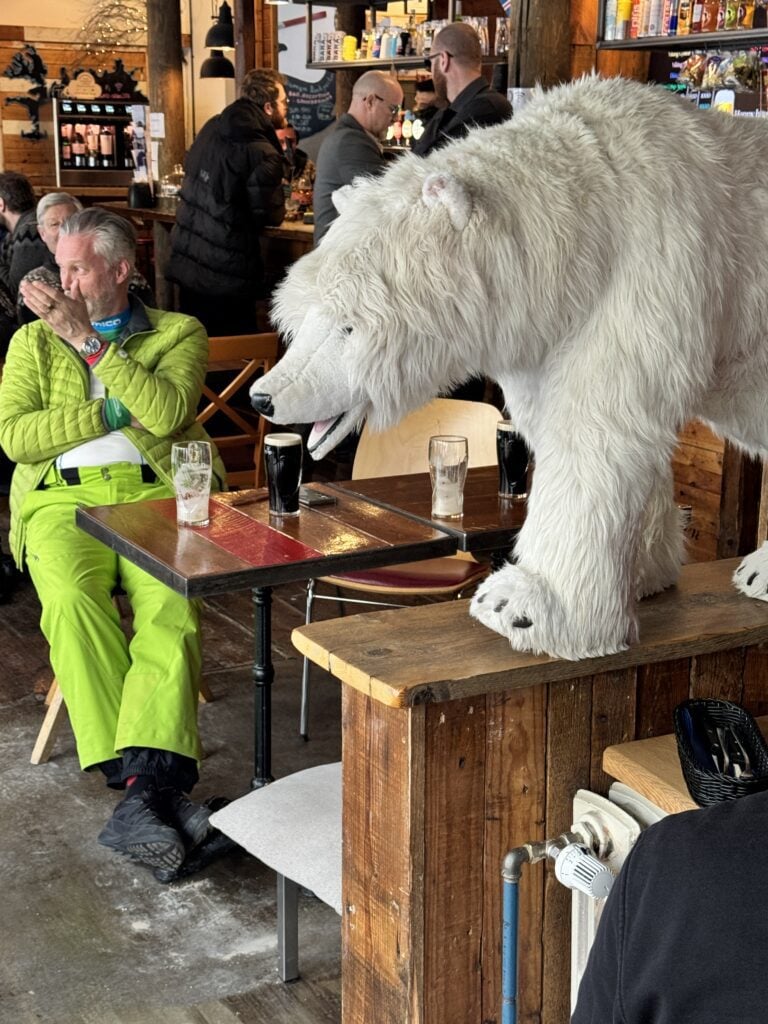
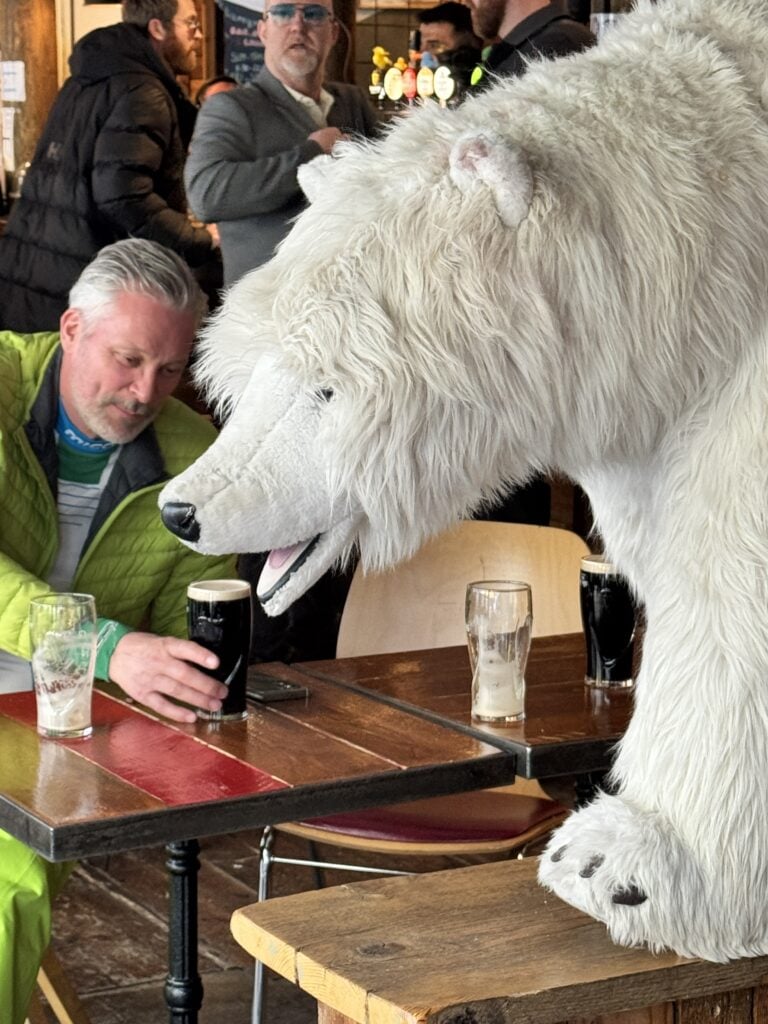
The day we arrived the locals were at their favourite watering holes watching the footy. We headed to the Backpackers for a couple of cold beers and join in with the throng in cheering on their team.
A Chance to Slow Down
After six consecutive days of constantly moving, Akureyri provided something we hadn’t realised we needed.
A breather.
We strolled through the town centre, explored the waterfront and enjoyed a relaxed dinner while reflecting on everything we’d already experienced.
It was difficult to believe we still had another full day of driving ahead.
The Ring Road had exceeded every expectation we’d had before arriving in Iceland.
And somehow, it wasn’t finished yet.
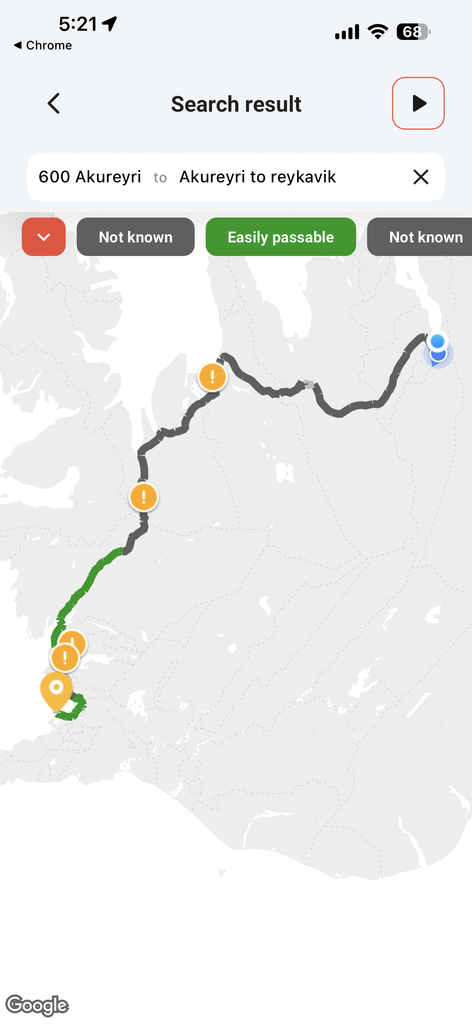
Tomorrow would be our longest driving day.
We’d cross the interior of western Iceland before returning to Reykjavík.
The weather forecast looked… interesting.
Again.
Highlights
Walking among the fascinating pseudo-craters at Skútustaðagígar.
Visiting the magnificent Goðafoss, one of Iceland’s most beautiful waterfalls.
Driving through the peaceful Fnjóskadalur Valley.
Exploring the historic Laufás Turf House.
Arriving in charming Akureyri, Iceland’s northern capital.
Practical Travel Tips
Allow time to walk around Goðafoss from different viewpoints—each offers a different perspective of the falls.
Laufás Turf House provides wonderful insight into traditional Icelandic life and is well worth adding to your itinerary.
Akureyri is an excellent place to restock supplies, enjoy a relaxed meal and recharge before tackling the long drive back towards Reykjavík.
If you’ve been constantly sightseeing, consider leaving part of the afternoon unscheduled. Akureyri is best enjoyed at a leisurely pace.
Driving Route:
Lake Mývatn → Skútustaðagígar → Goðafoss → Fnjóskadalur Valley → Laufás Turf House → Akureyri
Distance: Approximately 115–140 km
Driving Time (without stops): Around 2–2½ hours. Allow most of the day to enjoy the attractions and spend time exploring Akureyri.
Worth Knowing: Every Region of Iceland Has Its Own Personality
Southern Iceland dazzles with famous waterfalls and black beaches.
The southeast amazes with glaciers and ice lagoons.
The Eastfjords encourage you to slow down.
North Iceland feels welcoming and relaxed, blending volcanic landscapes with fertile farmland and charming towns. Don’t rush through it simply because you’re nearing the end of the Ring Road—it deserves just as much time as anywhere else.
Coming Next: Day 8 — One Last Drive Across Iceland
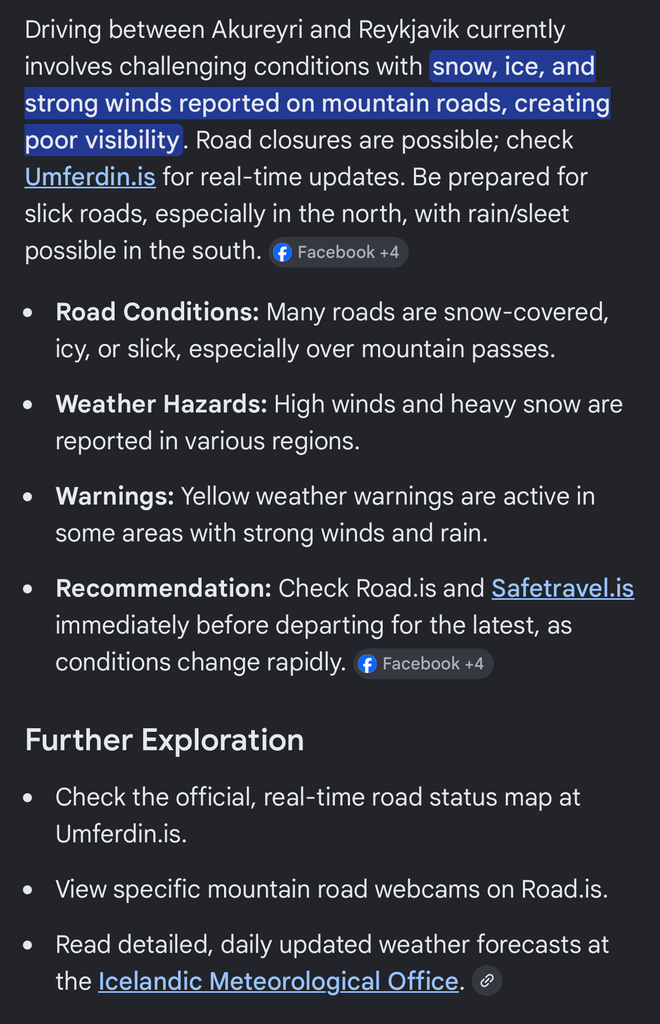
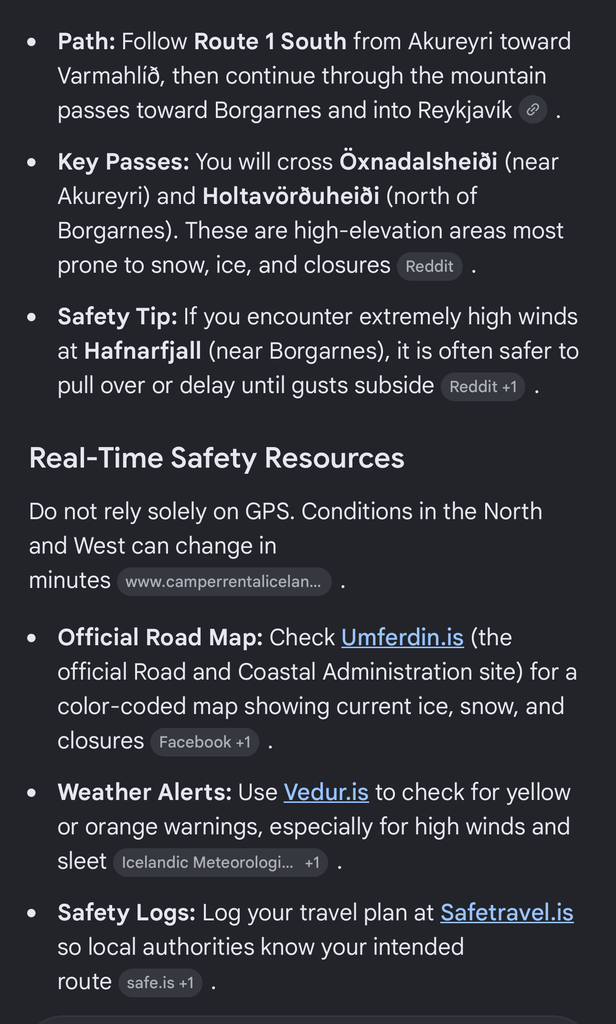
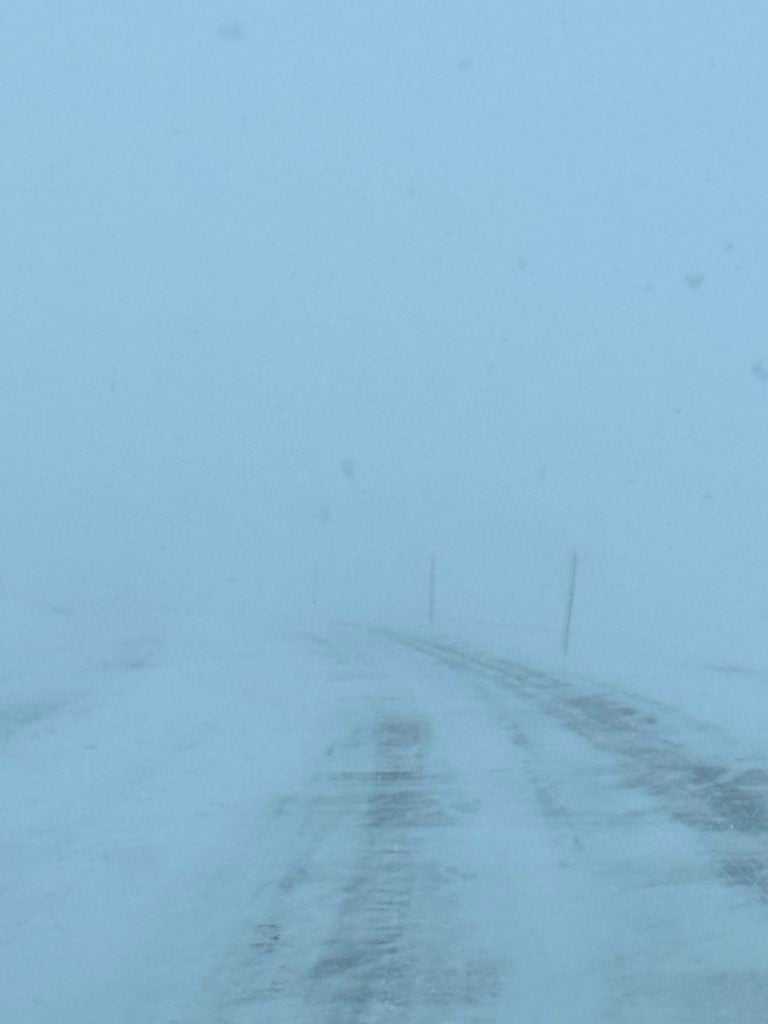
Our final day behind the wheel delivered one last reminder that Iceland always has the final word. We woke to alarming forecasts of snowstorms and road closures, only to watch the weather transform completely as we crossed the country.
Along the way we encountered the famous Icelandic horses, returned to Reykjavík for one last evening, and reluctantly began saying goodbye to a country that had exceeded every expectation.
Images below: what we had to look forward to on our drive back to Reykjavik
Disclaimer:
This blog post is based entirely on our own experiences during our trip to Iceland in April 2026. Everything we share reflects what we personally saw, did, learned and experienced during our holiday.
We have done our best to make sure the information is correct. However, things can change, including prices, road conditions, weather etc. If you are considering travelling to Iceland, we recommend you check current information with official Icelandic sources before making bookings.
Any opinions, recommendations and suggestions shared on Monty&Me are our own.

vicki@montyandme.com.au
Vicki Montague is a freelance writer with a predilection for travel, European fashion, architecture that oozes history and charm, and objects that tell a story. She and her partner John are empty nesters - their three adult children have left the comforts of home to carve out their own paths in life. Vicki’s professional background is in marketing and public relations.

Leave a Reply