
Chasing Iceland’s Waterfalls in April
If waterfalls are your thing, Iceland will steal your heart. I know it stole ours.
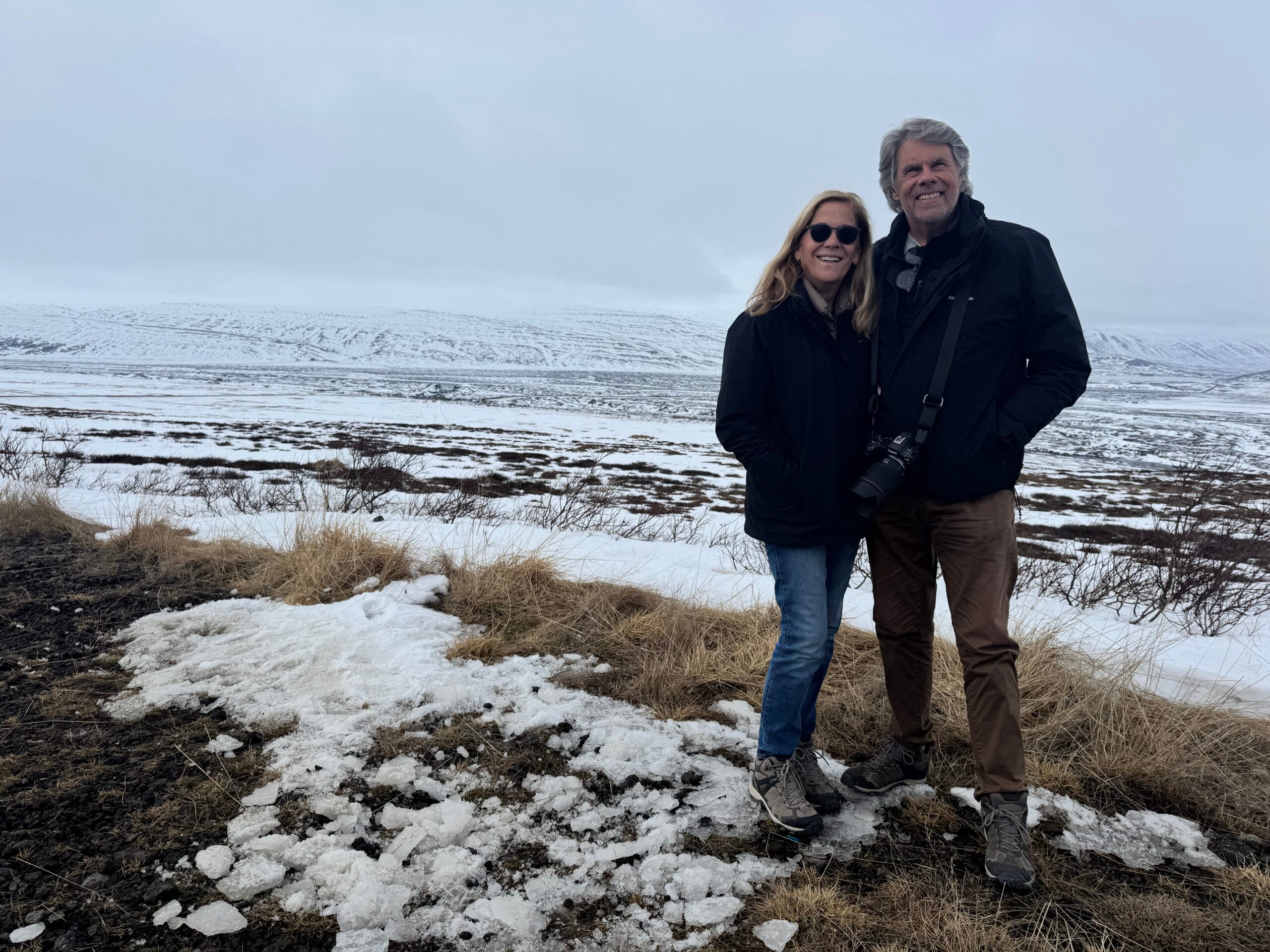
We spent eight unforgettable days in April this year exploring the Land of Fire and Ice. During our self-drive holiday we found ourselves constantly pulling over at roadside viewpoints, hiking into hidden canyons, and standing in awe before some of the most powerful waterfalls we’ve ever seen.
In Iceland, waterfalls aren’t just attractions — they’re part of the landscape. They appear around every corner, tumbling from ancient cliffs, carving through lava fields, and plunging into dramatic river gorges.
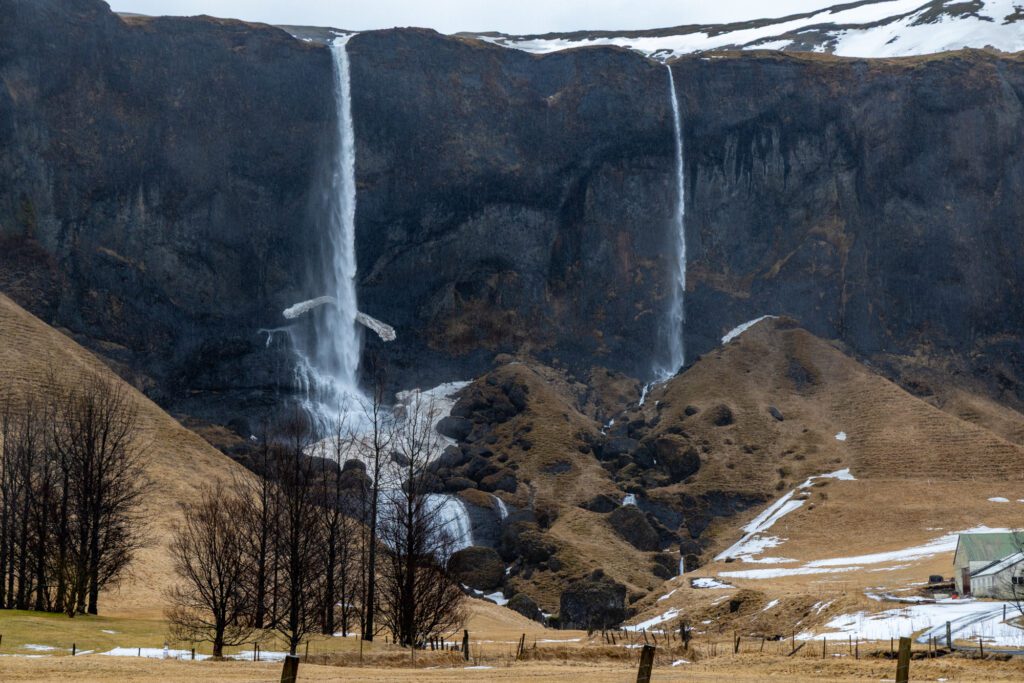
With more than 10,000 waterfalls scattered across the island, seeing them all would take a lifetime. So before leaving home, we created a shortlist of the waterfalls we absolutely didn’t want to miss. Some exceeded every expectation. Others surprised us completely. And a few became highlights of our entire Iceland adventure.
Our favourites? Seljalandsfoss, the hidden Gljúfrabúi, mighty Skógafoss, secluded Kvernofoss, and the historic Goðafoss.
Unfortunately, Iceland reminded us who’s really in charge. Road closures caused by severe weather meant we missed two famous waterfalls that had been high on our wish list — Gullfoss in the Golden Circle and Dettifoss in North Iceland.
But as we quickly learned, flexibility is part of travelling in Iceland.
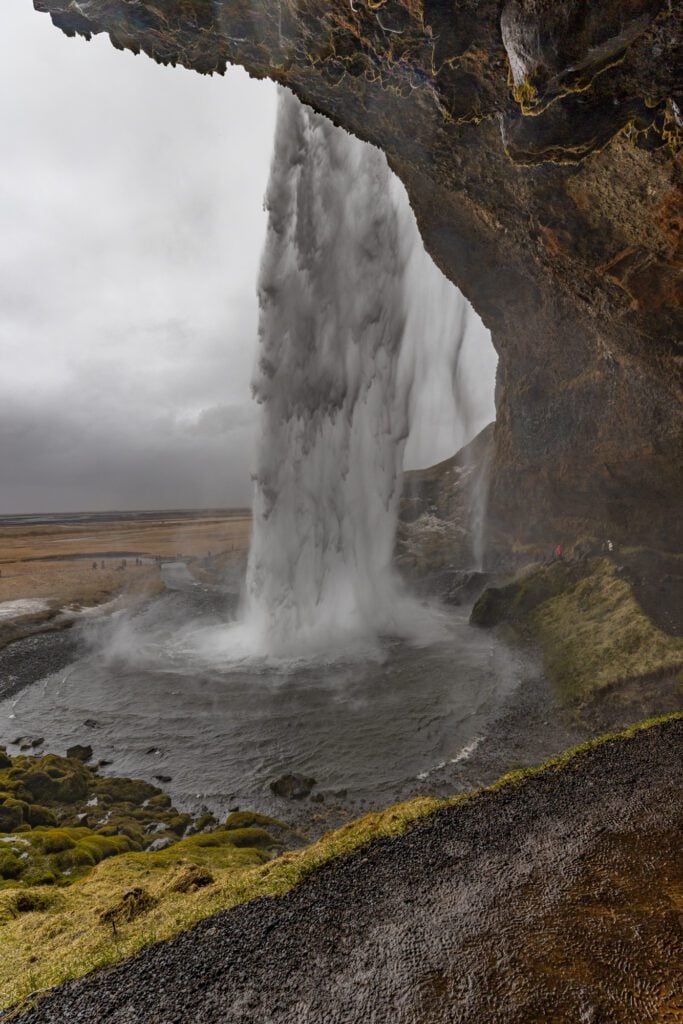
Seljalandsfoss: The Waterfall You Can Walk Behind
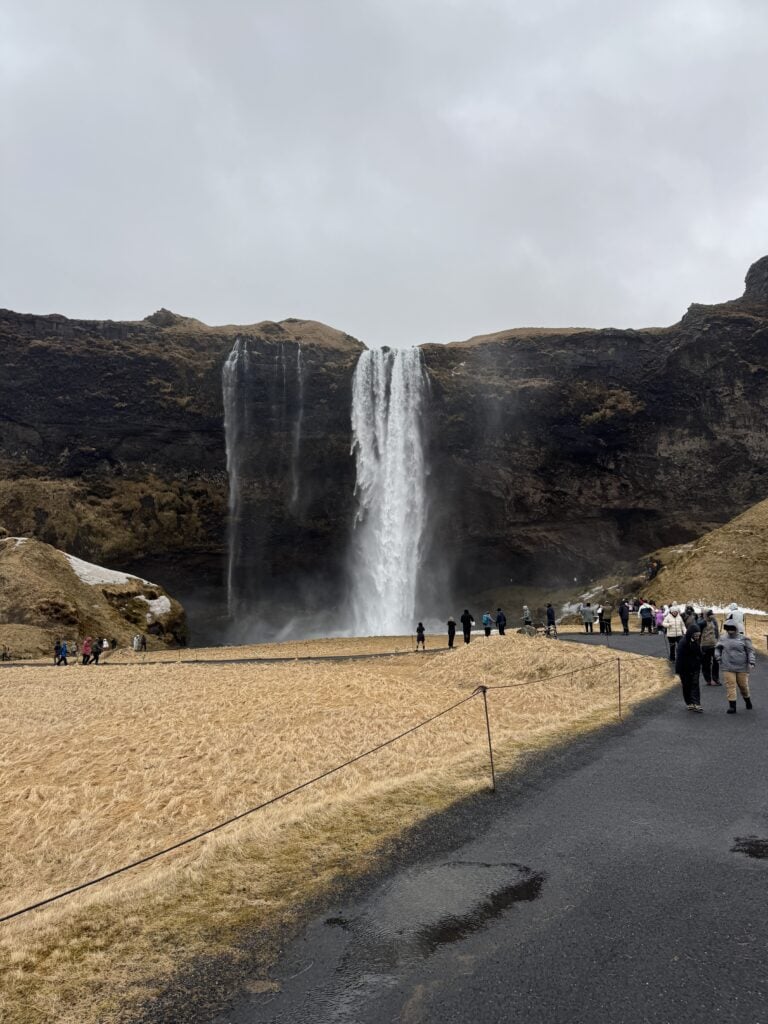
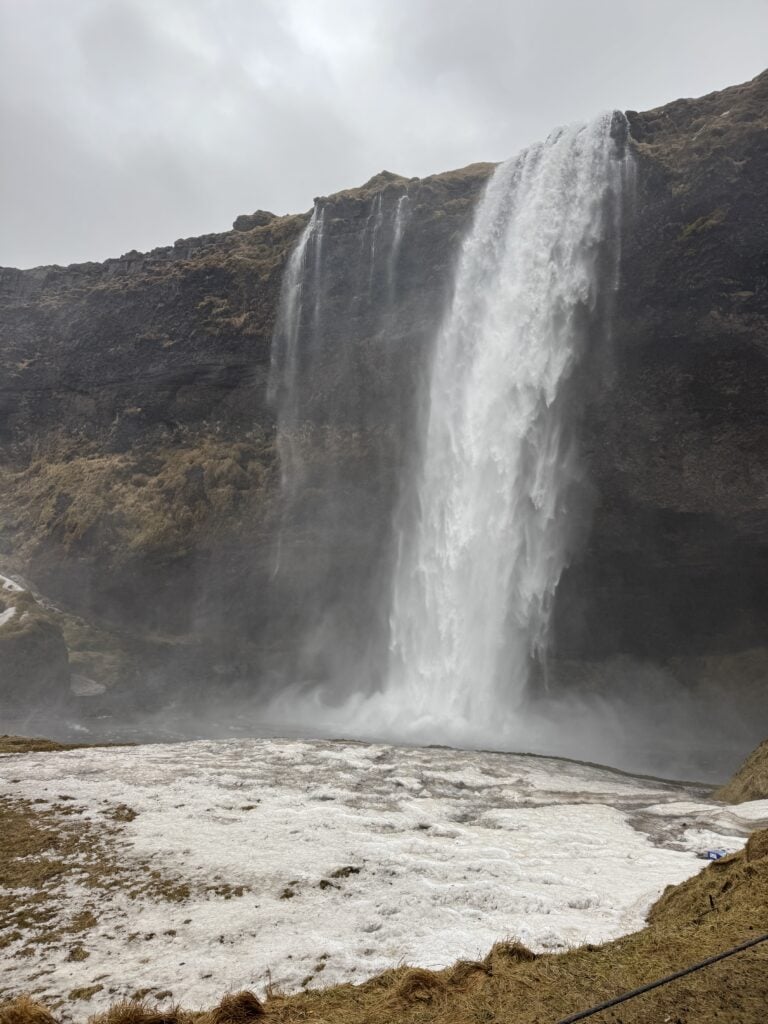
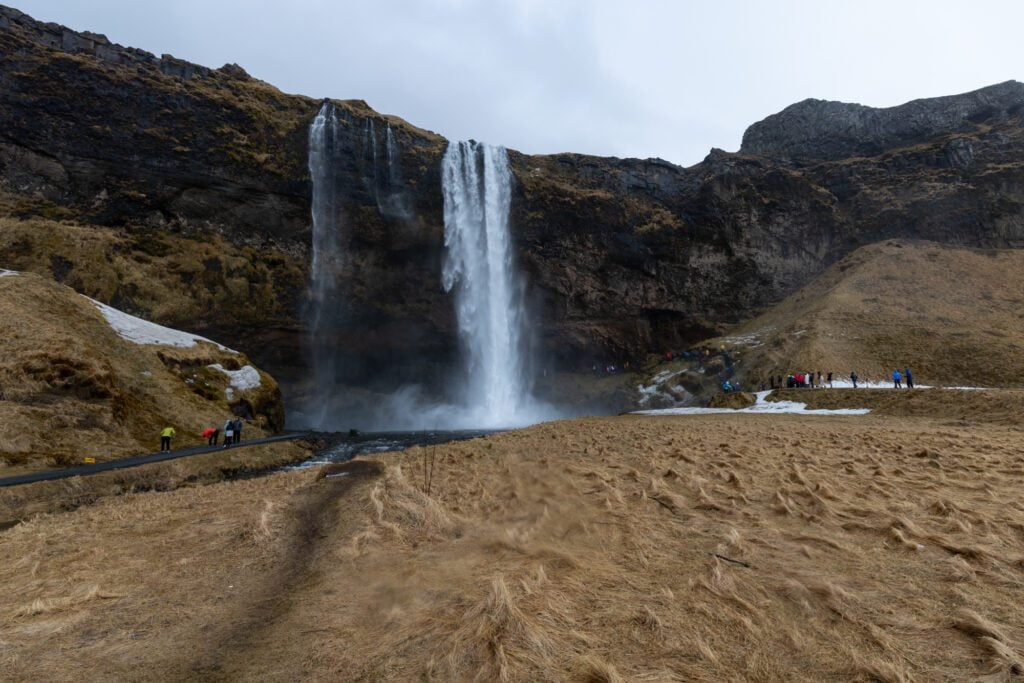
Of all the waterfalls we visited, Seljalandsfoss wasn’t the biggest or the most powerful.
Yet it became my personal favourite.
Why?
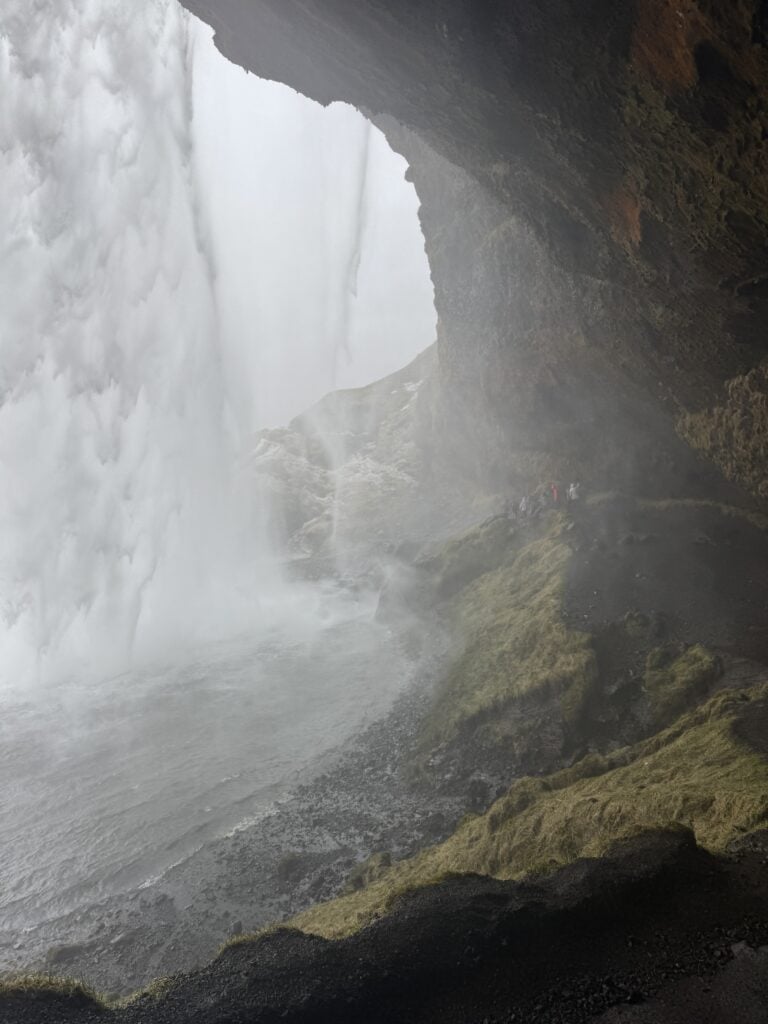
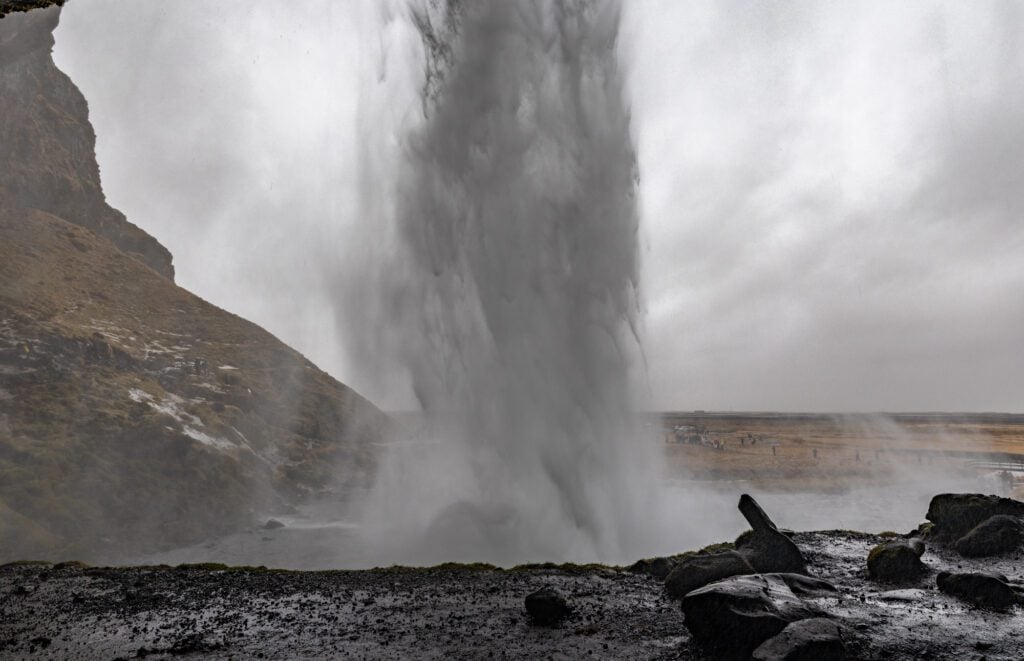
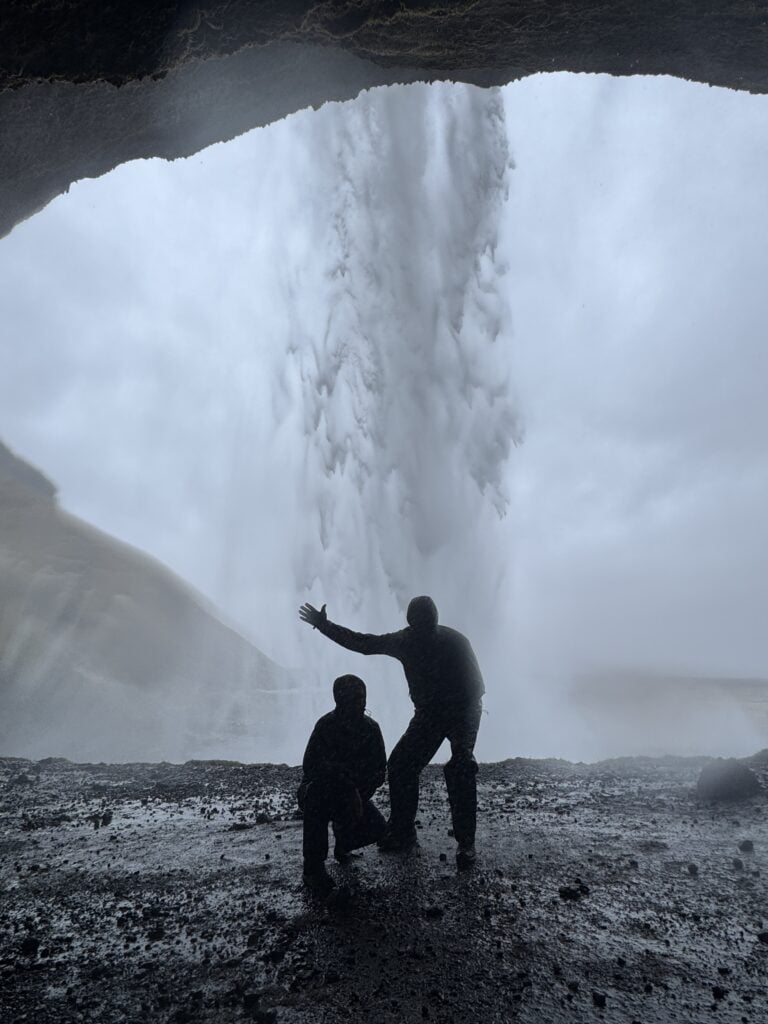
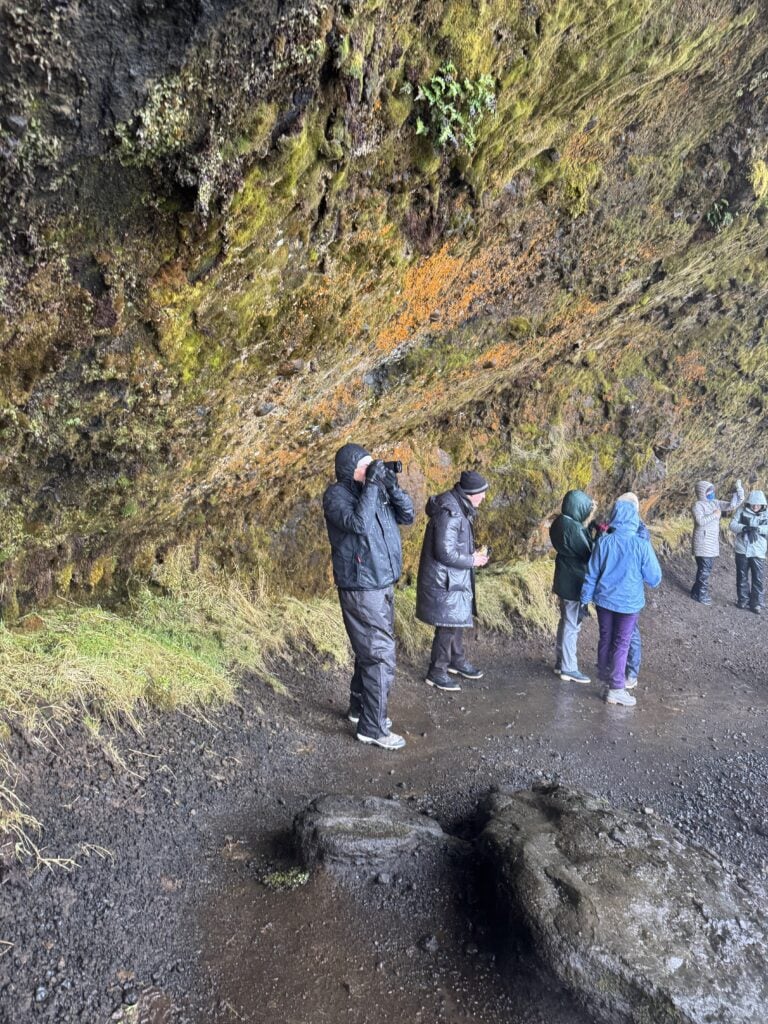
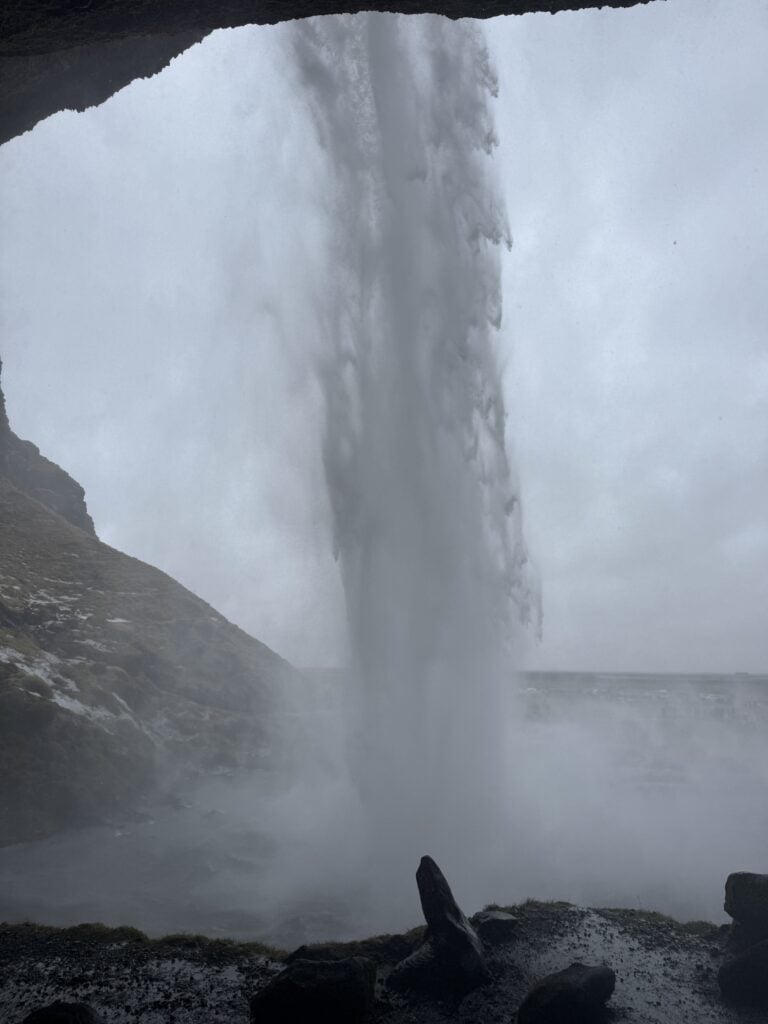
Because few places in the world allow you to walk completely behind a waterfall.
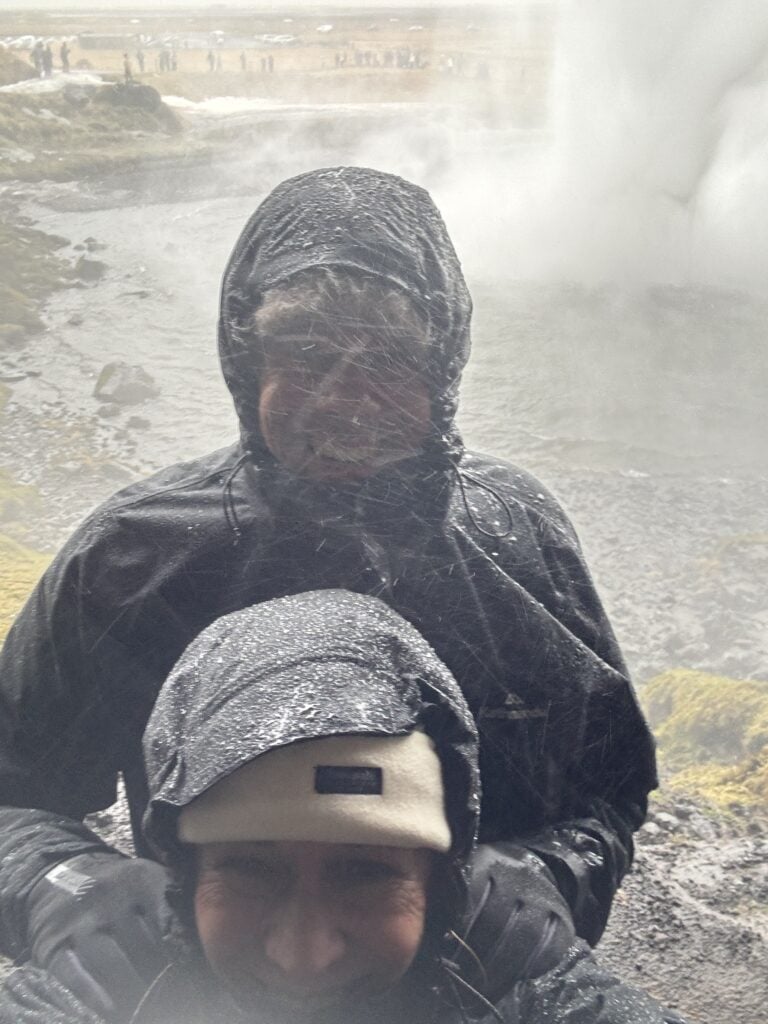
As the water plunges 60 metres from cliffs fed by the Eyjafjallajökull glacier volcano, a circular walking path leads visitors behind the shimmering curtain of water. Standing there, surrounded by mist and the roar of falling water, feels almost surreal.
The easy loop takes around 20 minutes and offers incredible photo opportunities from every angle.
Gljúfrabúi: Iceland’s Hidden Waterfall
Just a short walk from Seljalandsfoss lies one of Iceland’s best-kept secrets.
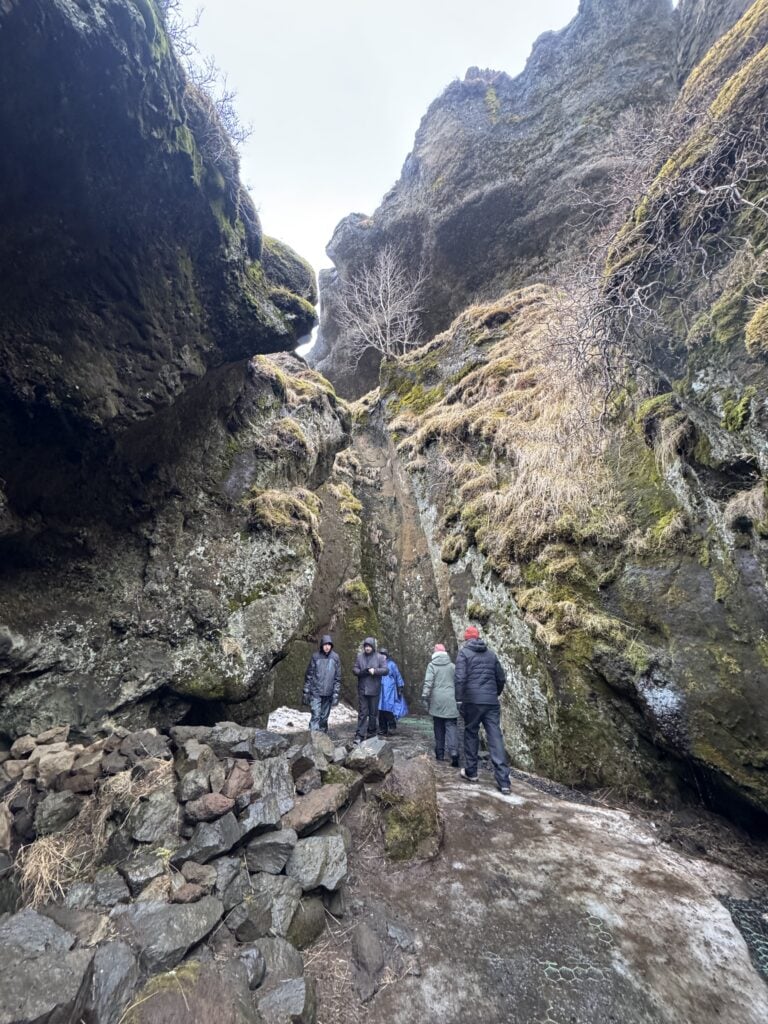
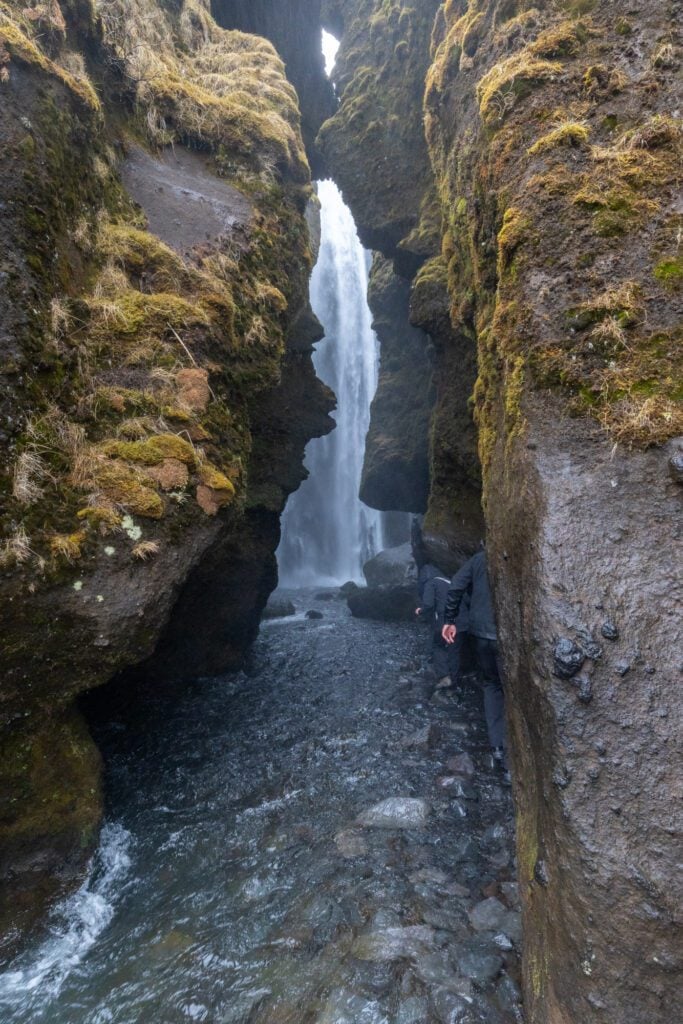
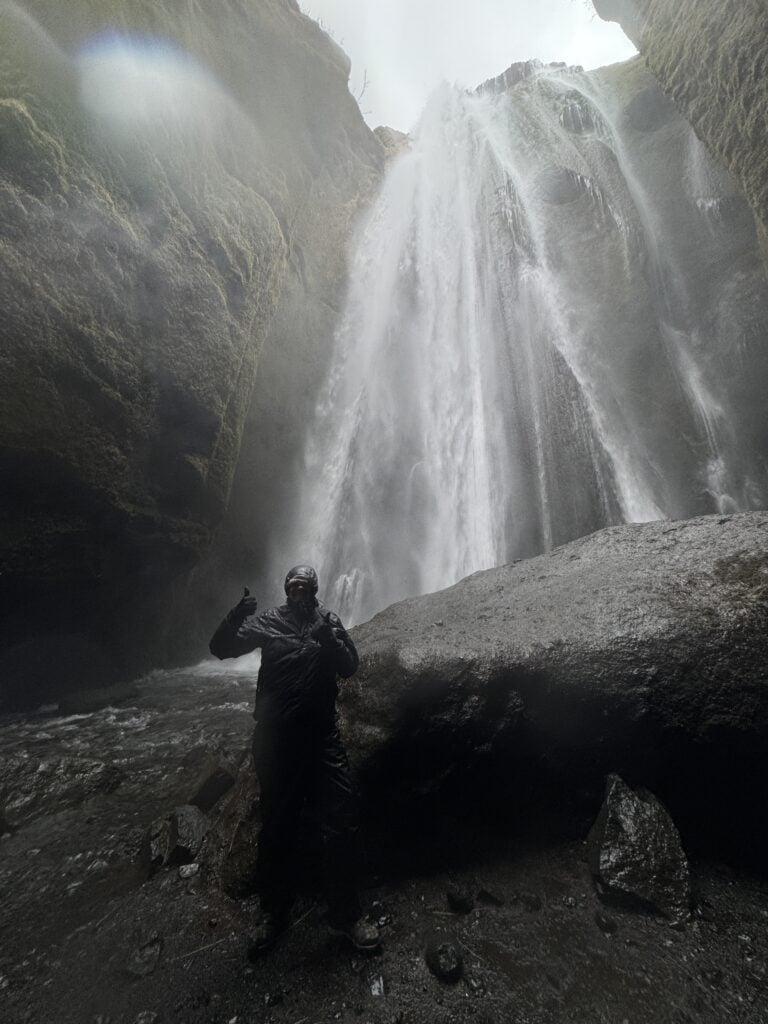
At first glance, Gljúfrabúi appears hidden from view, tucked inside a narrow canyon where only a glimpse of cascading water can be seen between the cliffs. To reach it, you’ll need to step carefully across wet rocks and squeeze through a narrow opening into the canyon itself. Then suddenly, the waterfall reveals itself.
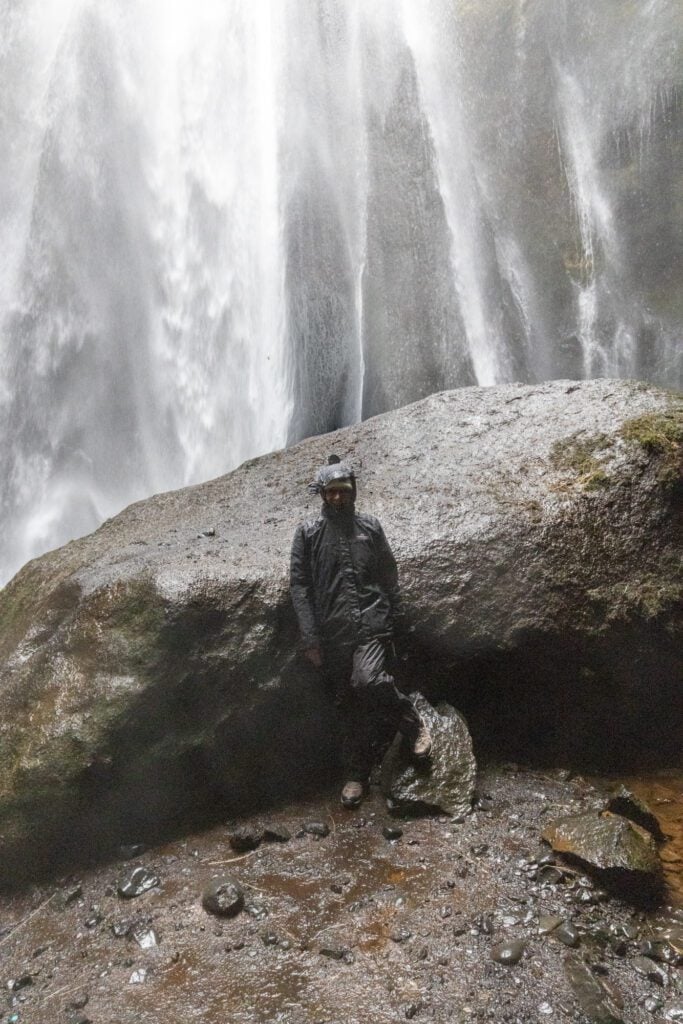
Dropping 40 metres inside a moss-covered cave-like chamber, Gljúfrabúi feels magical — like discovering a secret world hidden from everyone else.
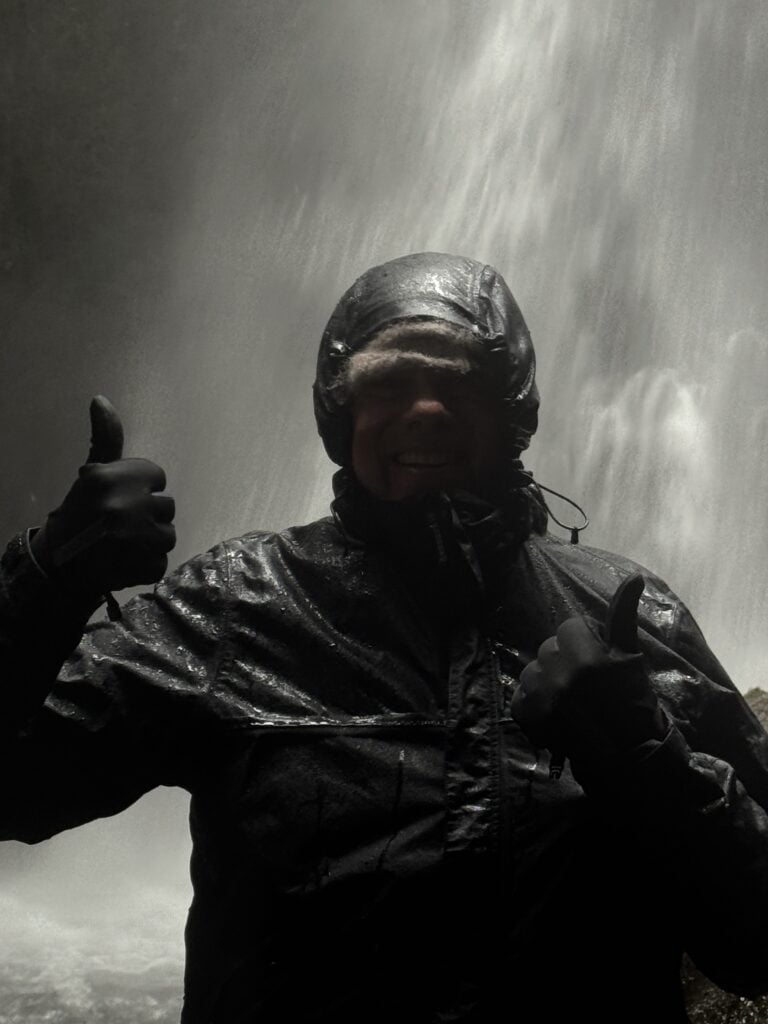
The experience is unforgettable, but be warned: you’re almost guaranteed to get wet. Waterproof boots and waterproof pants are highly recommended.
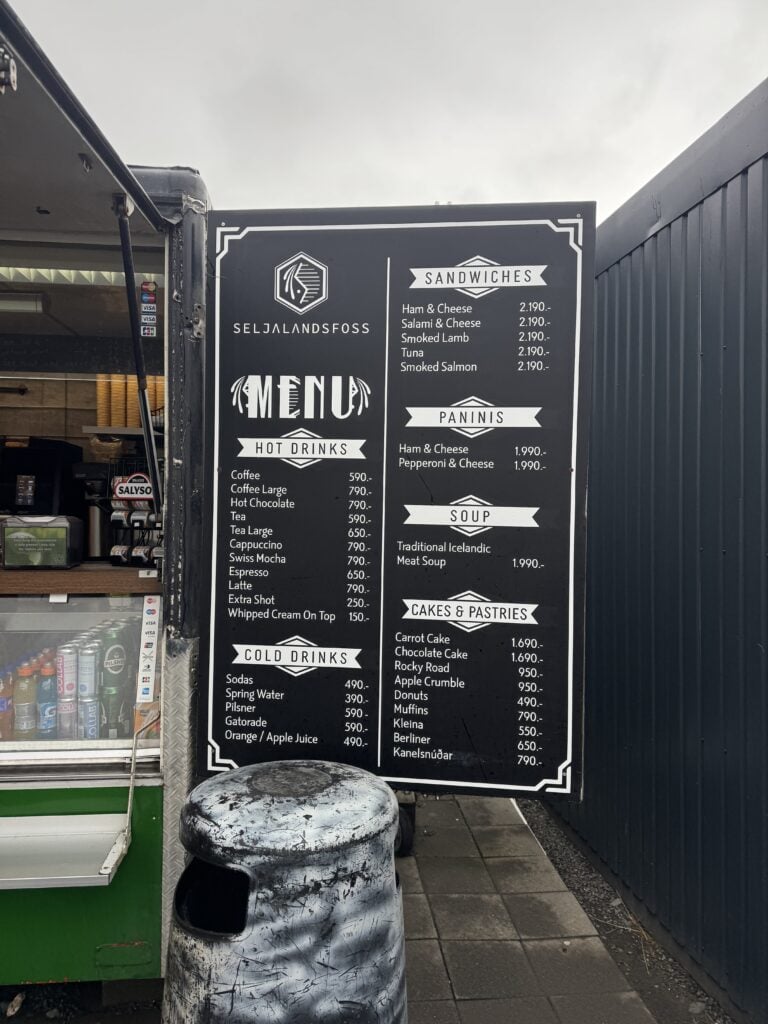
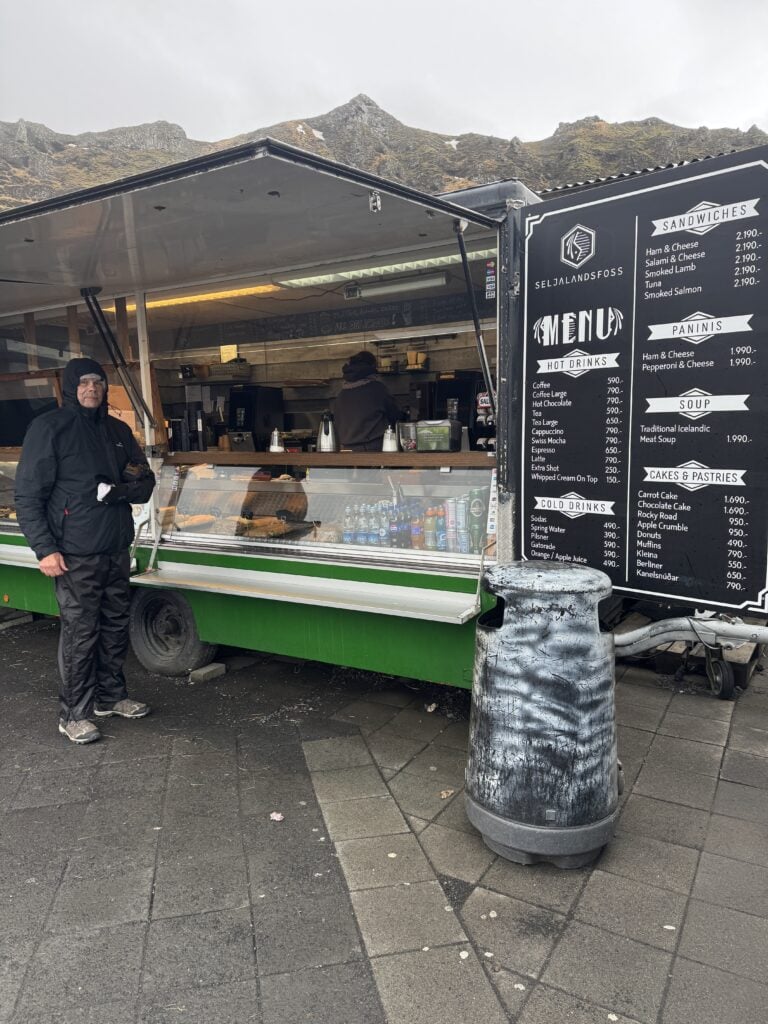
After you’ve visited both waterfalls you’ll be in the mood for a hot drink. Near the parking lot is a van which sells the best hot chocolate!
Skógafoss: Iceland’s Thundering Giant
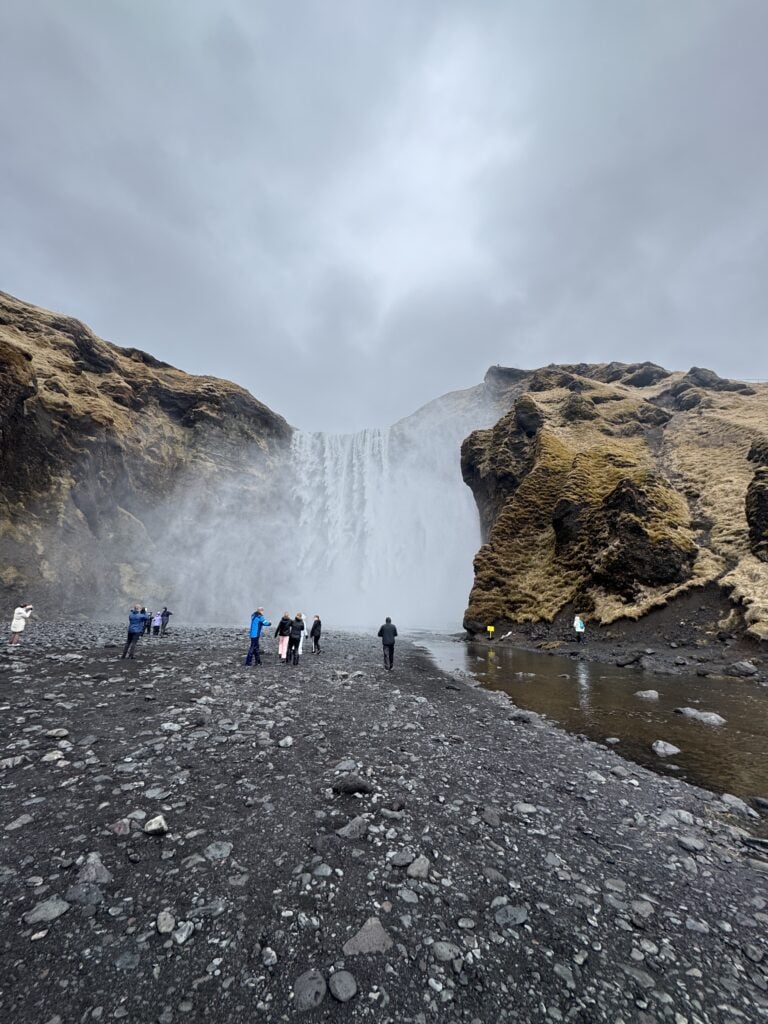
Twenty minutes further east along the South Coast sits one of Iceland’s most iconic waterfalls.
And unlike Seljalandsfoss, Skógafoss makes a dramatic first impression.
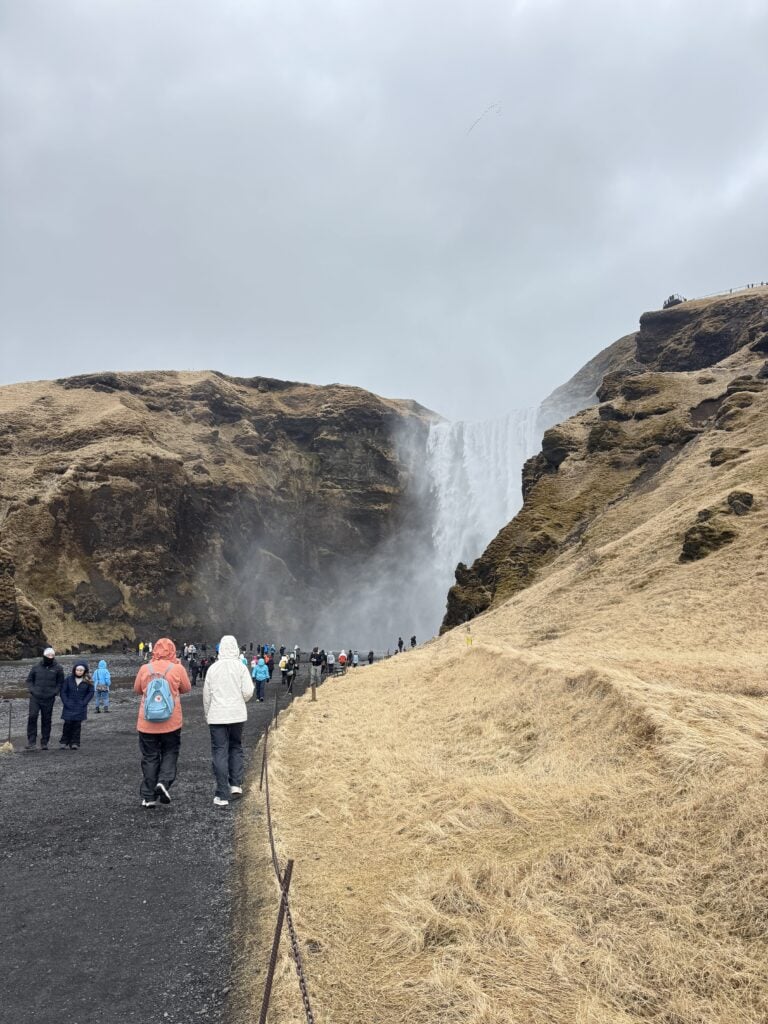
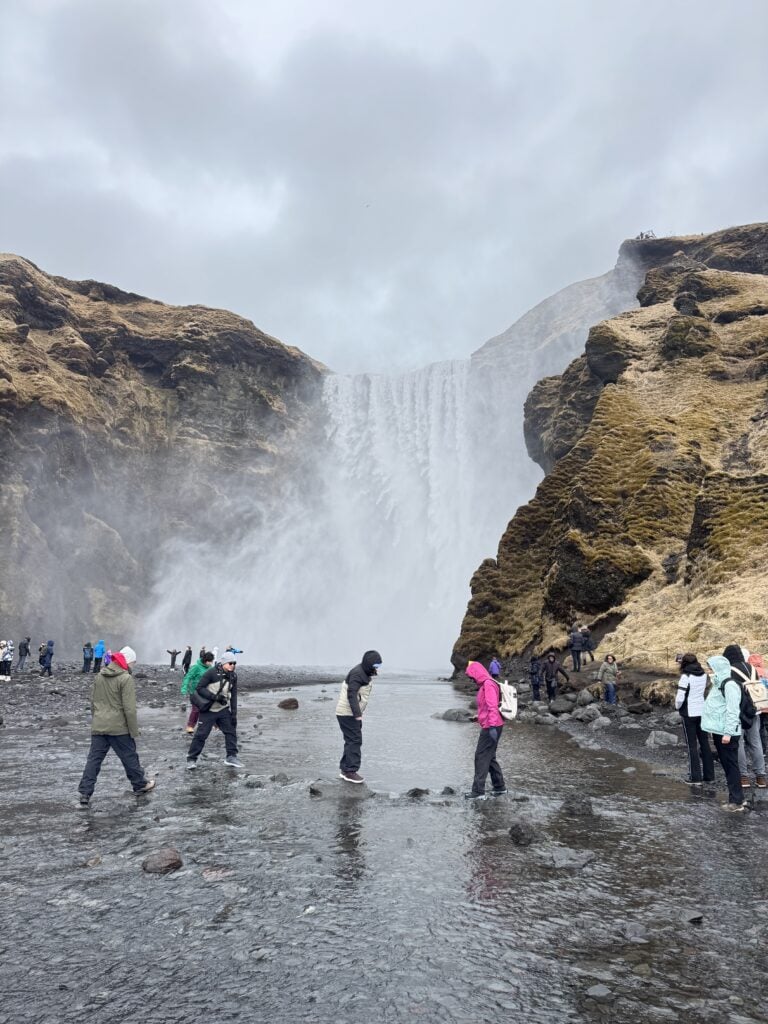
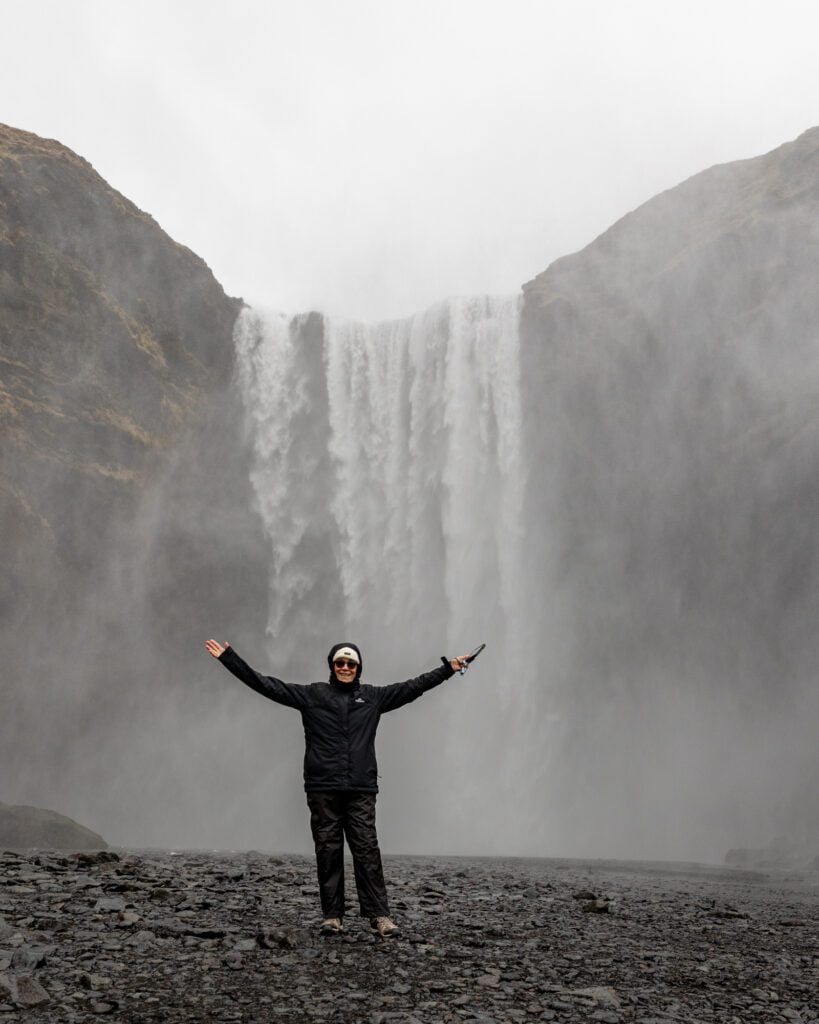
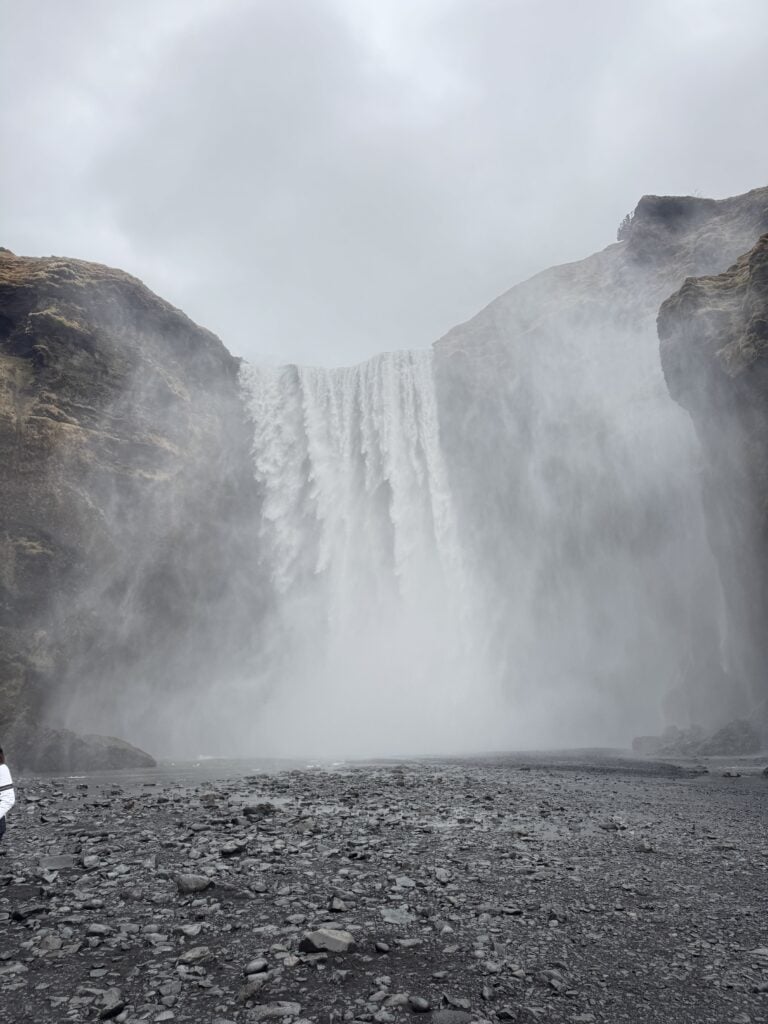
The waterfall crashes 60 metres over a towering cliff spanning 25 metres wide, sending huge clouds of spray across the black gravel plain below. The closer you get, the more you feel its immense power.
Standing at its base is genuinely humbling. Its sheer volume of water makes it one of Iceland’s most powerful waterfalls, and when sunlight appears, rainbows dance through the mist.
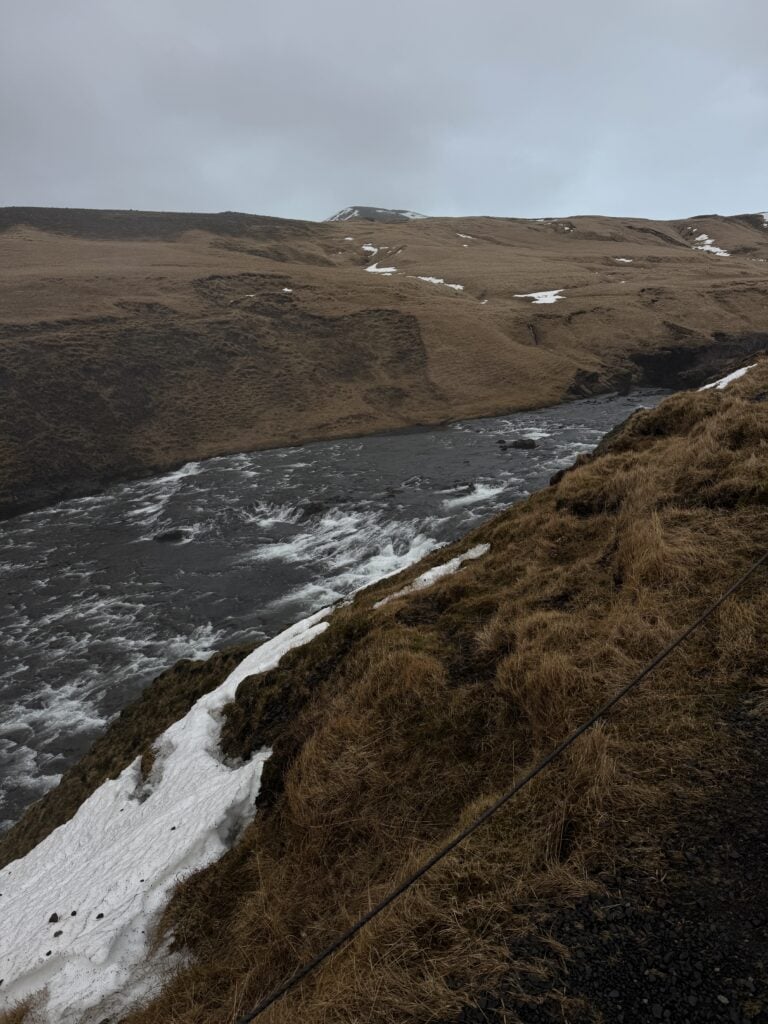
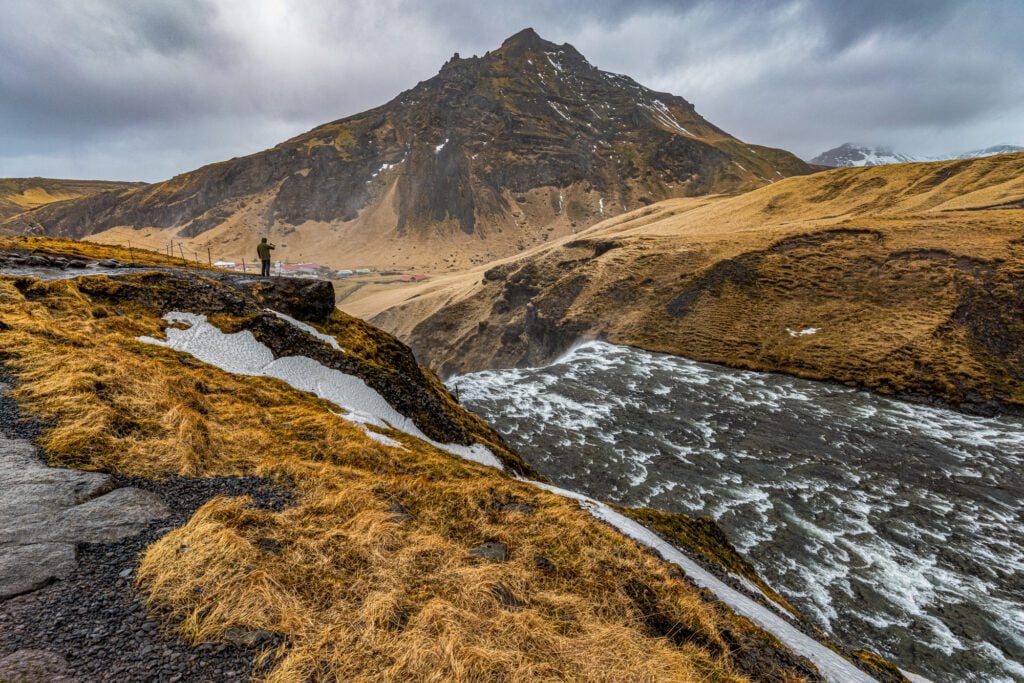
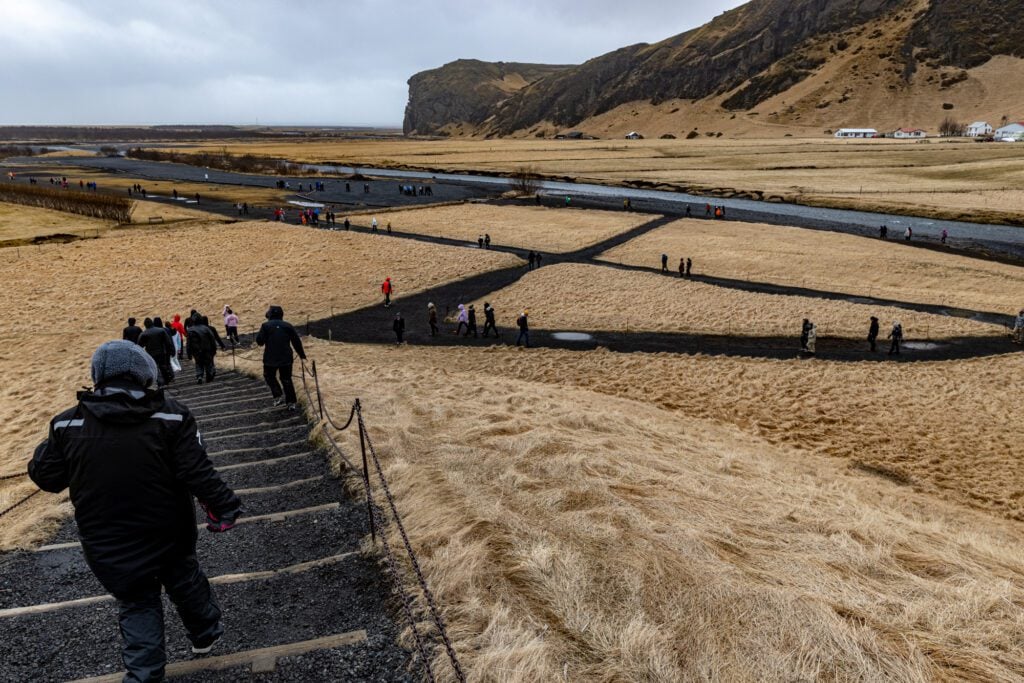
For an entirely different perspective, climb the 527-step staircase to the viewing platform above the falls. The climb is steep but worth every step. From the top, you’ll be rewarded with sweeping views of Iceland’s South Coast and the beginning of the famous Fimmvörðuháls hiking trail that winds through volcanic landscapes toward Þórsmörk.
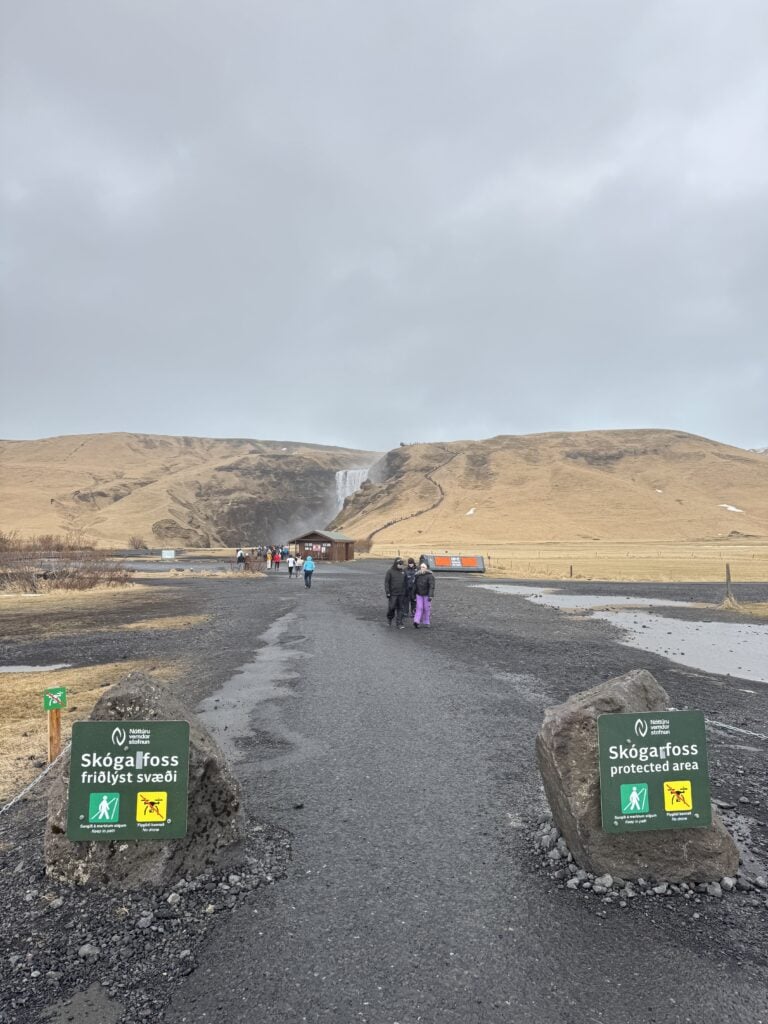
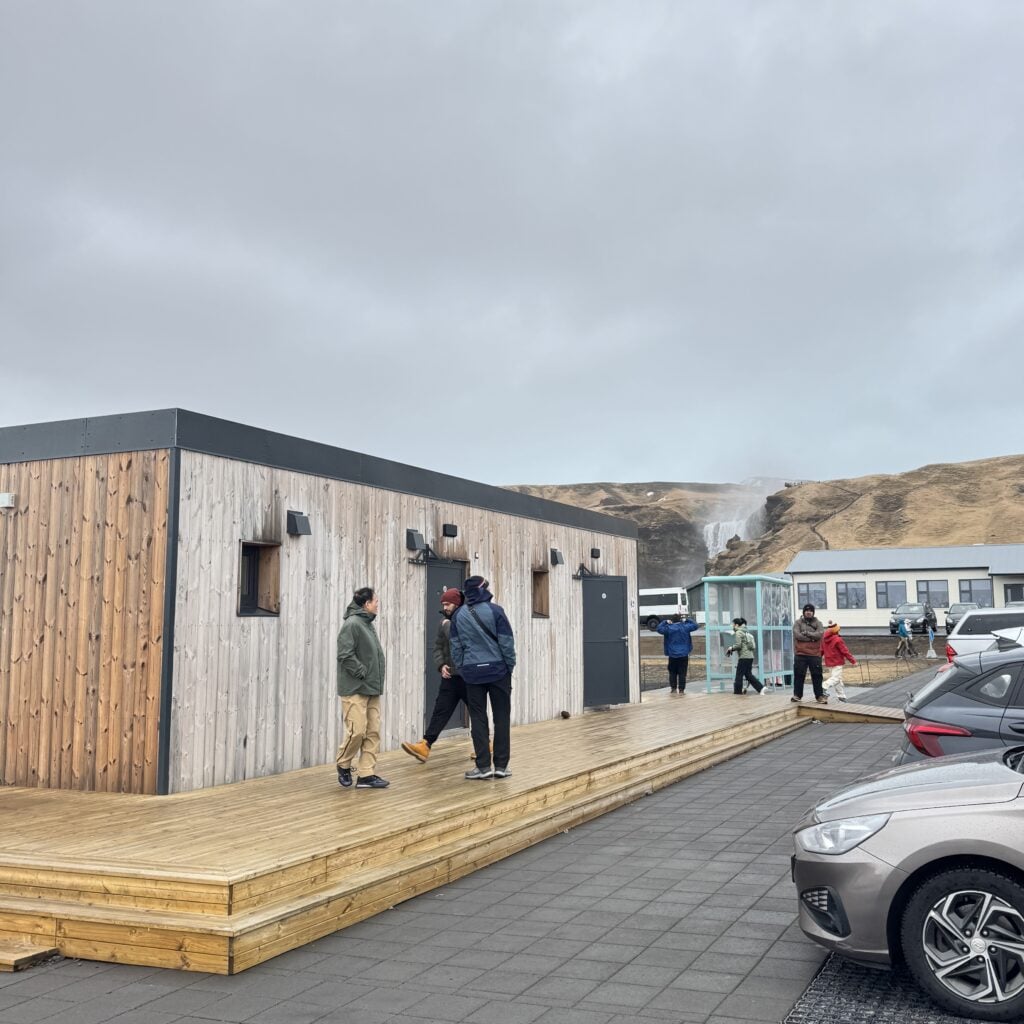
If you’re in need of a ‘pit stop’, Skógafoss’s restrooms will suit your needs. (Image below)
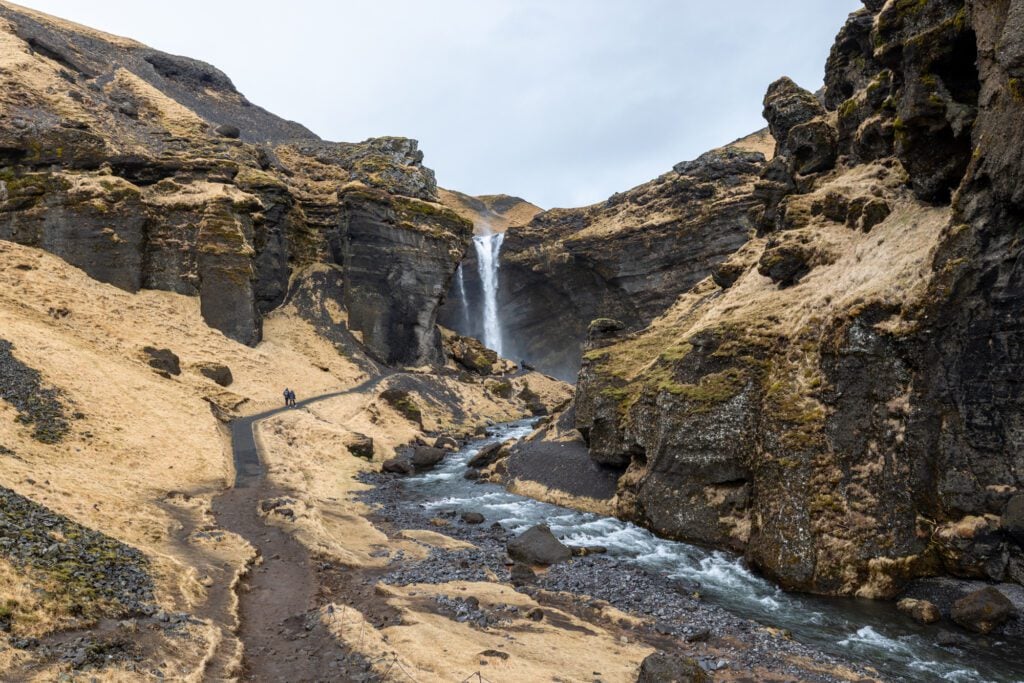
Kvernofoss: The Hidden Gem Next Door
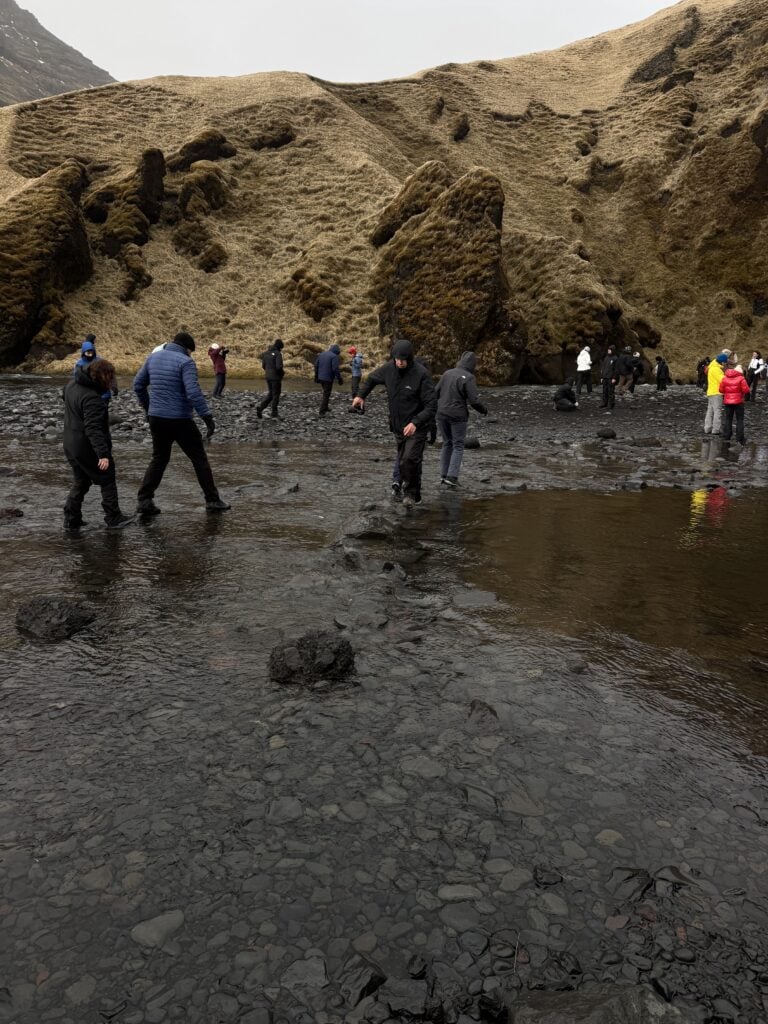
While crowds gather at Skógafoss, many visitors completely overlook Kvernofoss. That’s their loss.
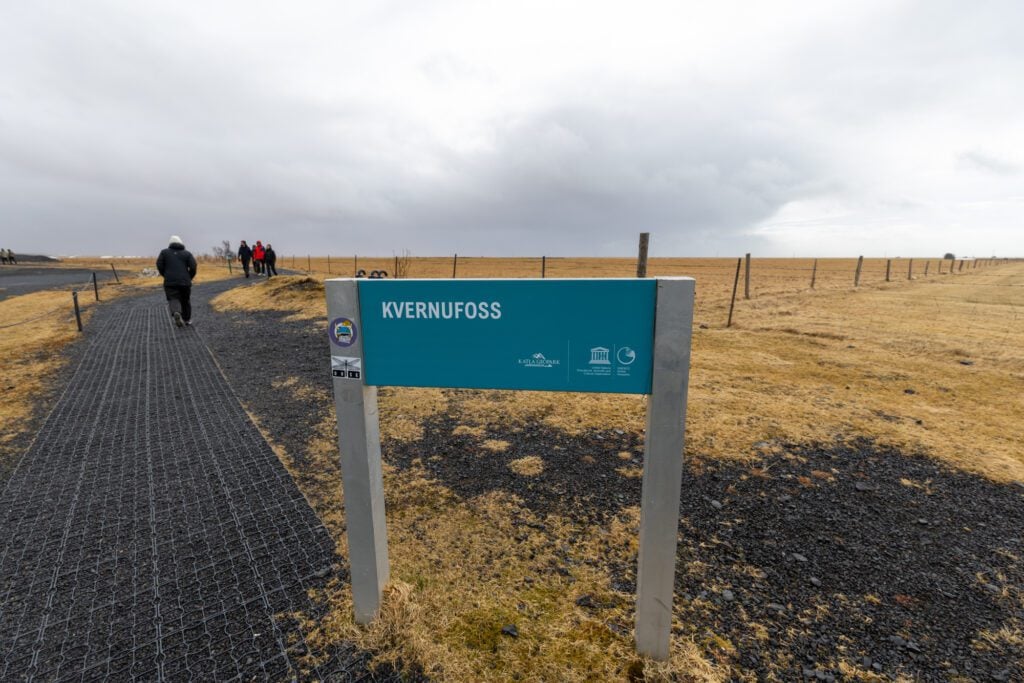
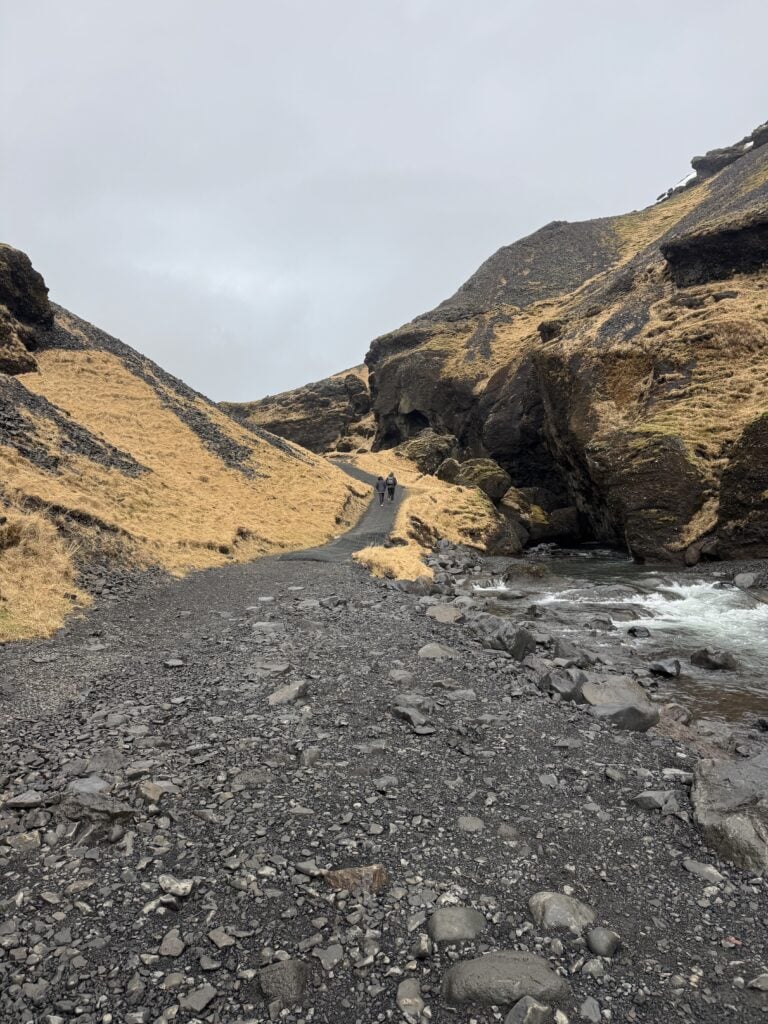
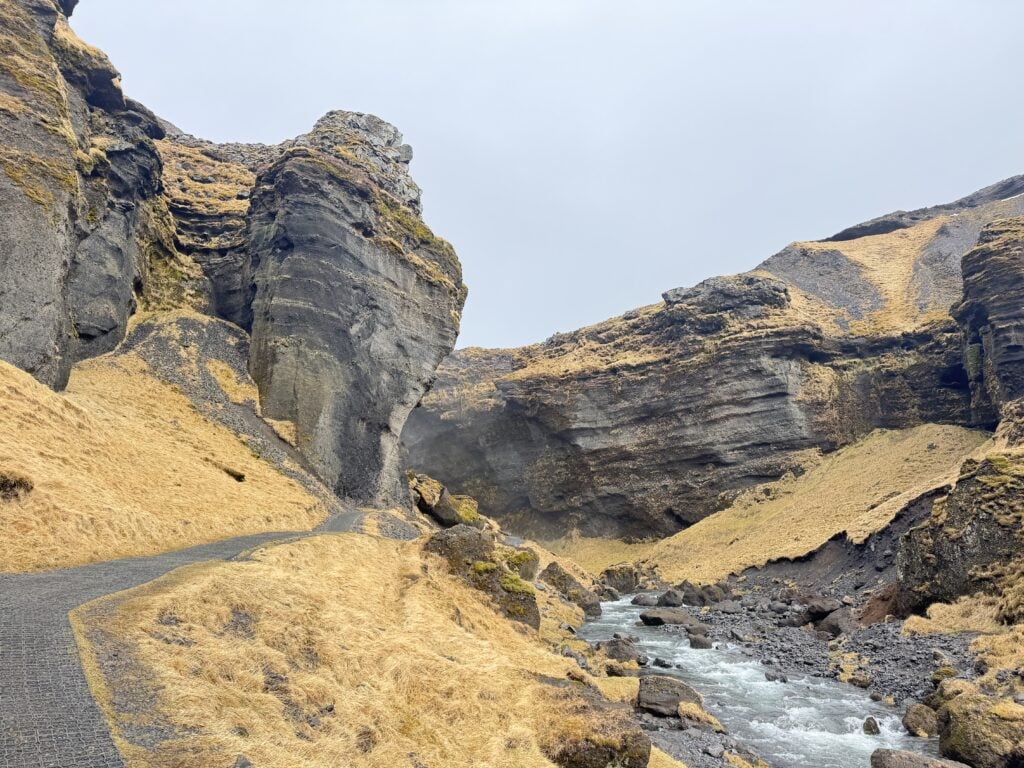
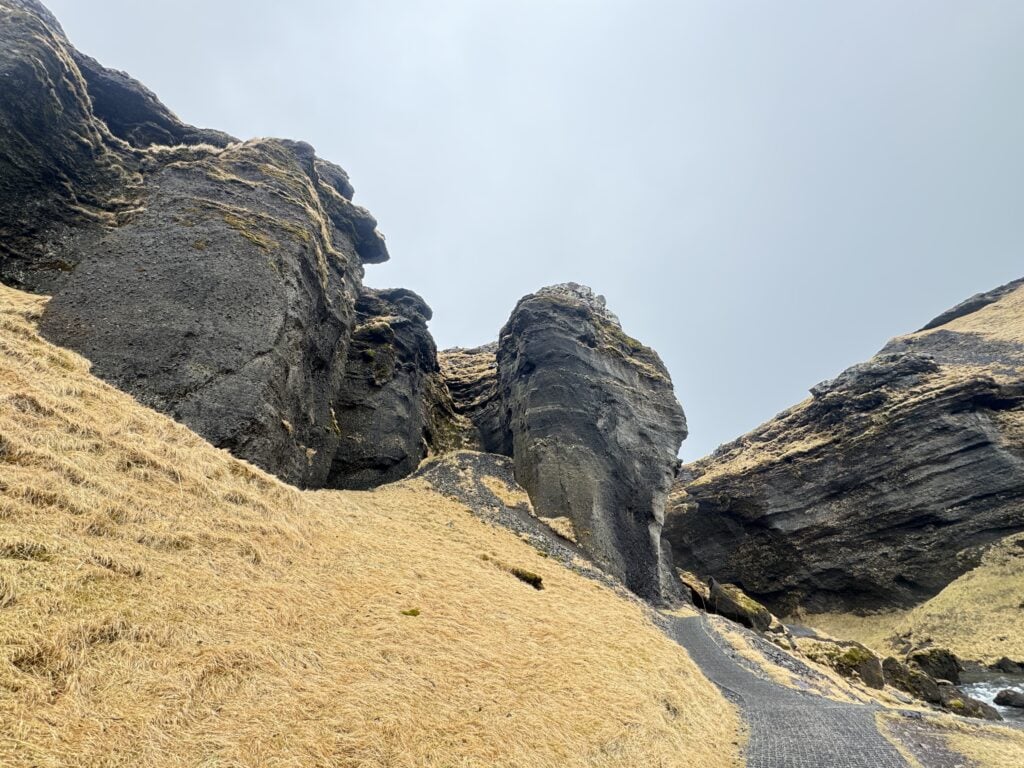
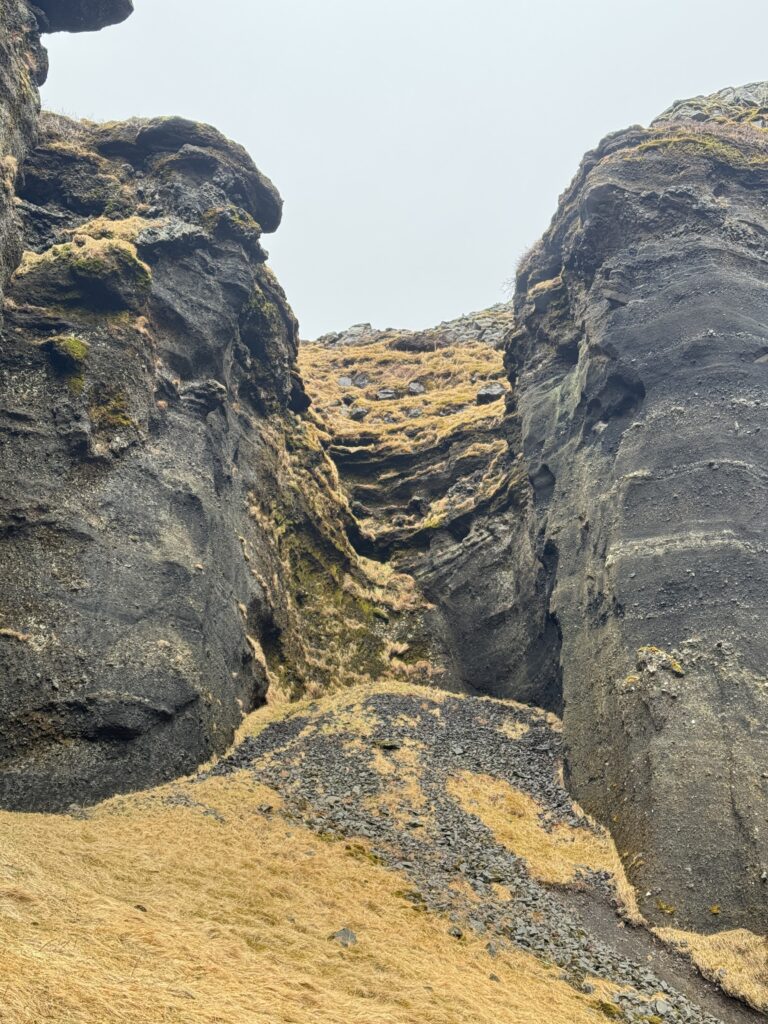
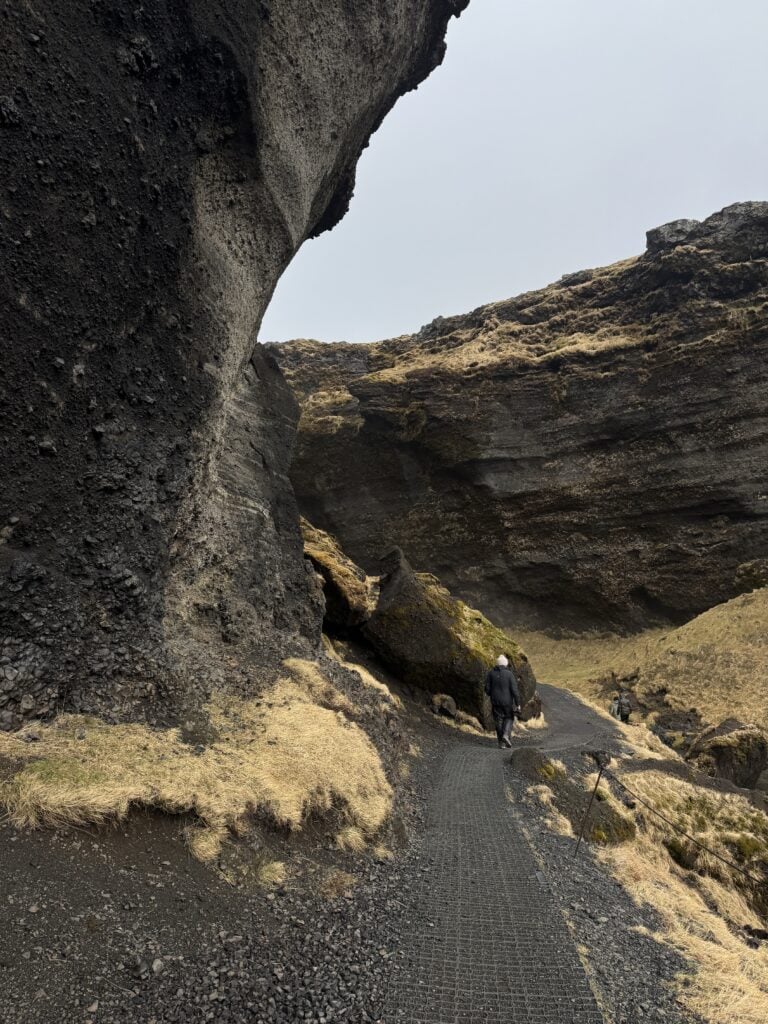
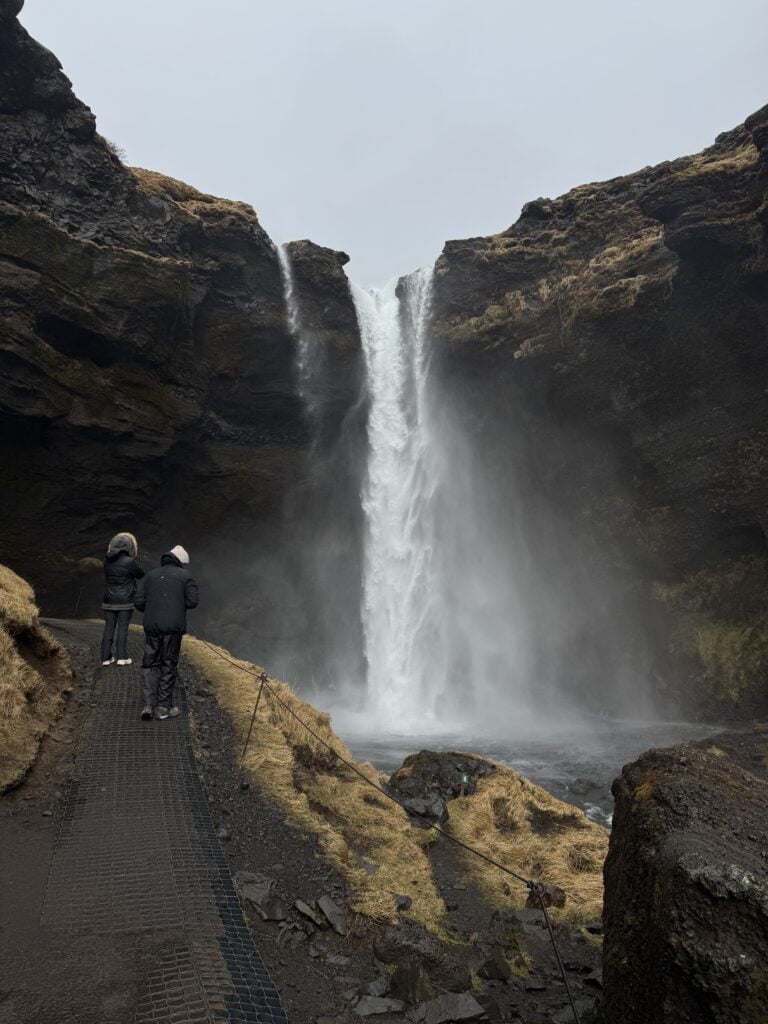
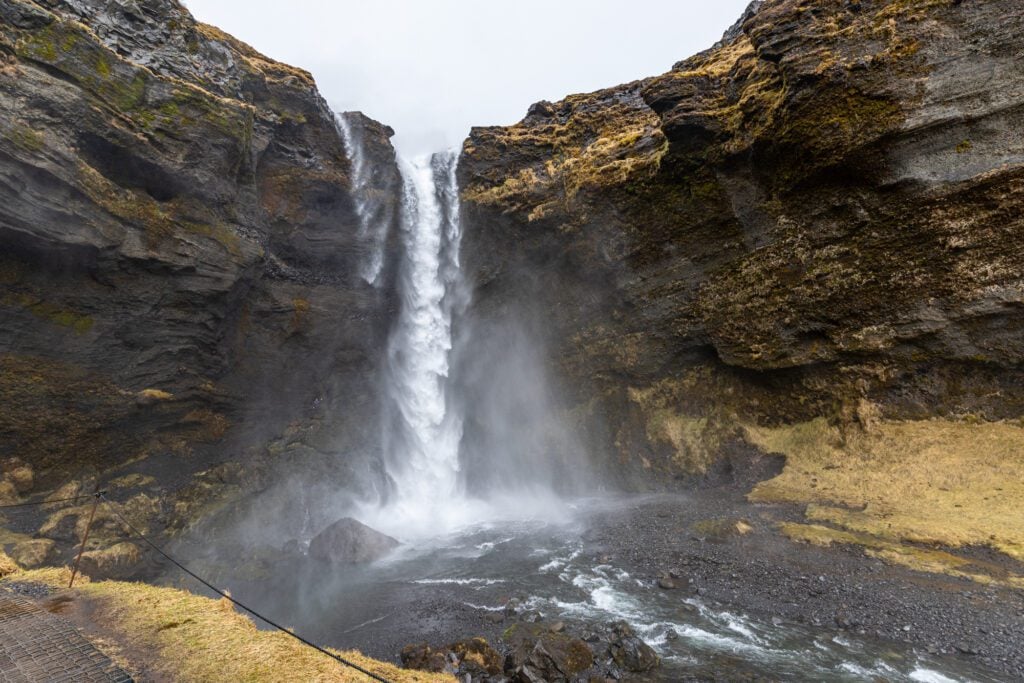
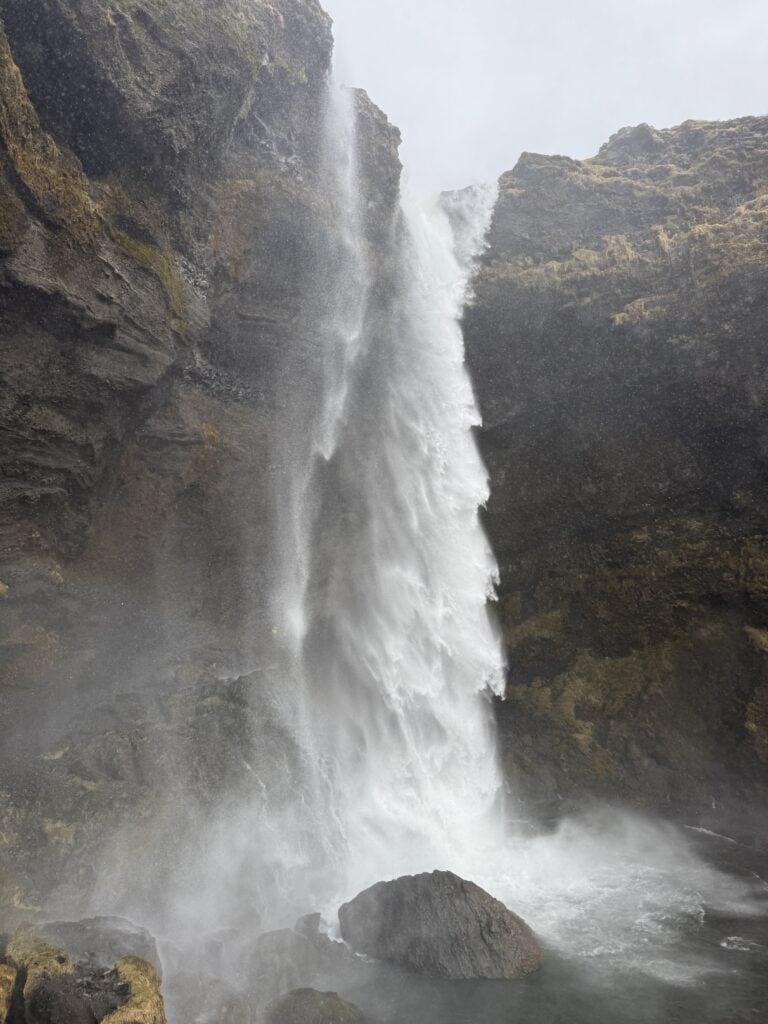
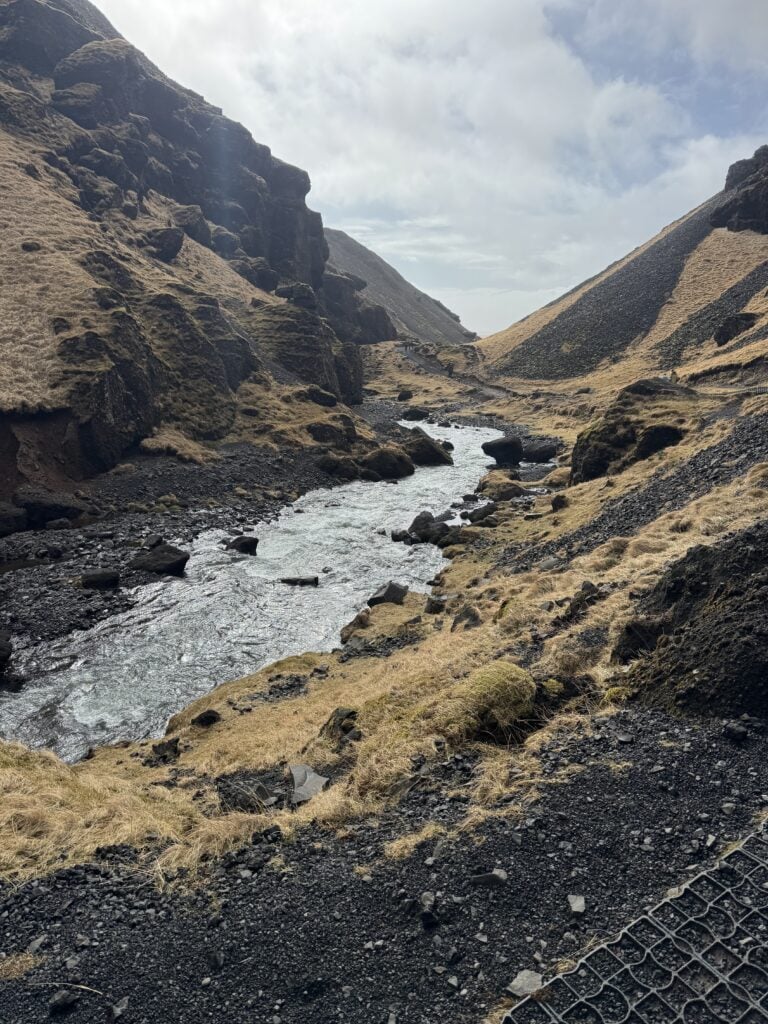
Tucked away behind the nearby Skógar Museum, Kvernofoss sits hidden within a peaceful gorge and feels worlds away from the tour buses and selfie sticks. When we visited, only a handful of people were there.
The waterfall drops around 30 metres and offers another rare chance to walk behind the falling water. Unfortunately, cold rain and slippery conditions persuaded us to admire it from a safer distance. Even so, its secluded setting made it one of the most memorable waterfalls of our trip.
If you’re looking for that magical feeling of discovering somewhere few people visit, Kvernofoss delivers.
Goðafoss: The Waterfall of the Gods
Our final favourite lay in North Iceland along the famous Diamond Circle route.
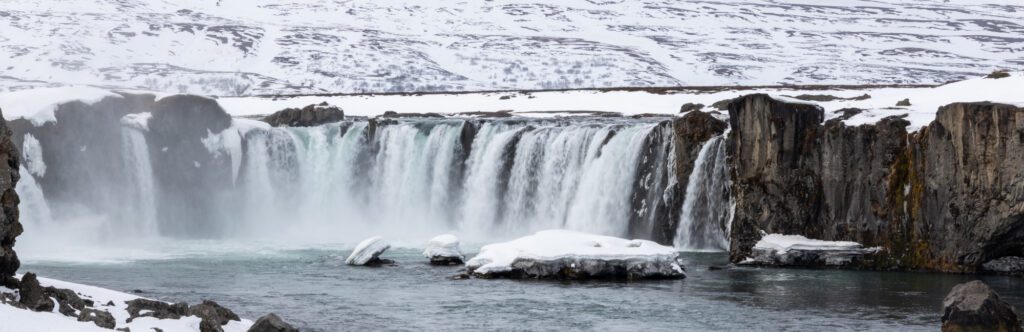
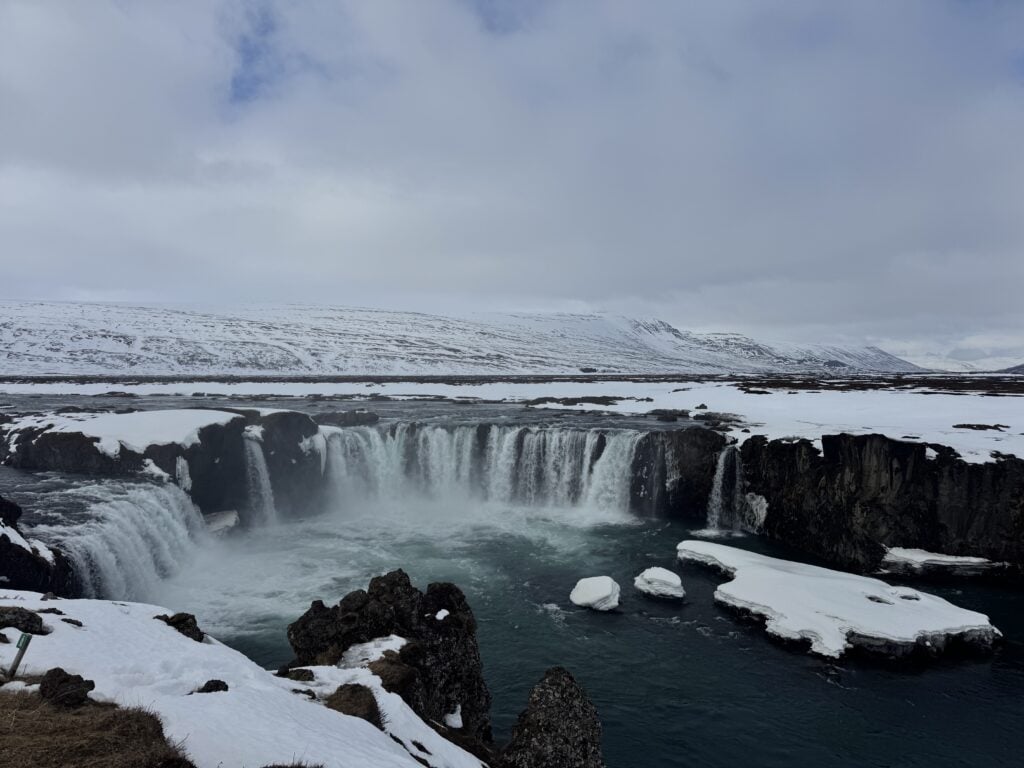
Goðafoss may be smaller than some of Iceland’s giants, but what it lacks in height it more than makes up for in beauty and history.
The horseshoe-shaped falls stretch approximately 30 metres across and plunge into a turquoise river below, creating one of Iceland’s most photogenic scenes.
But it’s the story behind the waterfall that makes it special. Around the year 1000, Iceland officially converted to Christianity. According to legend, Iceland’s law speaker, Þorgeir Ljósvetningagoði, symbolically threw his pagan idols into the waterfall after making the historic decision. The event gave the falls their name: “Waterfall of the Gods.”
Standing beside Goðafoss, it’s easy to understand why this location became part of Icelandic folklore.
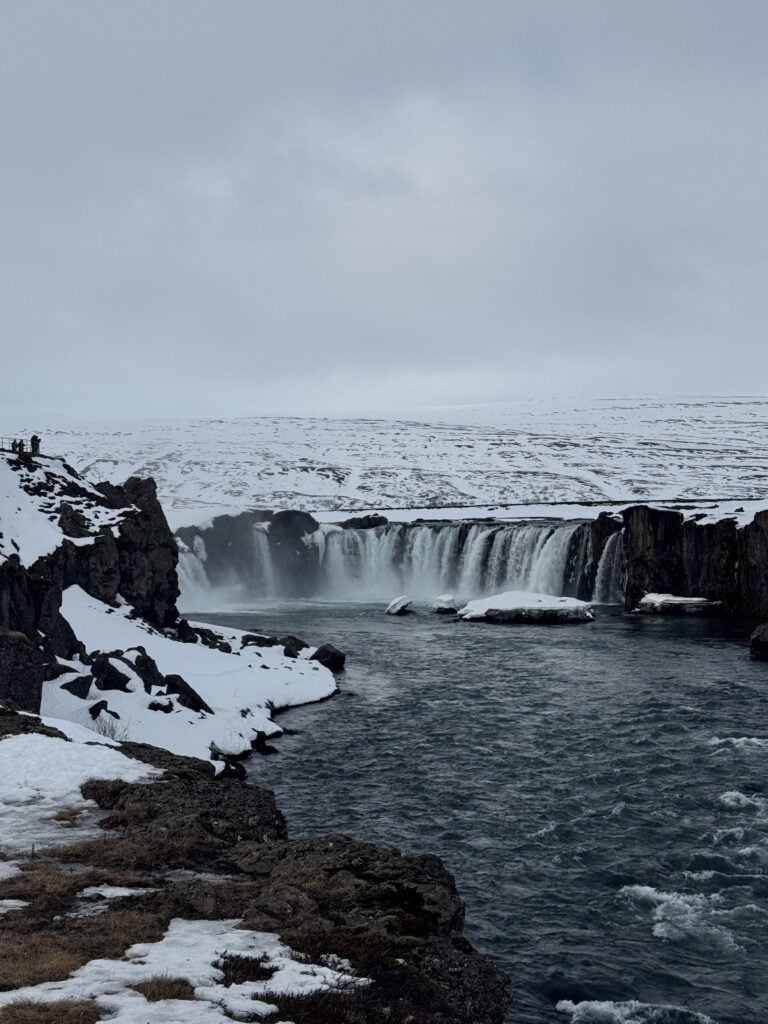
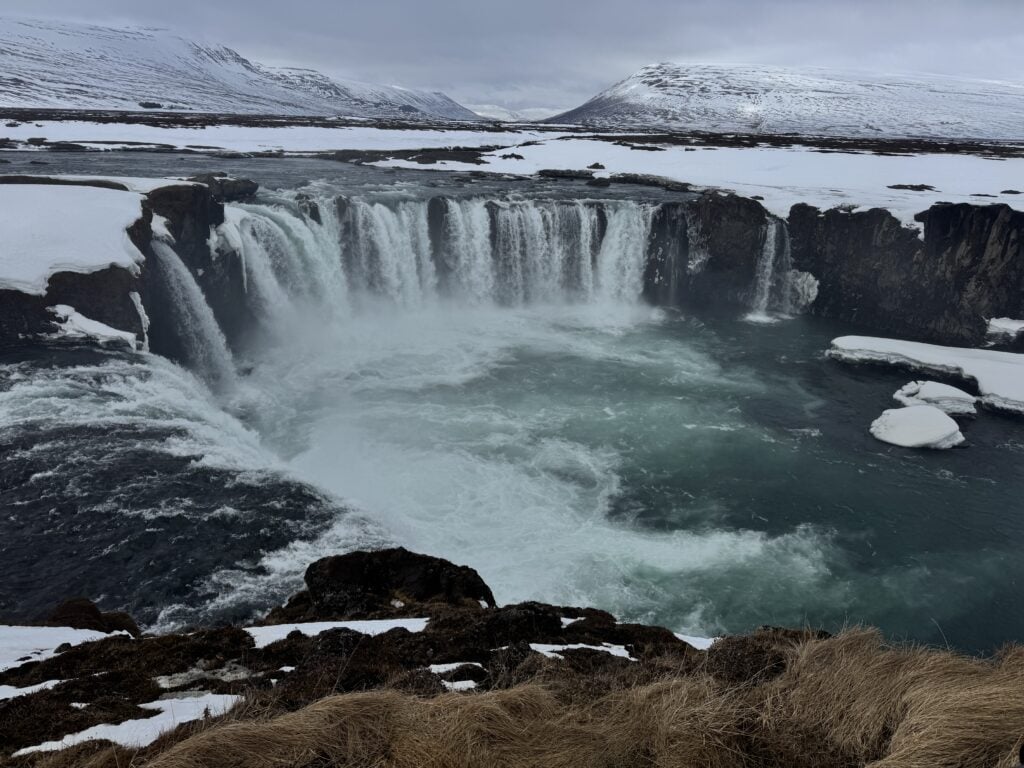
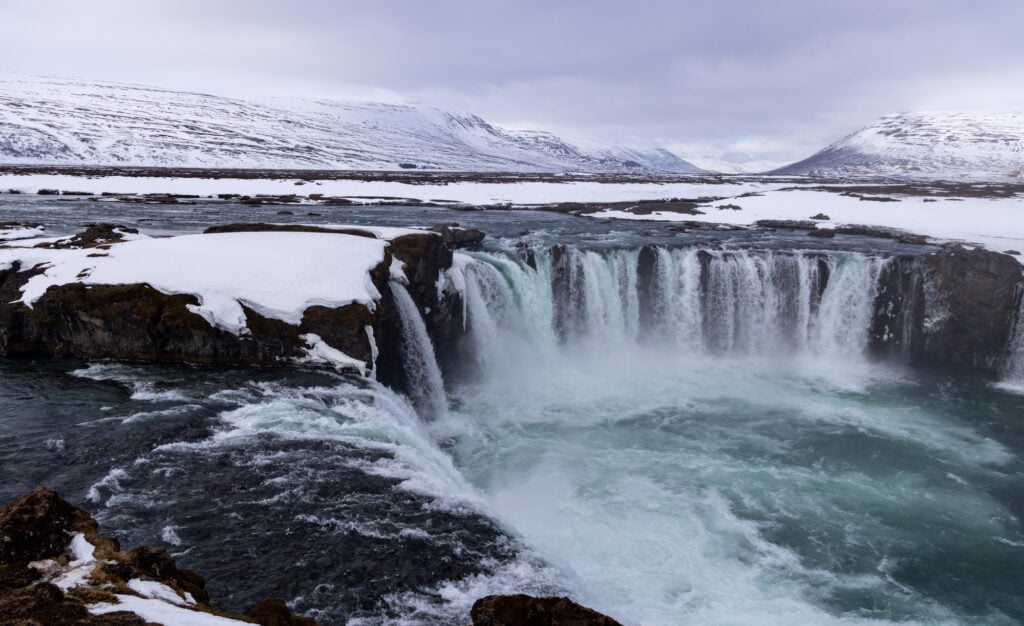
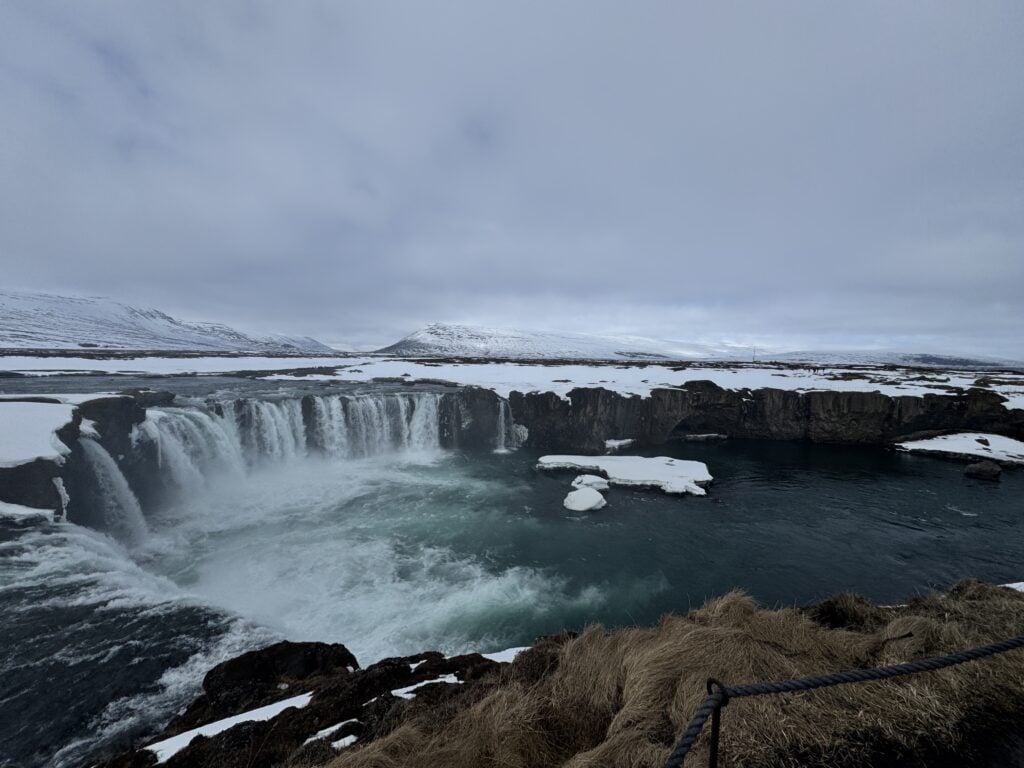
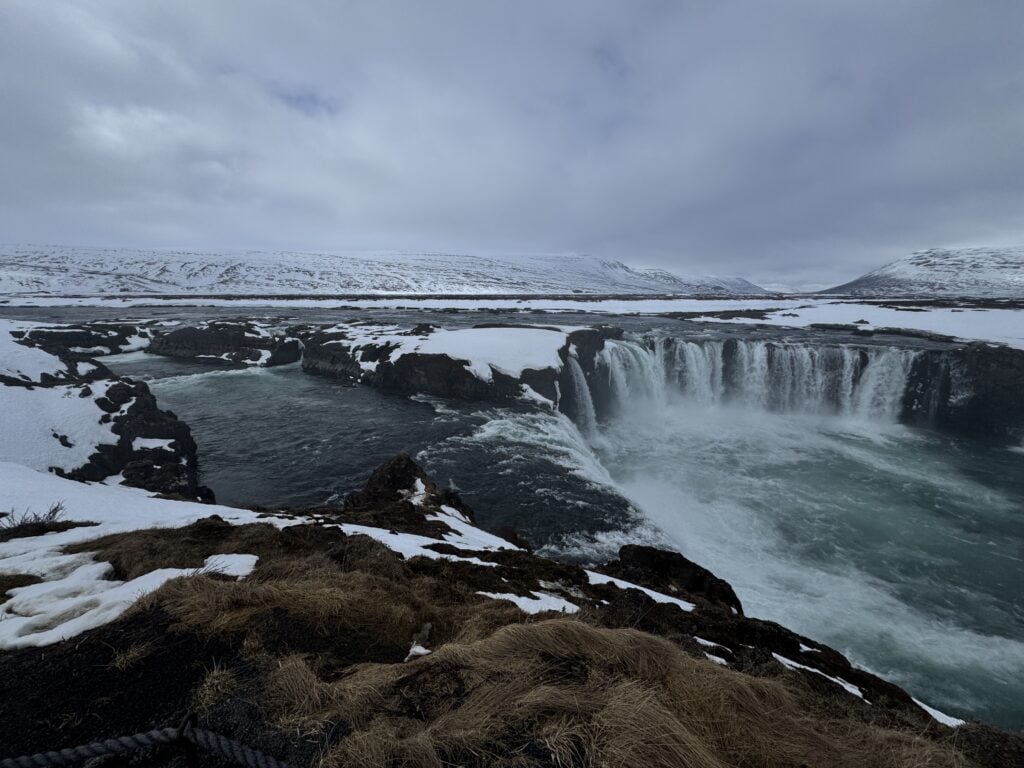
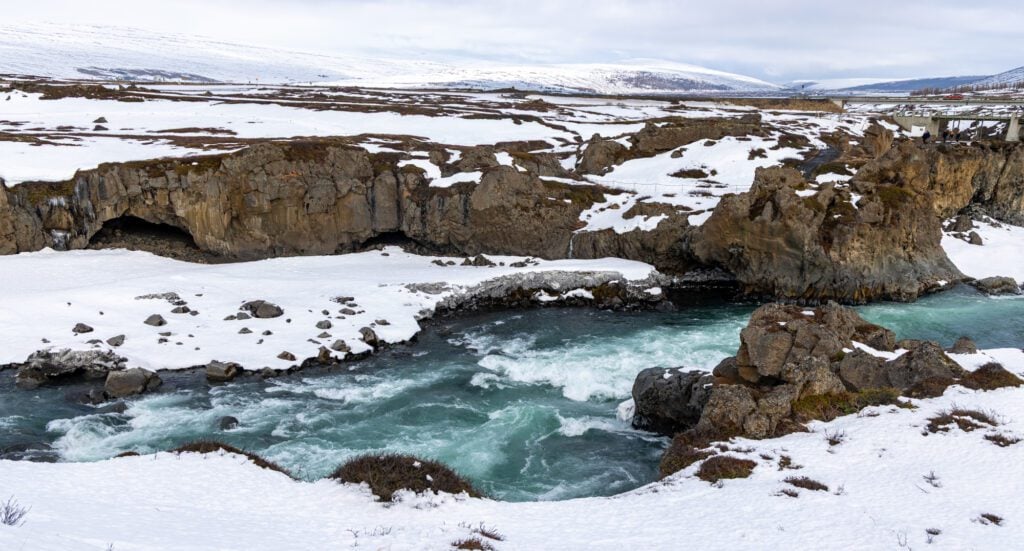
Goðafoss is one of the easiest waterfalls in Iceland to visit and a great stop on your way to Mývatn-Akureyri. Near the falls you’ll find restrooms, a café serving light meals, visitor information, and large parking areas on both sides of the river. The main facilities are concentrated around the Goðafoss Café/Fosshóll area on the east side, although the west side also has the larger parking area and easiest access to the main viewpoint.
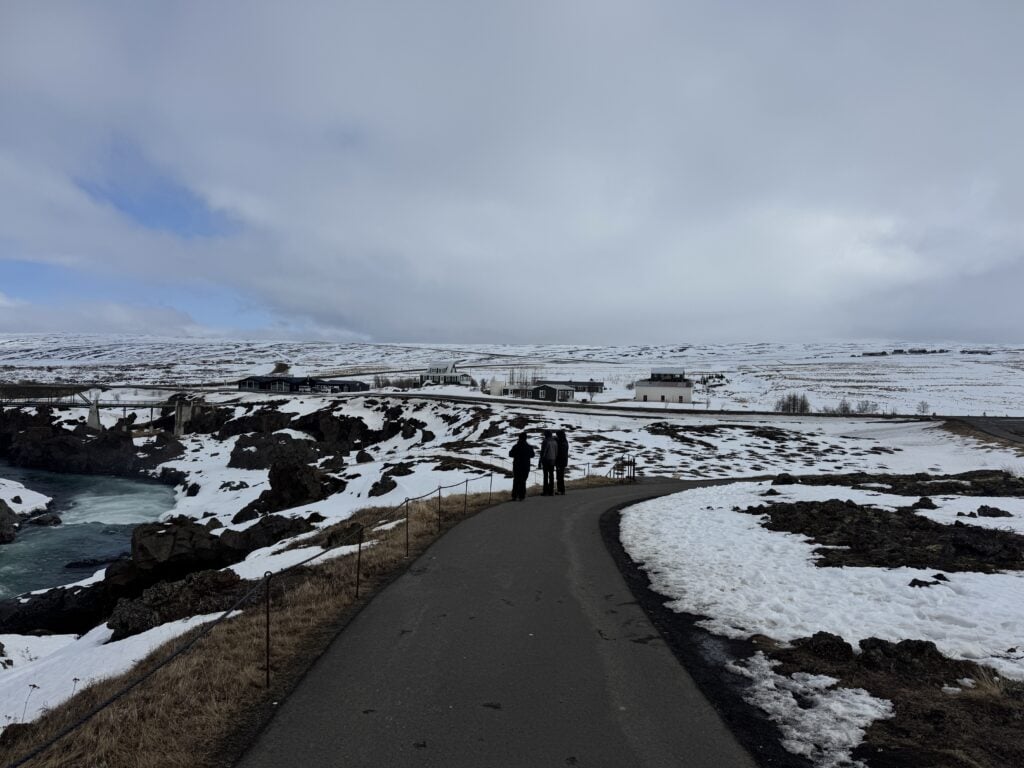
There are two sides to view the waterfall. Recommended for first-time visitors, the West Side’s main viewing platform is only a short, mostly flat walk from the car park. The East Side offers a slightly higher, panoramic perspective and access down toward the river. It’s approximately 5–10 minutes from the café parking area to the viewpoints. (Image below of cafe in the distance) Park and you’ll be at the first viewing area within about 2–5 minutes.
If you want the best experience, park on the west side. Walk to the main horseshoe-shaped waterfall viewpoint (2–5 min). If you want to explore further, follow the path across the pedestrian bridge for the east-side viewpoints. The complete circuit is roughly 1.2 km and mostly flat with well-maintained paths. No strenuous walking required.
Parking at waterfalls
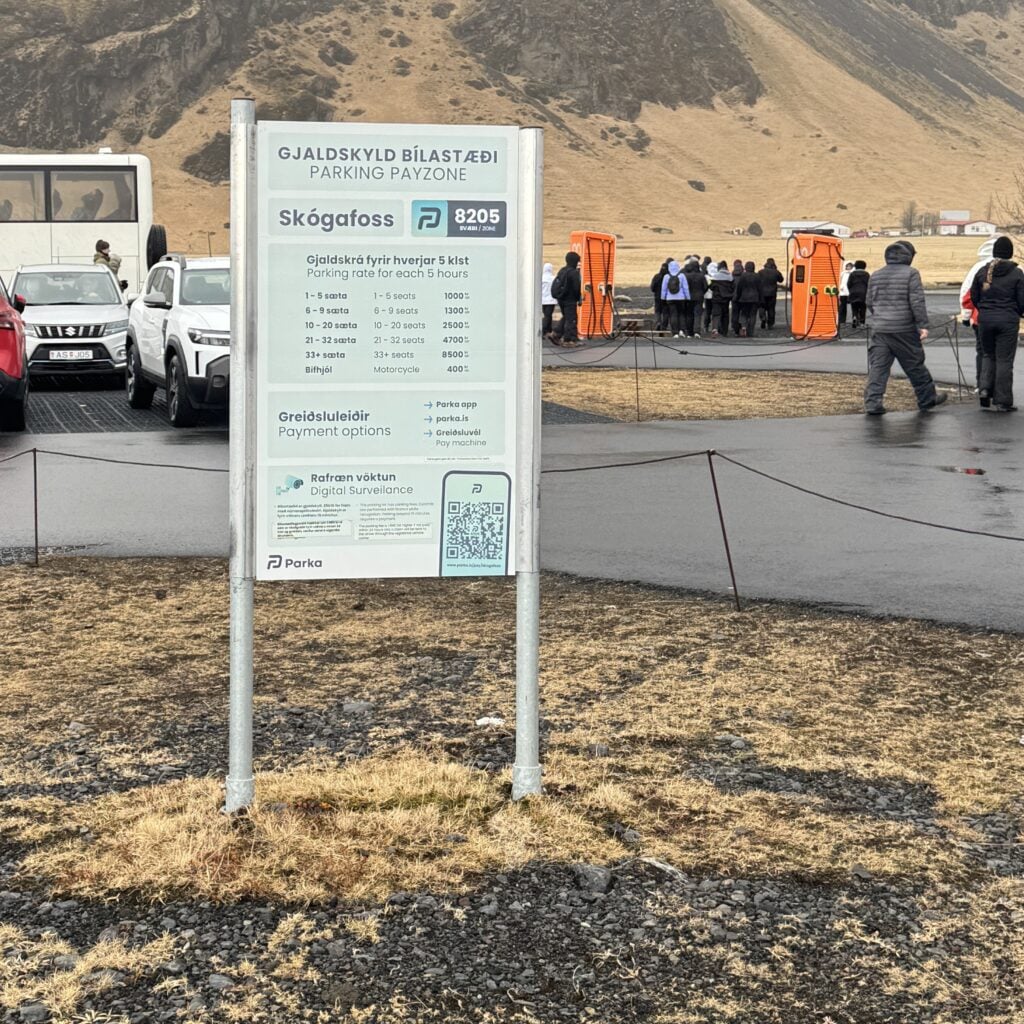
It’s worth budgeting for parking at many of the major attractions in Iceland, especially the carparks at the waterfalls. On the upside, you rarely pay an entrance fee in Iceland – you pay parking instead.
We found most carparks at the waterfalls used the Parka app, QR code/payment machine in the carpark or Checkit.is (camera recognition scheme). You enter your registration number of your rental car and pay electronically. No ticket is displayed on the dashboard. Many sites use cameras to check whether the vehicle’s parking has been paid for, so don’t chance it or the fine could cost you considerably more than the parking fee. Not all waterfalls charge for parking, many remain free, especially the smaller or less-visited falls.
Seljalandsfoss & Gljúfrabúi – 1000 ISK Valid all day until midnight
Skógafoss 1000 ISK Valid up to 8 hours
Kvernufoss 750 ISK Valid until midnight
Goðafoss Free (currently)
Iceland’s Greatest Travel Lesson: Expect the Unexpected
If there’s one thing Iceland taught us, it’s that nature always has the final say.
We had carefully planned every day of our trip, including visits to Gullfoss and Dettifoss. Both were cancelled due to weather-related road closures.
Even our final opportunity to explore the Golden Circle was thwarted by conditions. At first, it was frustrating. Then we realised that’s simply part of the Iceland experience.
Weather changes quickly. Roads close unexpectedly. Plans shift. And somehow those unscripted moments often become the stories you remember most.
On our final day the weather was against us. Instead of chasing waterfalls, we headed to the airport early, found a cosy bar, and enjoyed one last Icelandic meal with perhaps few too many Brennivin (clear, unsweetened schnapps – Iceland’s signature national spirit) while watching the weather roll across the horizon.
Not the ending we’d planned but perhaps the perfect ending for Iceland.
Good To Know
Every place ending in “foss” means waterfall in Icelandic.
Most major and popular waterfalls are clearly signposted and accessible with established parking lots and viewing platforms right off the Ring Road.
Waterproof clothing and sturdy footwear are essential, particularly at Seljalandsfoss and Gljúfrabúi.
Weather can affect access to major attractions year-round.
Allow extra time in your itinerary for unexpected detours and road closures.
Some of Iceland’s most memorable waterfalls are the lesser-known ones hidden just a short walk from the famous sites.
If you’re planning an Iceland road trip, don’t just chase the famous waterfalls. Some of the most magical moments happen when you step off the main tourist trail and discover the hidden ones waiting around the next corner.
Iceland is an island country in the North Atlantic Ocean (located between Greenland and Norway). The country is a member of the Council of Europe and belongs to the European Economic Area. It is part of the Schengen Area allowing passport-free travel with most European countries. Although Icelandic is the official language. English is spoken extremely well throughout Iceland.
Note: This story is based on our personal experiences during our visit to Iceland during the first week of April, 2026. All information was correct to the best of our knowledge at the time of writing, but prices, facilities, access, and conditions may change over time. We recommend verifying current details with official sources before travelling.

vicki@montyandme.com.au
Vicki Montague is a freelance writer with a predilection for travel, European fashion, architecture that oozes history and charm, and objects that tell a story. She and her partner John are empty nesters - their three adult children have left the comforts of home to carve out their own paths in life. Vicki’s professional background is in marketing and public relations.

Pingback: The Road to Akureyri: Unforgettable Stops in North Iceland - Monty and Me