
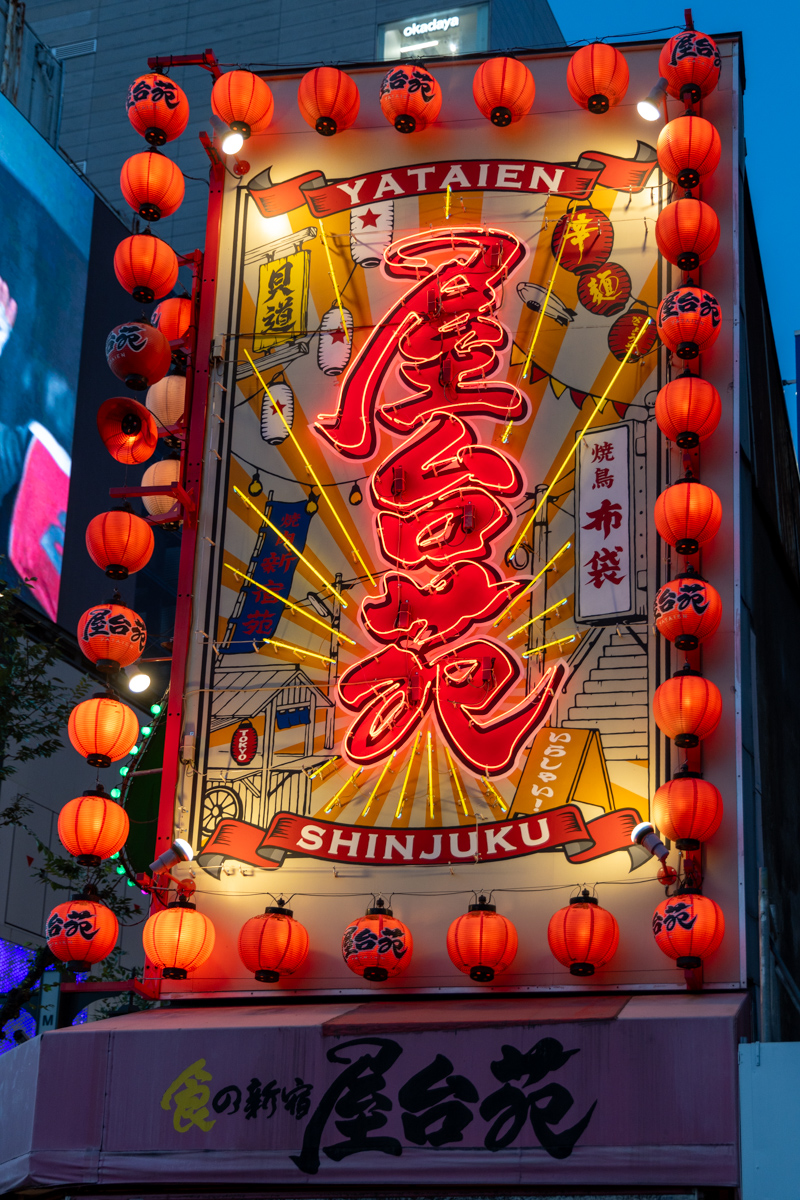
Shinjuku and the Shibuya Crossing
Shibuya vs Shinjuku — streets apart, equally unforgettable
Tokyo has a way of pulling you in from the very first step. For us, the afternoon began where it simply had to — at the world-famous Shibuya Scramble Crossing — and ended under the neon heat of Shinjuku and Kabukichō. Two districts, two totally different personalities, yet both absolutely electric.
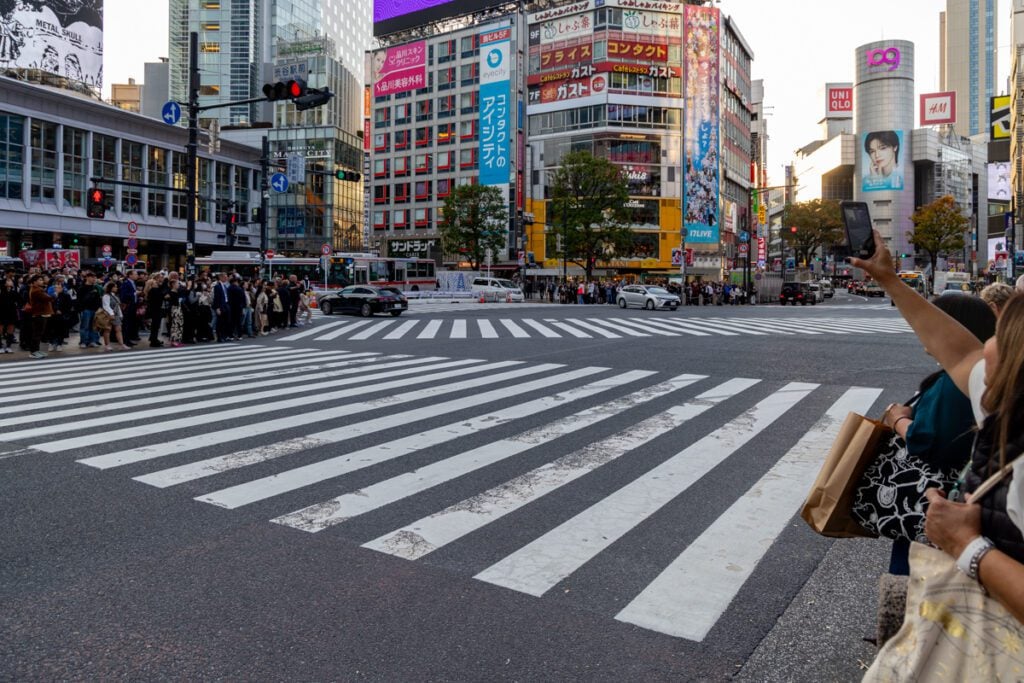
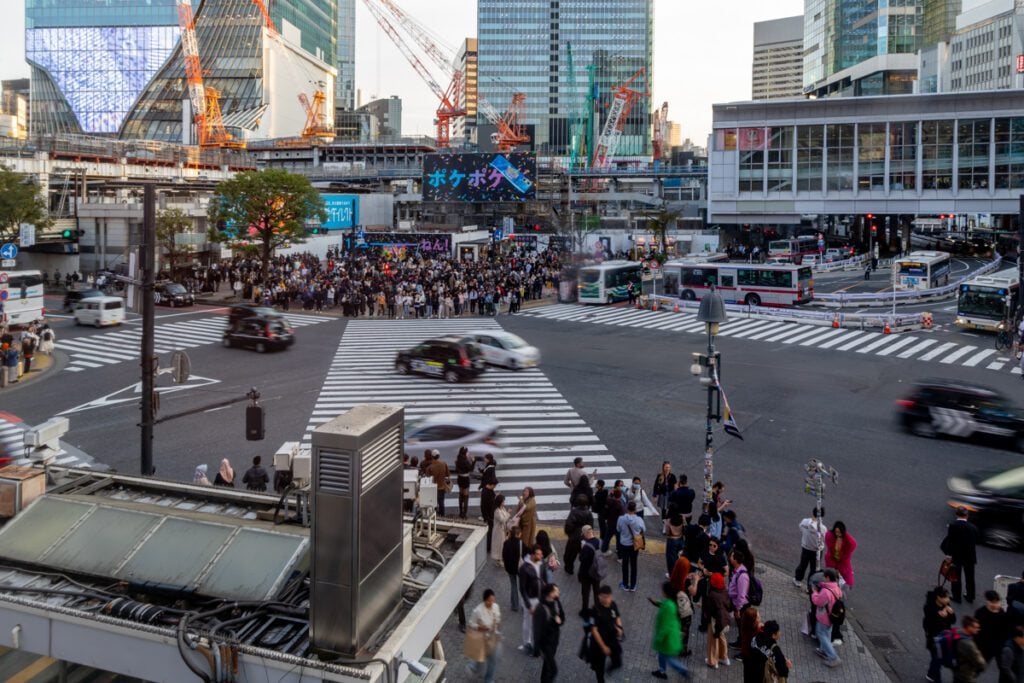
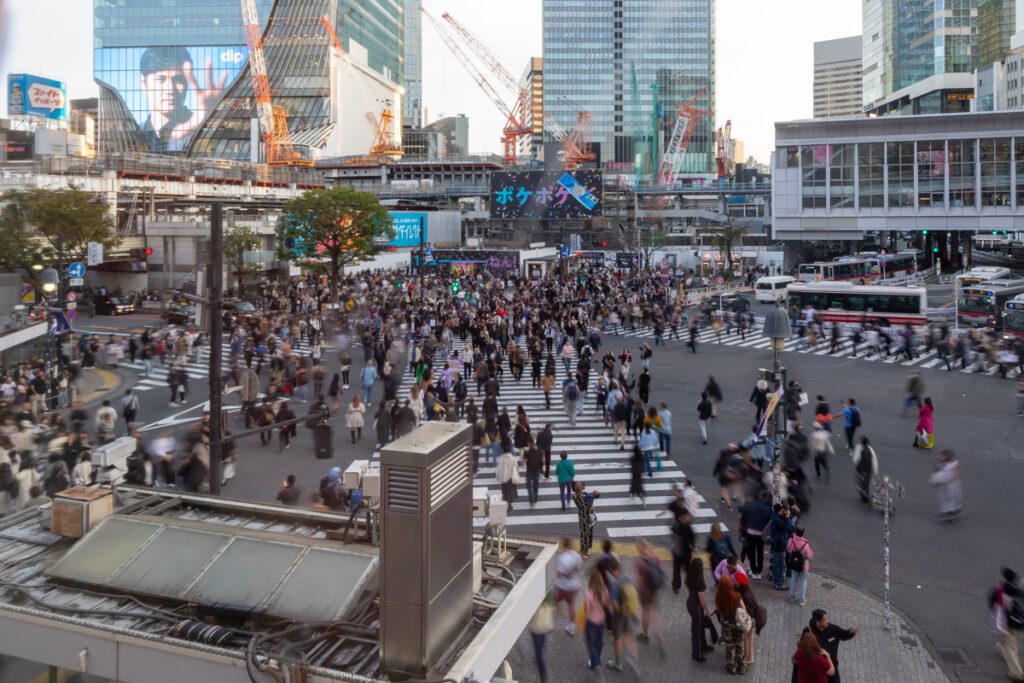
Starting in Shibuya — the crossing that feels like a theme park (only it’s free)
If there’s one Tokyo moment that lives up to the hype, it’s that moment when the lights change and thousands of people surge forward in every direction across Shibuya Crossing. It’s chaos, choreography, and pure adrenaline rolled into one.
We crossed at around 4 pm — busy, but not peak-hour madness (5 pm–8 pm is when it really explodes). The sweet spot? Dusk, when the neon signs wake up and the whole intersection glows.
Once we reached the other side, we stopped to meet Hachikō — the loyal Akita dog whose real-life story inspired the movie Hachi: A Dog’s Tale starring Richard Gere. The Hachikō statue is a homage to this faithful dog who waited at Shibuya Station for his master, Professor Eizaburo Ueno of Tokyo, each afternoon. Even after the professor’s death in 1925, Hachikō continued to wait for his beloved master to return from work every day until his own death 10 years later. The statue is one of Tokyo’s most sentimental landmarks, and yes, there was a queue for photos; it was tricky getting a shot without tourists hugging it affectionately.
We then scrambled back across the crossing from our starting point and headed to Starbucks in the Shibuya Tsutaya building for the classic elevated view. Watching thousands of people stream across below is strangely hypnotic — like witnessing the heartbeat of Tokyo. What’s equally bizarre is when you look at the photos you’ve taken you’ll notice tourists literally standing still while the masses make their way to the opposite side of the crossing.
Then on to Shinjuku — where a giant 3D cat welcomes you to the night
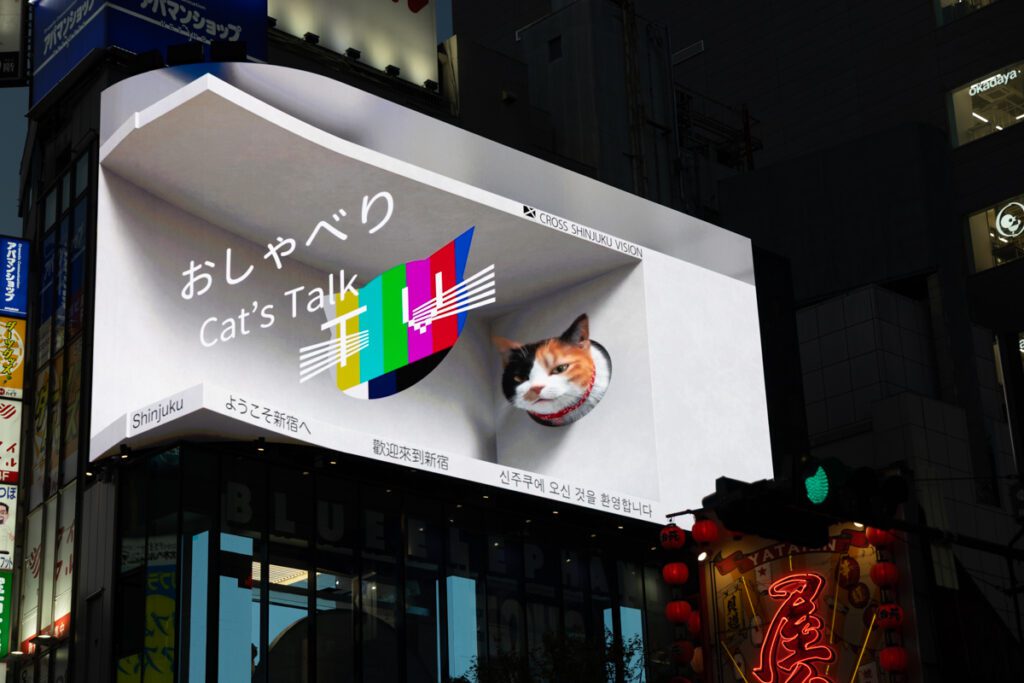
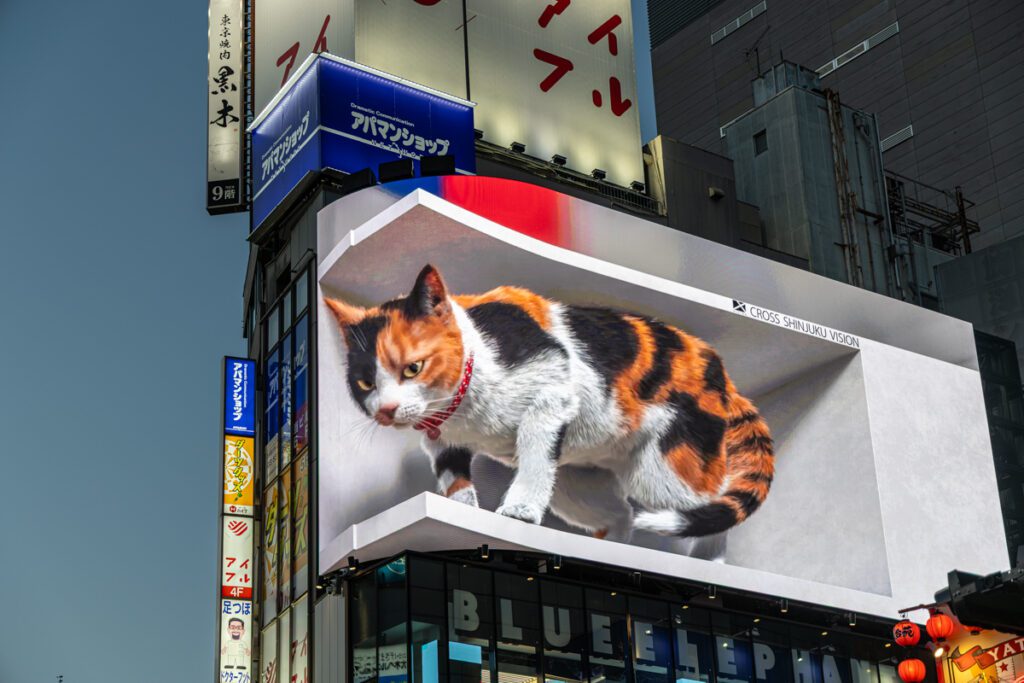
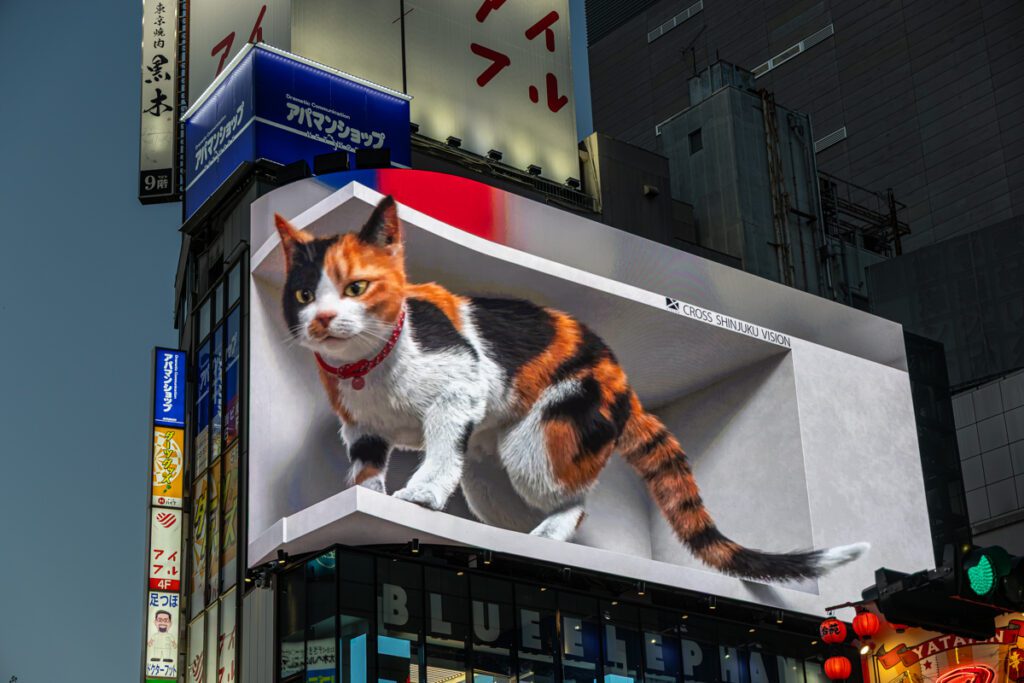
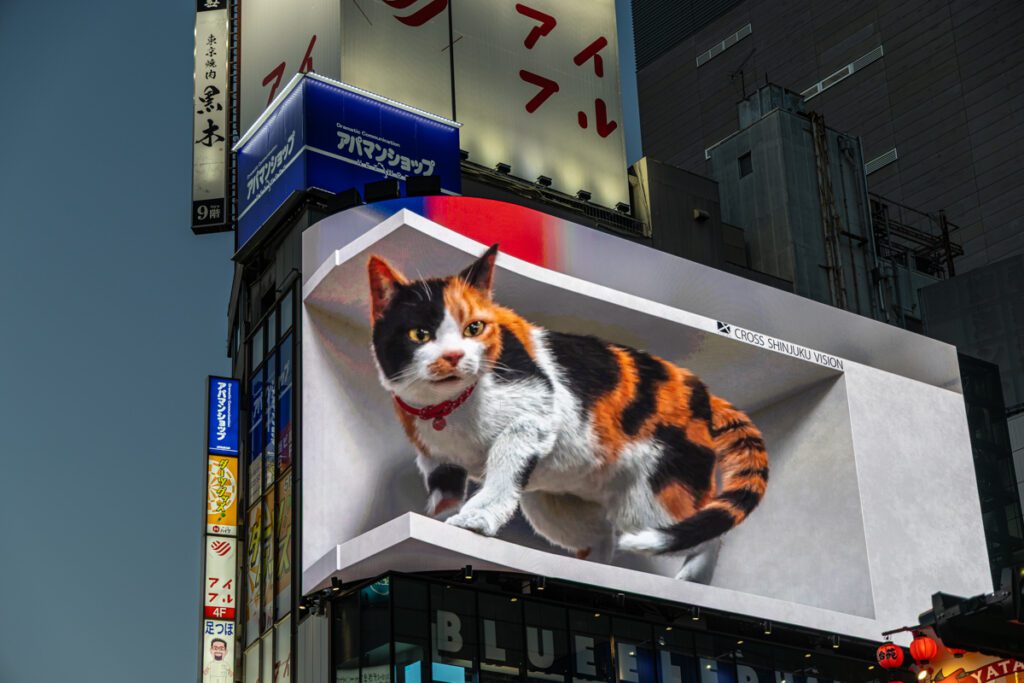
From calm chaos to neon overload — we jumped on the coach and 20 minutes later (thanks to traffic) found ourselves outside the Cross Shinjuku Vision building, waiting with a crowd of tourists and locals for a very modern Tokyo ritual: the appearance of the hyper-realistic 3D digital cat.
When it finally woke up — meowing, yawning and swishing that enormous tail — the entire street turned into a sea of phones. It felt like the unofficial opening ceremony of the night.
And then the real Shinjuku energy hit us.
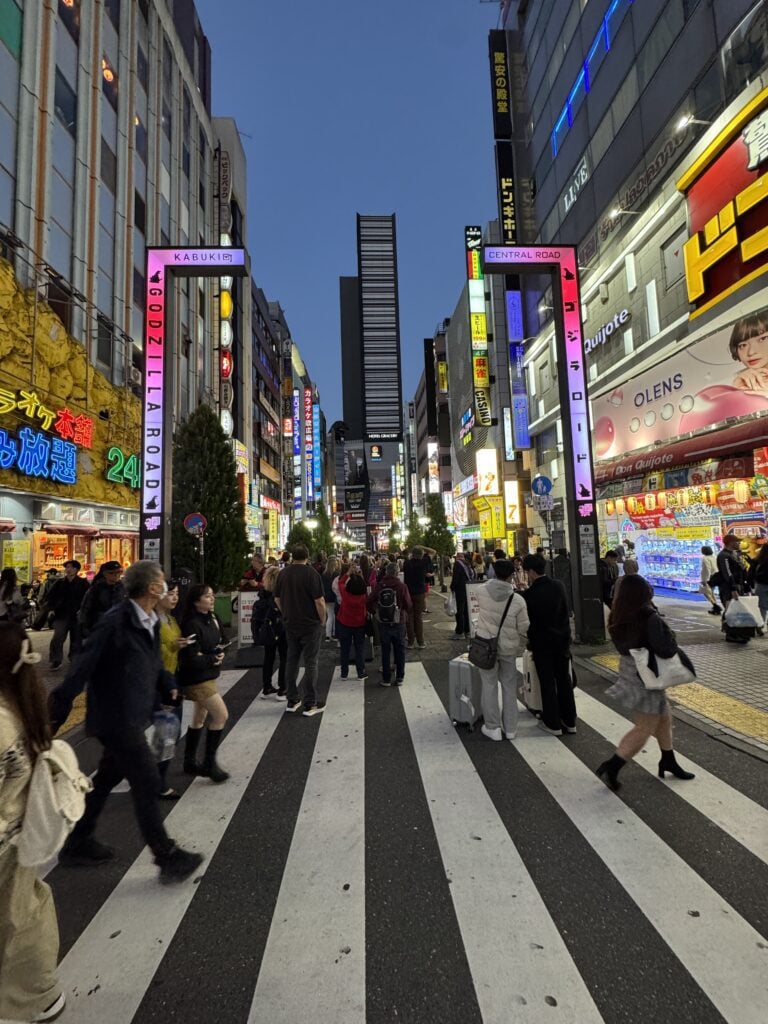
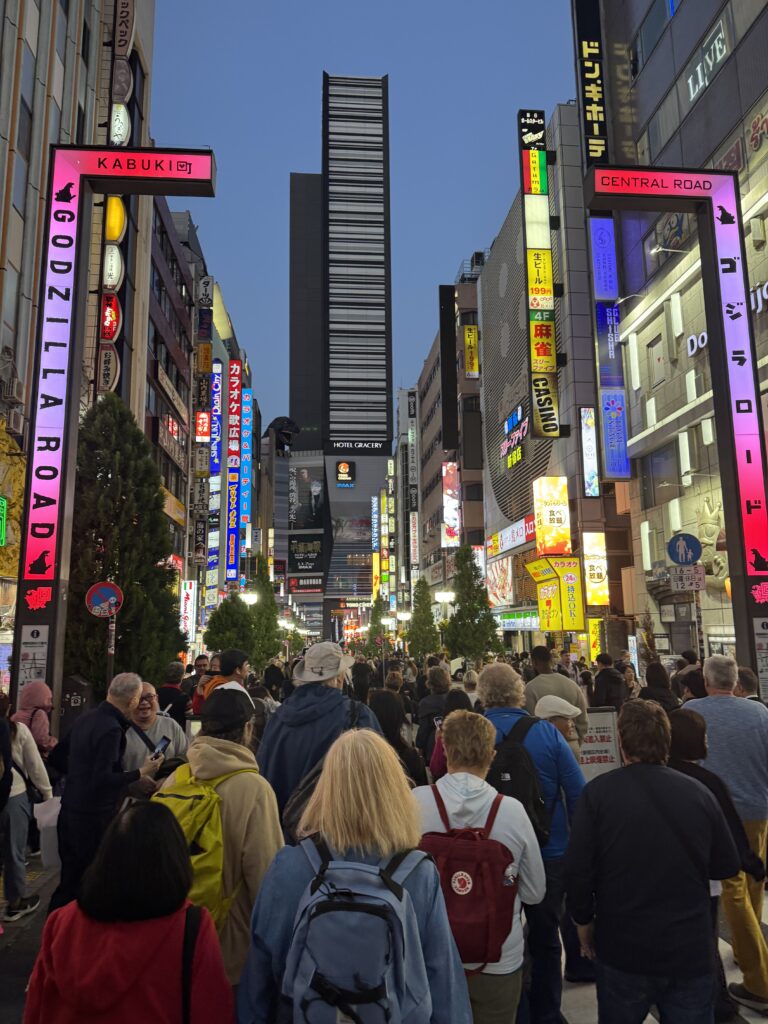
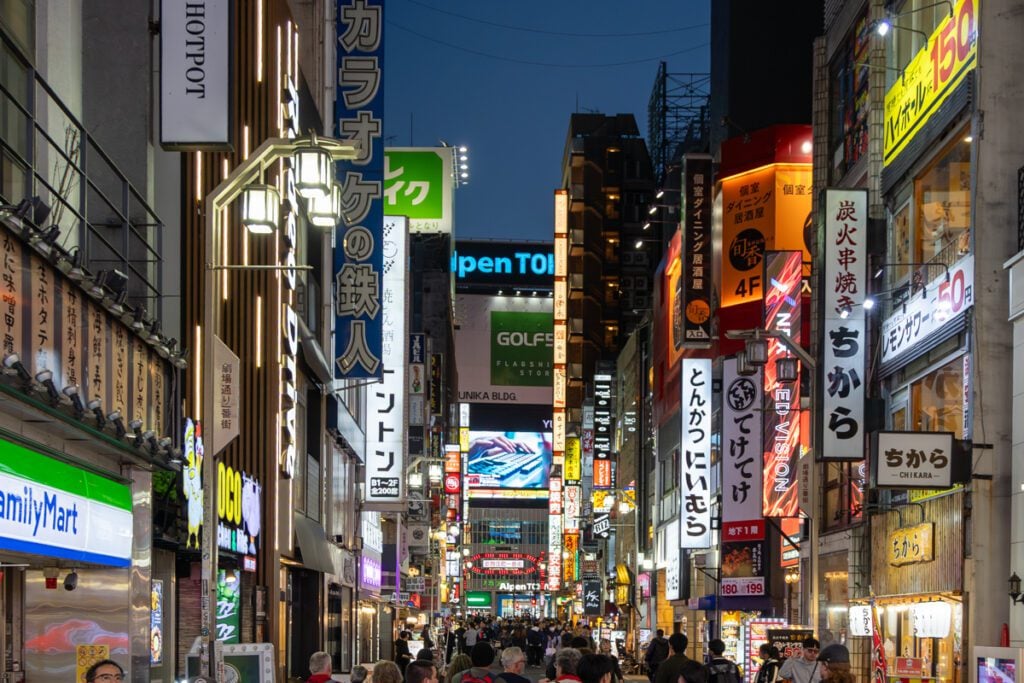
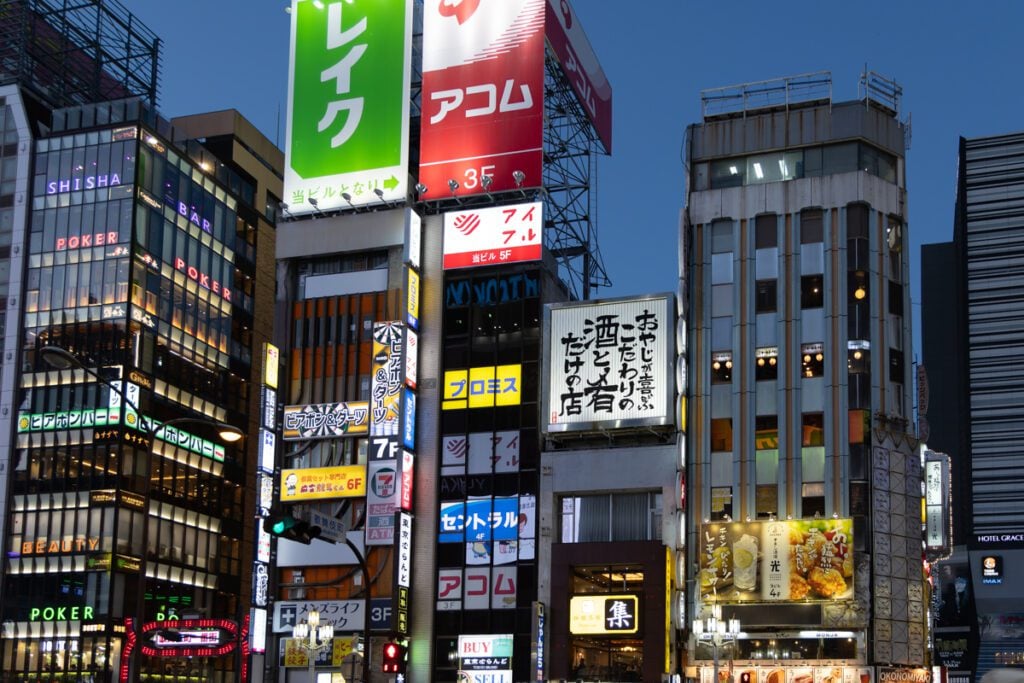
Kabukichō — Tokyo’s playground that never sleeps
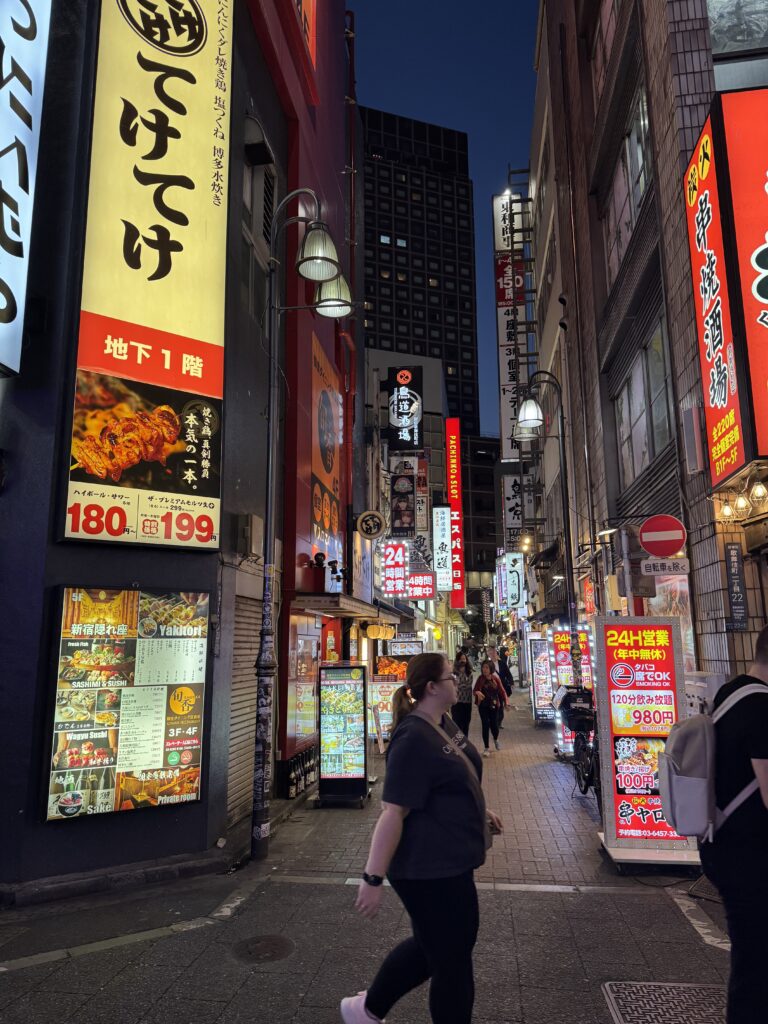
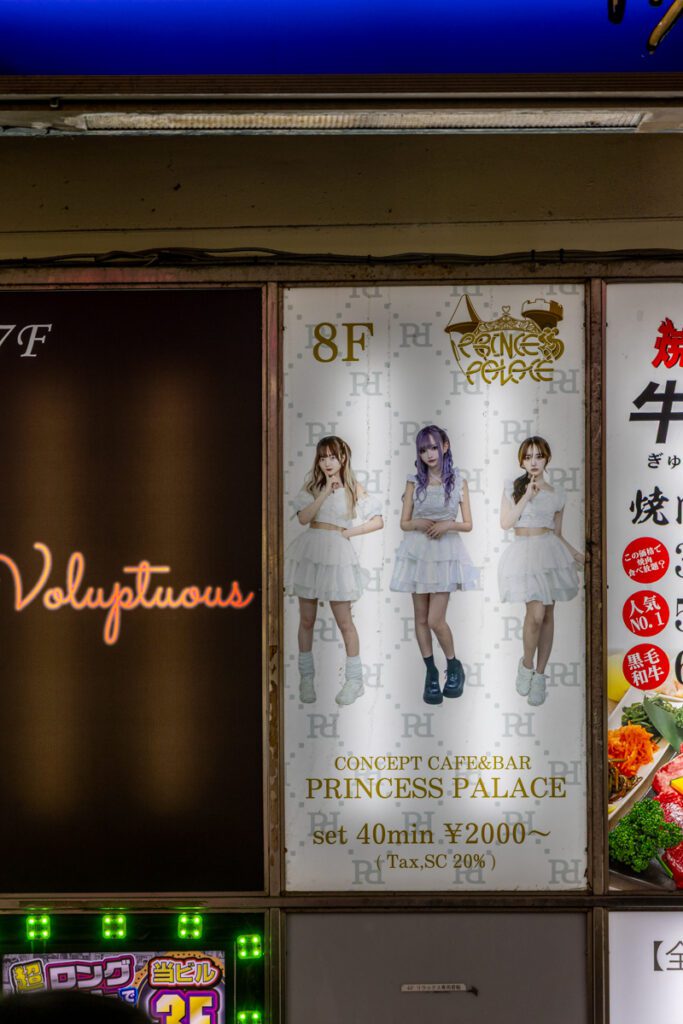
At the centre of Shinjuku’s buzz is Kabukichō, Tokyo’s famous entertainment and red-light district. Literally right next to the Cross Shinjuku Vision building is the entry. Walk under the iconic Kabukichō Ichiban-gai red gate and you’re instantly swallowed into a maze of nightlife — glowing signs, narrow laneways, late-night ramen shops, themed bars, karaoke, arcades, and everything in between.
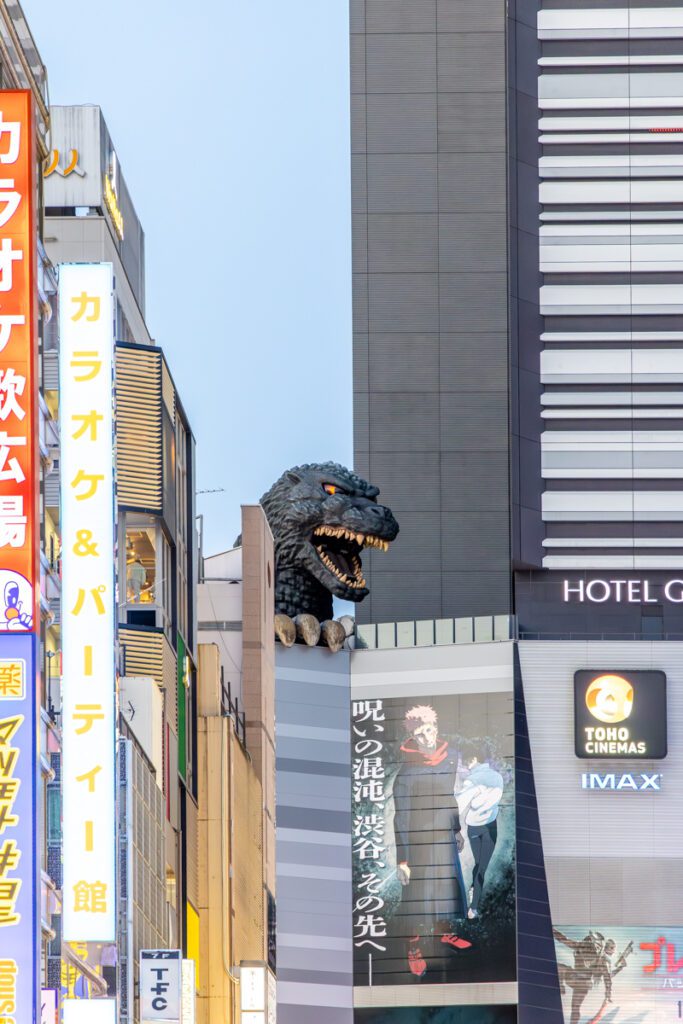
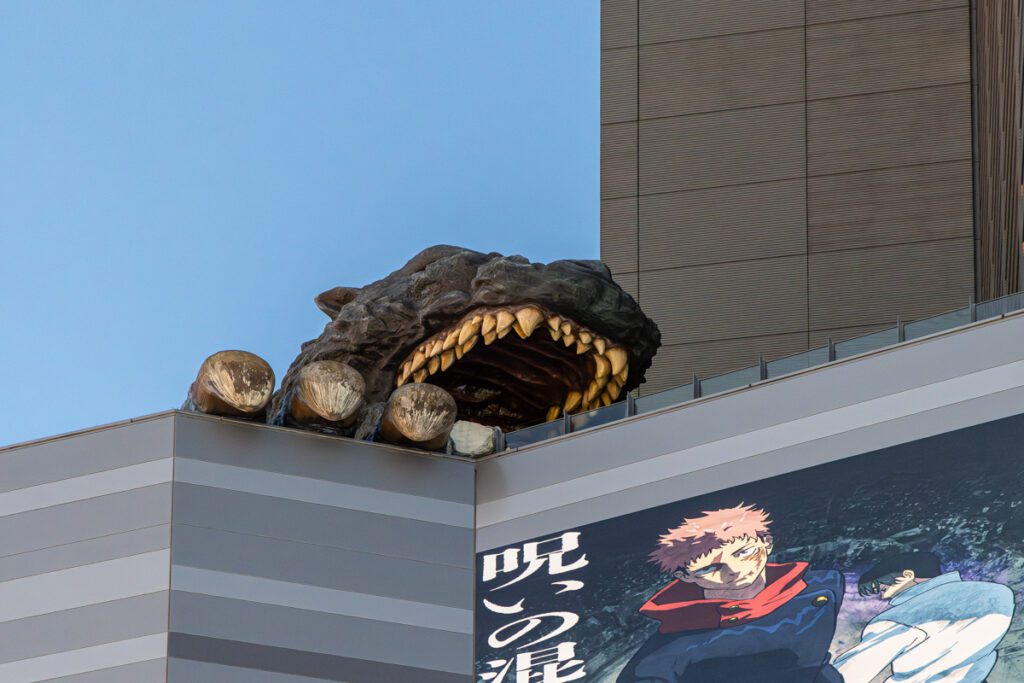
Towering above it all is the iconic Godzilla head perched on the Shinjuku Toho Building. Every hour it roars to life — an unbeatable photo moment and the perfect geographic landmark when you get turned around (you will get turned around). To get up close, simply dine at the Hotel Gracery café to get the best view of the beloved Godzilla.
Hidden nearby, Golden Gai offers the opposite vibe — tiny bars packed shoulder-to-shoulder, each quirkier and friendlier than the last. It’s people-watching heaven.
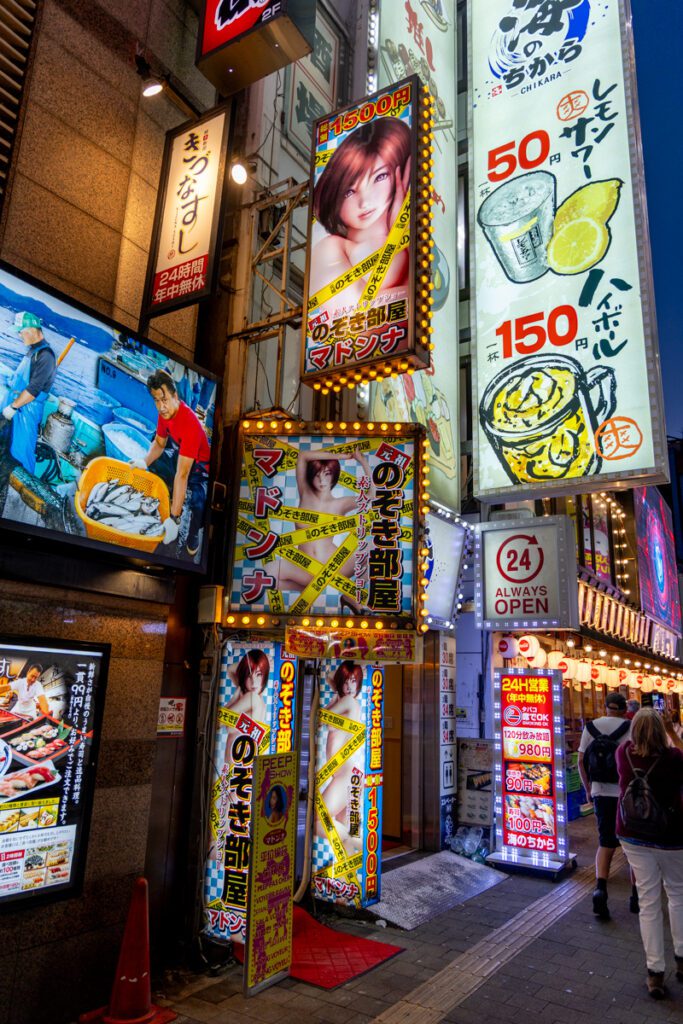
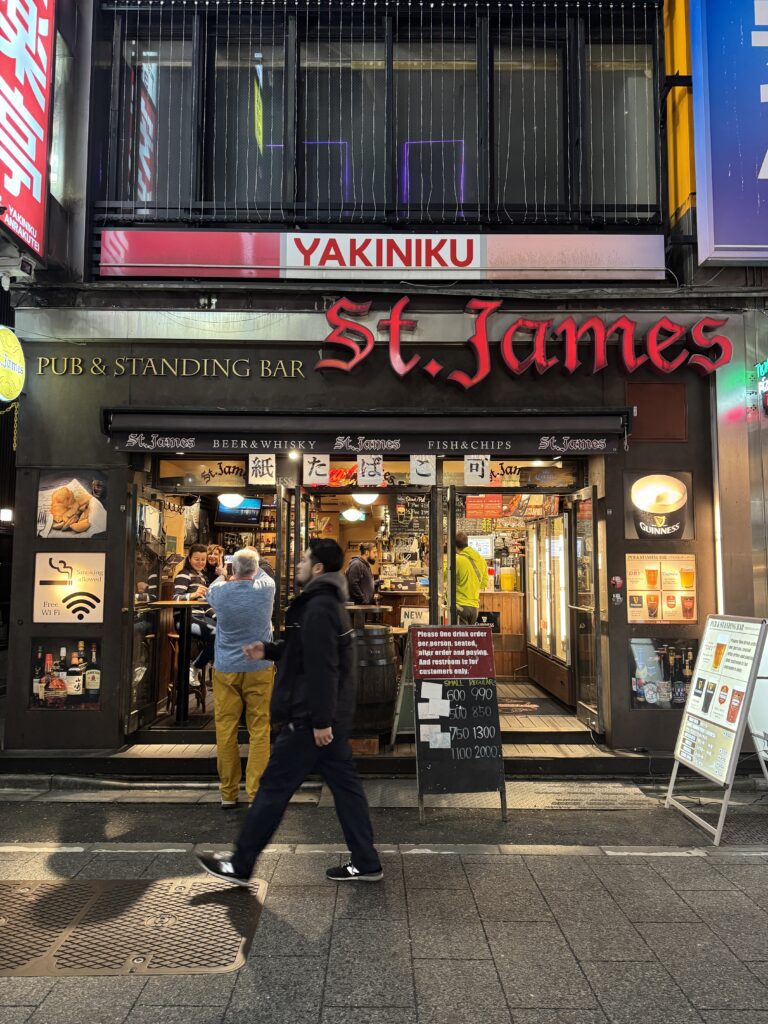
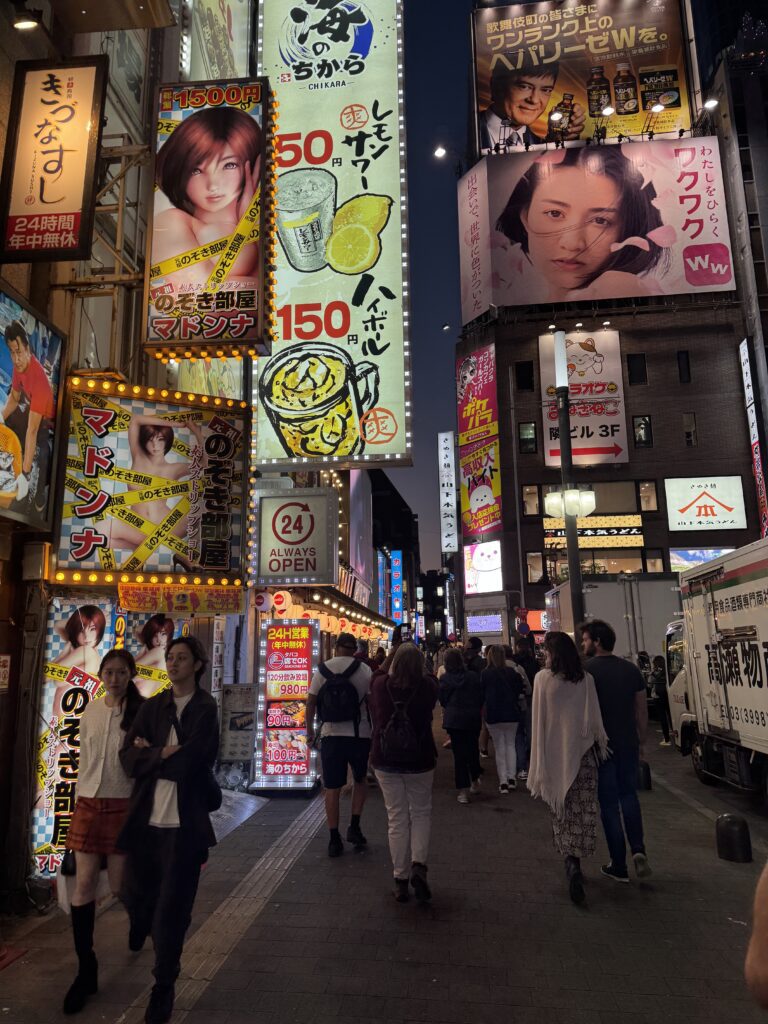
By day, Shinjuku slows just enough to show another side.
Kabukichō in daylight reveals a more playful curiosity than late-night intensity:
• Don Quijote for bargain shopping and souvenirs
• Gaming arcades and the colourful Robot Restaurant façade
• Samurai Museum Kabukicho for sword displays and Edo-era storytelling
• Toho Cinemas for movie lovers
And when you need a breather from the neon? Shinjuku Gyoen National Garden is a short walk away.
Shibuya Scramble Crossing — where to get the best views
If watching from street level isn’t enough, here are tried-and-tested viewing spots:
- Starbucks (Shibuya Tsutaya, 2F) — free, iconic view
- Shibuya Tsutaya Café & Lounge (3F) — approx. ¥1,650 / $16.50 AUD, unlimited drinks/snacks, 500 seats
- Shibuya Mark City walkway — free, great angles
- L’Occitane Café Shibuya (2F–3F) — partly obstructed, still nice
- Gusto Shibuya Ekimae (7F) — inexpensive and high up
- Shibuya Scramble Square – Shibuya Sky Observatory — best aerial view (¥2,200–2,500 / $22–25 AUD)
- Estacion Café – Shibuya Excel Hotel Tokyu (5F) — cocktails + dessert with a view
- Rooftop MAG’s PARK – Magnet by Shibuya 109 — ¥300 / $3 AUD, open 11am–11pm
- Shibuya Excel Hotel Tokyu (guest rooms) — the only hotel overlooking the crossing
Getting there: At Shibuya Station, follow signs to the Hachiko Exit (Hachiko-guchi) — you can’t miss it.
Shibuya ➜ Shinjuku — the easiest way to move between the two
There are plenty of options (train, bus, taxi, subway, even walking), but the fastest and simplest is the train — only 4 minutes.
For up-to-date transport comparisons: rome2rio.com
Why visit both in one day?
Because they feel like two different worlds:
| Shibuya | Shinjuku |
| Youthful, stylish, buzzing | Louder, flashier, wilder |
| World-famous crossing | World-famous nightlife |
| Best at dusk | Best after dark |
| Great for first-timers | Great for night owls |
And when you put them together, you get one of the most unforgettable nights Tokyo can offer.
Final thoughts
Shinjuku is Tokyo with the volume turned all the way up — neon canyons, dizzying buildings, and a nightlife rhythm that never quits. Shibuya is Tokyo’s pulse — where the city seems to inhale and exhale as thousands cross at once.
Experiencing both in a single afternoon-evening felt like stepping through two different doorways into the same dazzling city — one that never stops surprising.

vicki@montyandme.com.au
Vicki Montague is a freelance writer with a predilection for travel, European fashion, architecture that oozes history and charm, and objects that tell a story. She and her partner John are empty nesters - their three adult children have left the comforts of home to carve out their own paths in life. Vicki’s professional background is in marketing and public relations.

Leave a Reply