
Useful Tips for First-Time Travellers to Japan
It’s been just over a week since we returned home and my mind is still wandering back to the incredible energy, order, colour and calm of Japan.
Before I forget the practical things, I wanted to get this blog out on what you should know before you go to Japan.
There are a million “before you go” posts out there, but these are the things I personally found the most helpful — including some things I wish I had known ahead of time.
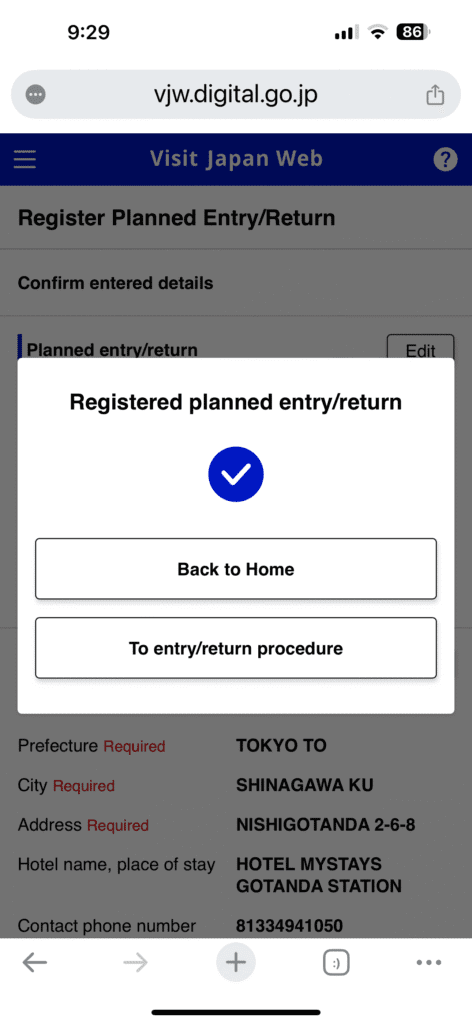
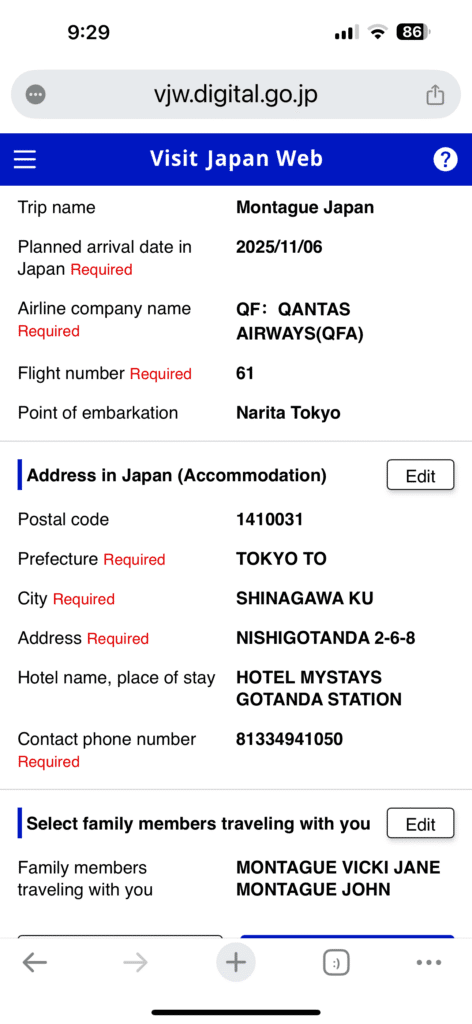
1. Register With Visit Japan Web
This one saves so much time at immigration.
Visit Japan Web (vjw.digital.go.jp) lets you pre-submit all information required for immigration clearance and customs. Once registered, you present the generated 2D code on your smartphone and breeze through the airport instead of filling forms on the spot.
You’ll need the following to complete your registration: Passport / Flight details /Email address
Bonus: Foreign visitors can use the same registration for tax-free shopping during their trip.
2. Japan’s Most Addictive Souvenir: Eki Stamps
Move over keyrings and fridge magnets — Eki stamps are the cutest and most affordable souvenir in Japan.
These stamps aren’t postal stamps — they’re ink stamps found at multiple sites from train stations to even parks. Each design is unique and beautifully themed to its location. Collecting them becomes surprisingly fun and slightly obsessive (think Pokémon for adults).
Where you’ll find them:
– Subway/train stations
– Temples & shrines
– Museums & tourist attractions
– Castles
– Parks & historical sites
– Some stationery stores
Tip: Bring a small blank notebook before you travel. Passport size is ideal for slipping into your pocket. You can buy an official Eki stamp book in Japan, but if you don’t have one on you, you’ll end up stamping random scraps (like I did!). In hindsight, I should have packed one of my spare Moleskine books. They’re called the “Traveler’s Passport Book”. You can buy them on Amazon for about $11 plus shipping.
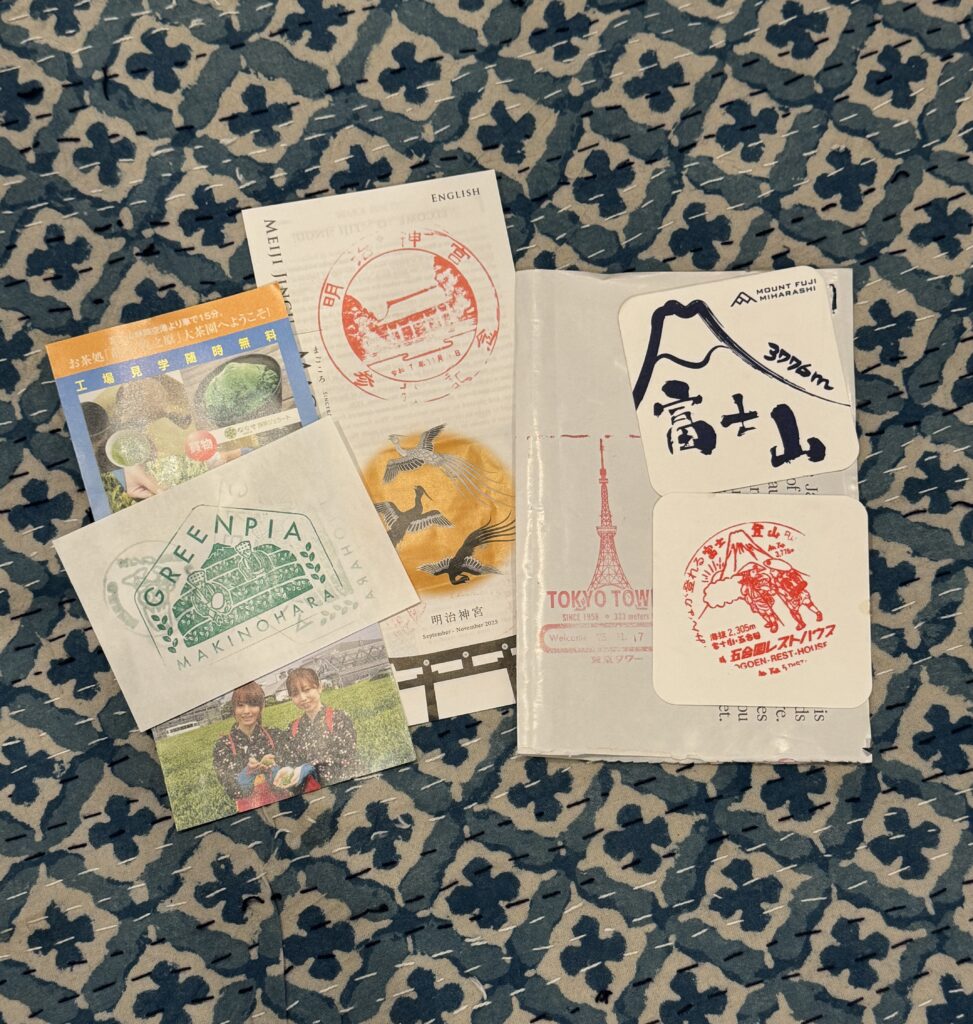
Image above: some of my stamps on random pieces of paper
3. Carry a Plastic Bag
Japan is spotless but rubbish bins are surprisingly rare. If you stop for street food or snacks, you may have to hang onto your rubbish until you find a suitable bin. 7-Eleven, FamilyMart and Lawson convenience stores usually have bins for your empty drink bottles and takeaway food wrapping.
I carried a folded plastic bag (saved from my first shop at Lawson) in my Hedgren travel bag every day; it came in handy constantly.


4. Cash vs Card
Japan is mostly credit card-friendly these days, but not everywhere. We used a Worldwide Wallet card loaded with AUD and it converted instantly to yen with no foreign transaction fees.
More tips:
– Always carry some yen (some attractions are cash only, for example, the sake stall at the Golden Pavilion)
– ATMs in convenience stores are the cheapest and easiest
– Avoid exchanging cash at airports — expensive


5. Wi-Fi & SIMs
We bought one eSIM and planned to share it… mistake. Tourist spots get crowded and it’s very easy to get separated. Both travellers should have access to Wi-Fi/data. We used it often – Google Translate is a life saver.
If you’re with Optus, apparently there’s a $5/day international roaming plan — I’ll be using that next time. I ended up being charged $10/day on the days a text slipped through.
6. Toilets
Japan’s public toilets are fantastic — clean, everywhere and free. Larger convenience stores often have them too. Tip: once you’re in your loo cubicle. read the instructions first or you may be in for a surprise!
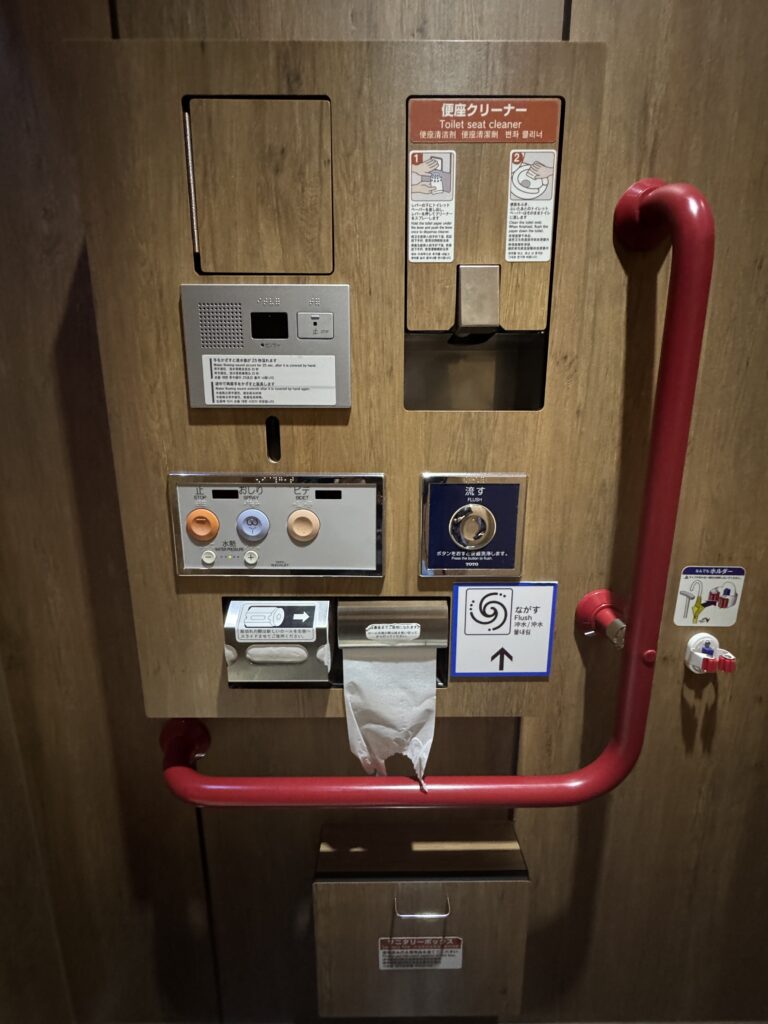
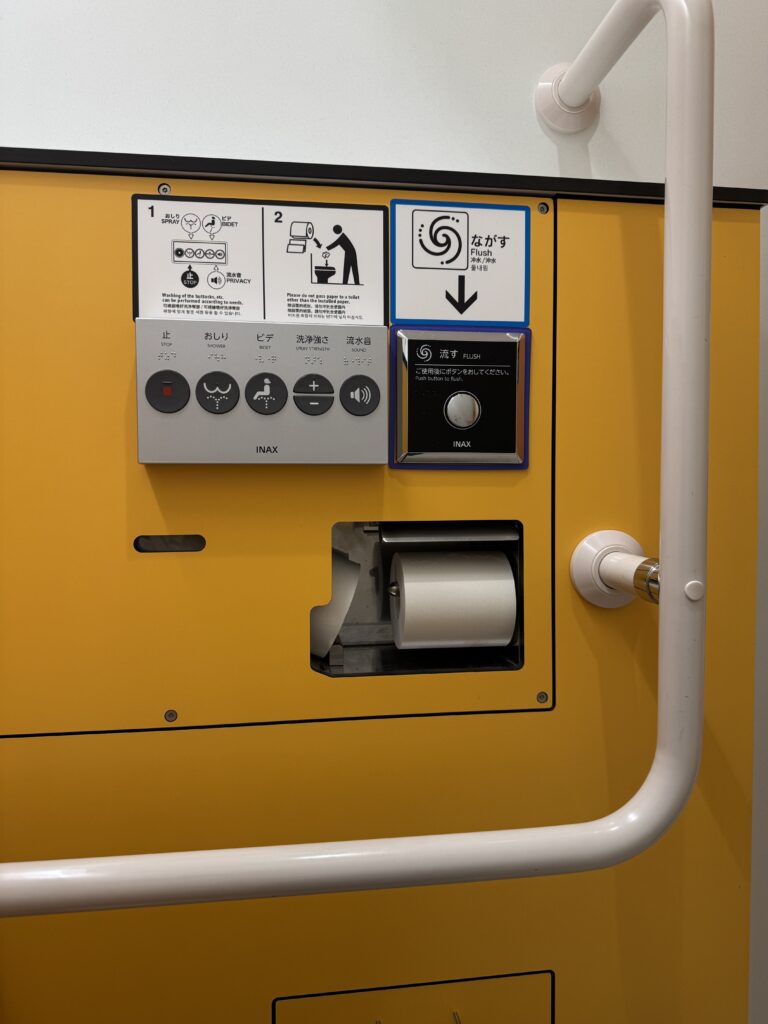

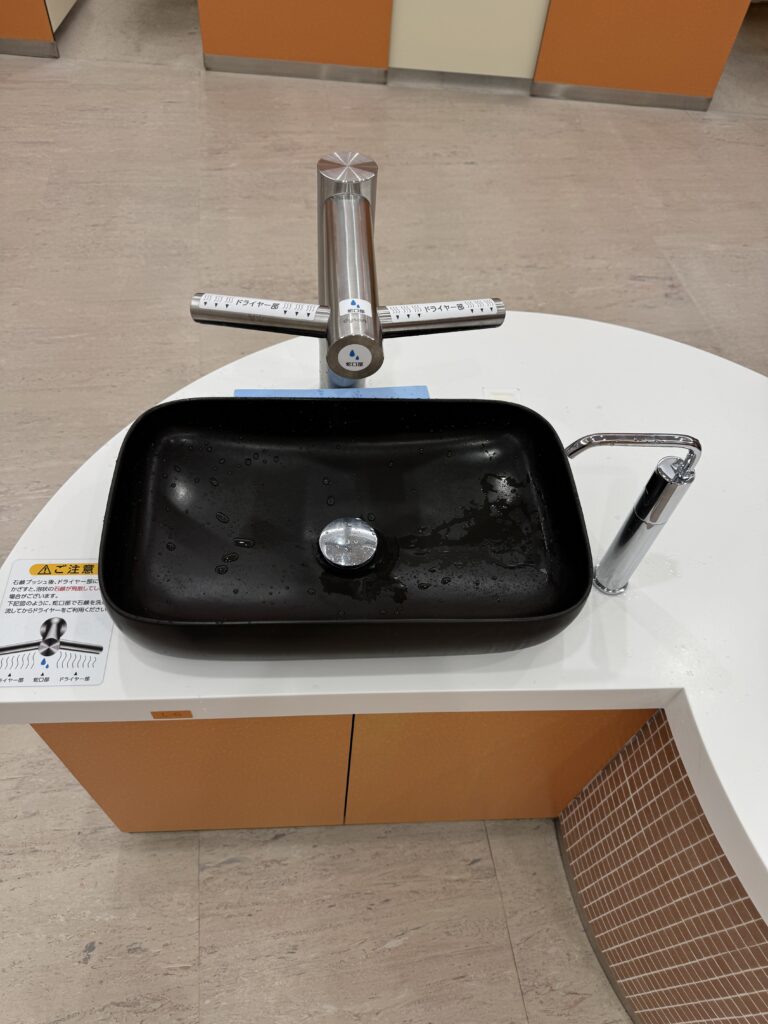

Images above: the public toilets in Japan are extremely clean. The gadgetry is also cool. Even washing your hands can be a memorable experience.
7. Eating in Public
Looking for food and drink? Head to a Konbini. These ubiquitous, convenience stores sell a mind-blowing variety of food and drinks for breakfast, lunch, dinner and every meal in between. But remember one thing after you’ve bought your stash of supplies: ‘don’t walk and eat’. It’s considered rude. If you buy a snack, stand in a designated area or step aside to finish it.
8. Tipping
Tipping isn’t part of Japanese culture and isn’t expected. Although the tour organisers made us aware there was a set gratuity to be paid at the end of our tour for our coach driver and our tour director, we chose to tip additional yen. That was our personal choice — not the norm.
9. Tax-Free Shopping
If you want to shop tax-free in Japan:
• Buy from stores officially listed as Export Sales Shops
• Spend a minimum of 5,000 yen in the same store on the same day
• Items must be for personal use and taken out of Japan
Tip: Look for the “Tax-Free” sign at the entrance.
10. Hop-On Hop-Off Buses
Hop-On Hop-Off tourist buses aren’t as common in Japan as in other countries, but the service does exist and can be handy for orientation. One option: skyhopbus.com.
11. Japan Rail Pass — Worth It?
A JR Pass isn’t automatically the best option. It depends on:
• How long you’re staying
• Your itinerary
• Which trains you’ll use
We bought individual subway tickets in Tokyo using our Worldwide Wallet card and didn’t end up using our Suica prepaid card at all. Do the maths before you buy a rail pass.
12. Vending Machines Are a Whole Culture
You will see vending machines everywhere — streets, stations, hotels, suburban corners. You can even buy alcohol but the vending machines require ID verification or facial recognition technology to prevent underage purchases. Beyond drinks and snacks (hot and cold), you’ll also find:
• Capsule toy (gacha) machines
• Pachinko machines
• Dedicated vending stores
It’s a whole subculture worth exploring.


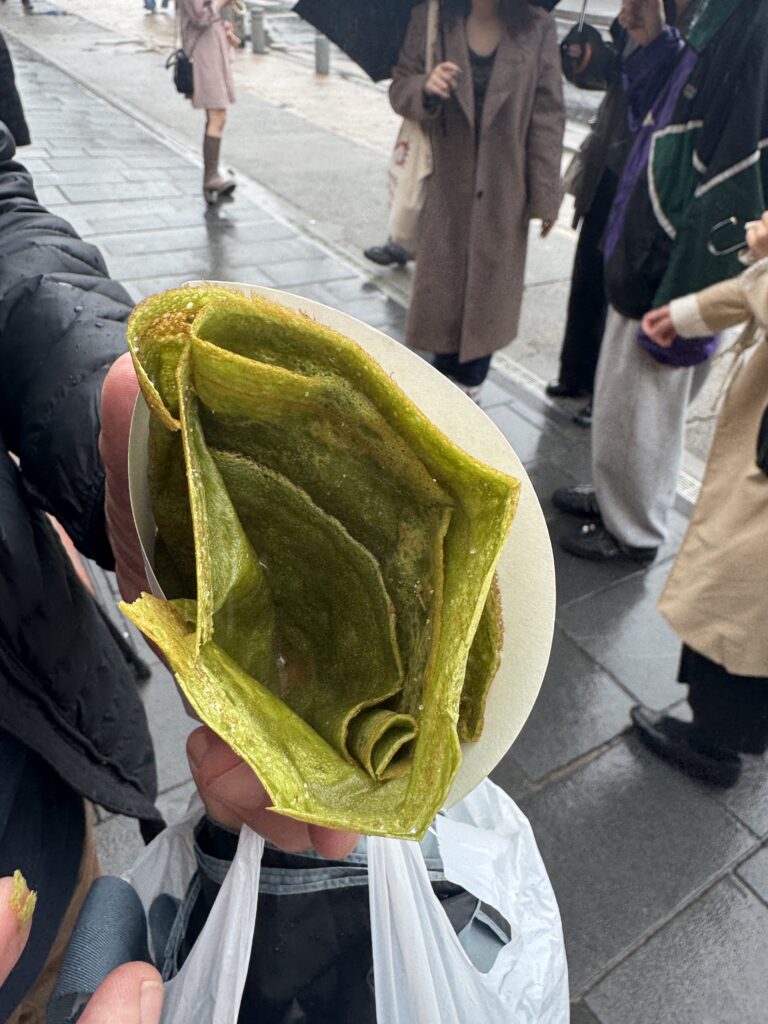
13. Matcha Everything
If you love matcha, prepare to be in heaven — matcha snacks, drinks and sweets are everywhere.
A quick note on flavour:
Matcha shouldn’t be bitter. If it is, it was prepared incorrectly (boiling water burns it), or the powder is poor quality or old. Good matcha tastes:
• smooth
• subtly sweet
• slightly nutty
• rich in umami




14. Tours vs Independent Travel
This depends on your personality and travel style.
Tours are great for:
– stress-free logistics
– easy transport
– language support
Independent travel is better if you:
– like wandering and exploring
– want flexibility
– prefer spontaneous stops
We enjoyed our tour but found it restrictive at times.
Final Thoughts
Japan is one of those rare destinations that feels futuristic and ancient at the same time — orderly yet playful, calm yet buzzing. With a little preparation, your trip can run beautifully smoothly; these little tips may help.
If you’ve recently been to Japan and have extra tips, I’d love to hear them. And if you’re heading there soon — I’m already jealous.

vicki@montyandme.com.au
Vicki Montague is a freelance writer with a predilection for travel, European fashion, architecture that oozes history and charm, and objects that tell a story. She and her partner John are empty nesters - their three adult children have left the comforts of home to carve out their own paths in life. Vicki’s professional background is in marketing and public relations.

Leave a Reply